2026 Sports Car Analysis
In 2026, the affordable sports car market combines classic engineering with modern tech to provide options under $40,000. These vehicles typically emphasize a lightweight platform, rear-wheel or all-wheel drive, and engines delivering between 200 and 350 horsepower. For instance, the Mazda MX-5 Miata continues to lead with its 181-horsepower 2.0L engine and curb weight around 2,350 lbs, offering nimble handling and lively driving dynamics.
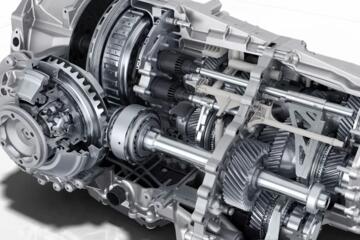
Another option is the Subaru BRZ, redesigned for 2023 and continuing strong into 2026, featuring a 2.4L boxer engine producing 228 hp paired with a responsive six-speed manual or automatic transmission. Both models are well-suited for urban commuting while supporting weekend track or canyon runs.
Problems & Pain Points
Old Perceptions of Sports Cars
Many associate sports cars with impracticality—poor cargo space, harsh ride quality, and high upkeep costs. These outdated views discourage practical buyers from exploring capable sports cars as daily vehicles.
Costly Maintenance and Repairs
High-performance parts, specialized tires, and premium fuel requirements often inflate ownership expenses. For example, some tuning companies report that typical brake pad replacements on sports models cost 30% more than on comparable sedans due to performance-grade materials.
Comfort and Usability Issues
Sports cars traditionally lack rear seats or have cramped cabins, limiting passenger space. City driving challenges, such as lower ground clearance and limited visibility, also affect everyday usability.
Practical Solutions
Choose Lightweight and Efficient Models
Select cars like the Mazda MX-5 Miata whose reduced mass enhances fuel efficiency—EPA ratings often reach 26 MPG city and 35 MPG highway—which cuts daily fuel expenses. Low weight also reduces component wear, lowering maintenance costs.
Prioritize Reliability and Warranty Coverage
Models like the Toyota GR86 and Subaru BRZ benefit from extensive factory warranties (commonly 3 years/36,000 miles, extendable to 5 years), offering peace of mind on repairs. Opting for certified pre-owned units can also mitigate risks.
Invest in Advanced Driver Assistance Features
Newer sports cars often include adaptive cruise control, lane-keeping assist, and parking sensors, which enhance safety and convenience during daily commutes. The 2026 Nissan Z coupe, for example, integrates these systems without compromising its sporty character.
Use Quality Aftermarket Services
To control maintenance costs, owners can rely on specialized service centers such as Rally Sport Direct or Turner Motorsport, which provide expertise and pricing favorable to sports car owners compared to dealership servicing.
Balance Performance and Practical Storage
Some models feature usable trunks or fold-flat rear seats, allowing versatile cargo space. For example, the new Hyundai Veloster N offers an unconventional hatchback layout supporting daily utility without sacrificing power (275 hp turbocharged engine).
Real-World Case Studies
Case Study 1: Mazda MX-5 Miata for Daily Commuter
A marketing firm in Austin, TX, acquired a 2024 MX-5 Miata for a manager’s 40-mile daily commute. They valued reliability and fun driving. After one year, the vehicle logged 15,000 miles with no unplanned repairs. Fuel costs averaged $1,200 annually, 20% lower than the manager’s previous sedan.
Case Study 2: Subaru BRZ in Urban Environment
A freelance software developer in Seattle upgraded from a used compact sedan to the 2026 Subaru BRZ. They cited enhanced driving enjoyment and improved handling in wet conditions thanks to the car’s all-wheel drive system. The urban commute included daily stop-and-go traffic, yet the BRZ maintained a 24 MPG combined fuel economy rating, reducing fuel expenses compared to previous cars.
2026 Model Comparison
| Model | Engine & Power | Performance & MPG | Price & Warranty |
|---|---|---|---|
| Mazda MX-5 | 2.0L I4 (181 HP) | 0-60: 6.4s | 26/35 MPG | $29,000 (3yr/36K) |
| Subaru BRZ | 2.4L Boxer (228 HP) | 0-60: 6.0s | 21/30 MPG | $31,000 (3yr/36K) |
| Nissan Z | 3.0L V6 (400 HP) | 0-60: 4.3s | 19/28 MPG | $39,000 (3yr/36K) |
| Hyundai Veloster N | 2.0L Turbo (275 HP) | 0-60: 5.2s | 22/28 MPG | $33,500 (5yr/60K) |
Common Mistakes to Avoid
Ignoring Ownership Costs
Failing to factor in insurance premiums, frequent tire replacements, and premium fuel requirements can lead to unexpected expenses. Use tools like Edmunds’ True Cost to Own (TCO) calculator to forecast long-term costs.
Overlooking Daily Comfort Features
Prioritize ergonomic seating, infotainment compatibility (Apple CarPlay/Android Auto), and climate control—especially if your commute involves heavy traffic or extreme weather.
Buying Without Test Driving in Real Conditions
Always test a sports car during your typical commute. This reveals comfort levels, visibility, and handling nuances that conventional test drives may miss.
Neglecting Tire and Brake Upgrades
Stock tires may not suit all-weather or daily driving. Invest in high-quality all-season or summer tires aligned with your climate, which improve safety and extend component lifespan.
FAQ
What defines an affordable sports car in 2026?
Generally, an affordable sports car in 2026 costs under $40,000 and balances performance with everyday usability—including features like decent fuel economy and reliability.
Can sports cars be practical for daily commuting?
Yes. Models like the Mazda MX-5 Miata and Subaru BRZ are designed with enough comfort and efficiency to handle daily driving while delivering sporty performance.
What maintenance should I expect with affordable sports cars?
Routine servicing such as oil changes, brake pad replacements, and tire maintenance are typical. Costs may be slightly higher than standard sedans; however, proper care and specialized service centers can help keep expenses reasonable.
Are manual transmissions better for daily sports car use?
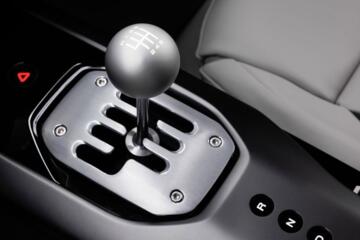
Manuals provide a more engaging drive but may cause fatigue in heavy traffic. Many affordable sports cars offer automatic or dual-clutch options, which are convenient for urban commuting.
How important is warranty coverage for sports cars?
Warranty coverage reduces repair costs and increases peace of mind, especially important as high-performance vehicles might have pricier parts and servicing.
Author's Insight
From my experience working with sports car enthusiasts, the sweet spot for daily use is a balanced power-to-weight ratio combined with proven reliability. Models like the Mazda MX-5 Miata and Subaru BRZ not only bring joy but also sensible operating costs. Avoiding over-specialized upgrades until you fully understand your usage pattern is key to maintaining affordability. Lastly, always prioritize comfort features and warranty coverage to ensure your sports car performs well both on daily drives and spirited weekends.
Summary
Affordable sports cars in 2026 offer a compelling blend of driving excitement and daily practicality. By selecting lightweight, reliable vehicles equipped with modern safety and comfort features, drivers can enjoy spirited performance without high maintenance or operational costs. Key actionable advice: focus on models like the Mazda MX-5 Miata or Subaru BRZ, verify warranty and service support, and carefully evaluate total ownership expenses to ensure your sports car fits seamlessly into your daily routine.