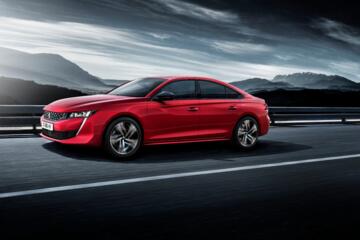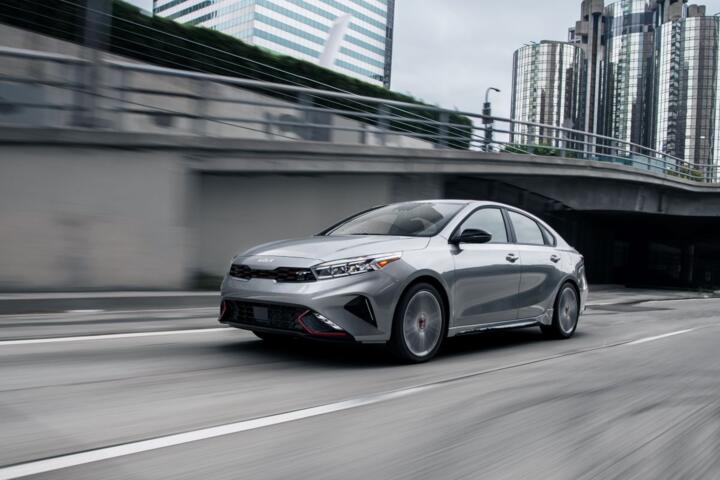
Compact vs Midsize Basics
A compact sedan usually targets shorter overall length and lower curb weight than a midsize sedan. That design choice affects cabin space, trunk capacity, and how the suspension manages potholes and expansion joints. In the U.S., EPA fuel-economy testing cycles are standardized, but real-world results shift with speed, tire choice, and engine load.
Compact sedans commonly use engines around 2.0–2.5 liters, while midsize sedans often step up to 2.5–3.6 liters. Horsepower ranges overlap, yet midsize models frequently carry more mass, which changes acceleration feel and highway fuel use. The EPA also reports that highway driving typically cuts mpg versus combined figures, often by 10–25% depending on the vehicle.
Rear-seat space is the first giveaway. Trunk volume is the second.
For example, a compact like the Honda Civic and a midsize like the Toyota Camry are both four-door sedans, but their packaging differs. Civic’s wheelbase is about 106.3 inches, while Camry’s is about 112.9 inches. That extra 6.6 inches shows up in legroom and how easily a rear passenger can slide out after a long commute.
Vehicle type matters more than many buyers realize because it changes daily friction: door-to-seat reach, child-seat installation angles, and how often you have to fold down the rear bench for groceries. Those frictions rarely appear in a spec sheet.
Where Shoppers Get it Wrong
Many shoppers compare only sticker price or horsepower and miss the packaging math. A midsize sedan can cost more, yet the monthly difference may shrink if it reduces tire wear or improves highway efficiency. The opposite also happens: a larger engine can raise fuel costs even when the mpg rating looks close.
Another common mistake is assuming “bigger” means “better” on every road. A longer wheelbase can smooth straight-line travel, but it can also make tight parking and driveway navigation harder. Turning radius and front overhang matter more than buyers expect.
Skip the test fit. It saves returns.
Real-world consequences show up in three places: rear-seat comfort, trunk usability, and maintenance frequency. If you routinely carry four adults, a compact’s rear legroom can feel tight after 45–60 minutes. If you haul sports gear, trunk opening height and width can matter more than total liters.
Financially, tires and brakes scale with vehicle weight and wheel size. A midsize sedan on 18-inch tires may replace tires sooner than a compact on 16-inch tires, depending on alignment and driving style. Depreciation also tends to differ by segment, with midsize models often holding value better in some model years, though it varies by brand and trim.
How to Choose, with Specifics
Measure legroom and access
Do this: sit in the rear seat with the front seat set to your normal driving position. Then try a child seat or a rear passenger getting in and out twice. This works because legroom is not just inches; it’s also seatback angle and door opening height.
In practice, a midsize sedan’s extra wheelbase often translates to more knee room and easier entry. For example, Camry’s wheelbase around 112.9 inches typically gives more rear legroom than Civic’s roughly 106.3 inches. If you see your knees pressed against the back of the front seat, the compact will feel worse on long trips.
Bring a tape measure. It helps.
Check trunk volume and opening
Do this: load the trunk with the items you actually carry, not a brochure bag. Measure whether a stroller fits with the wheels on, and whether the trunk lip forces you to lift too high. This works because trunk usability depends on opening geometry and cargo height, not only published liters.
In practice, compact sedans often have smaller trunk openings and less depth. Midsize sedans usually offer more usable space for duffels and groceries, and the rear seat fold mechanism can differ. If you frequently move boxes, look for a flatter cargo floor and a wider opening.
Test the trunk with one hand. It’s awkward.
Compare engine size and mpg
Do this: compare EPA combined mpg and highway mpg for the exact trims you’re considering. Then estimate your real usage: if your commute is 70–80 mph, highway mpg matters more than combined. This works because larger engines and higher curb weight often raise fuel burn under sustained load.
For example, many compact sedans use 2.0–2.5L engines and often land in the mid-20s to low-30s mpg combined depending on drivetrain. Midsize sedans with 2.5–3.6L engines frequently land lower combined, though hybrids can change the equation. If you drive 12,000 miles per year and the difference is 5 mpg, fuel cost can swing by roughly $300–$500 annually at $3.50–$4.00 per gallon, depending on your local prices.
Use your zip code for gas. Prices vary.
Evaluate suspension behavior on rough roads
Do this: drive over a known patchy route with expansion joints and potholes. Listen for rear-seat rattle and watch how the suspension rebounds after a dip. This works because compact and midsize sedans tune differently for impact absorption and steering feel.
In practice, a midsize sedan often feels calmer over broken pavement due to longer wheelbase and different spring/damper tuning. A compact can feel busy on the same road, especially with larger wheels. If you’re sensitive to cabin noise, pay attention to tire tread pattern and road roar at 60–75 mph.
Bring a phone and record. Noise tells.
Plan maintenance and tire costs
Do this: check recommended service intervals for oil, brakes, and transmission fluid where applicable. Then compare tire sizes and typical replacement costs for the trims you want. This works because segment differences often show up in consumables, not just purchase price.
In practice, midsize sedans may come with 18–19 inch wheels, which can cost more per tire and can wear faster if alignment is off. Compact sedans sometimes use 16–17 inch tires with lower replacement costs. If you drive 15,000 miles per year, a tire life difference of 10,000 miles changes your annualized tire spend materially.
Ask for tire quotes. Dealers vary.
Check child-seat compatibility and LATCH
Do this: install your actual child seat in both cars, using the same seating position and tether strap. This works because seat geometry and anchor placement differ even when both cars claim LATCH compatibility. A rear seat that looks roomy on paper can still fight the installation angle.
In practice, compact sedans can have tighter rear-seat cushions and less space for the front passenger to slide back. Midsize sedans often give more room for the front seat to remain usable while the child seat sits behind it. If you use a rear-facing seat, check whether the front seatback hits the child seat shell.
Bring the manual too. It matters.
Compare depreciation and insurance quotes
Do this: request insurance quotes for the exact VINs or at least the exact trim levels. Then compare expected depreciation using recent listings and trade-in data from your local market. This works because insurance and resale value depend on model year, trim, and repair costs.
In practice, midsize sedans can cost more to insure if repair panels and headlights are pricier. Compact sedans can sometimes insure cheaper, but collision rates and theft rates by model year can flip the outcome. For resale, midsize sedans often attract buyers who want highway comfort and family space, yet some compact models hold value extremely well.
Get quotes before you decide. It prevents surprises.
Mini Case: Fleet Sedan Swap
A small service company ran 12 compact sedans for 3 years, then replaced them with 10 midsize sedans for a mix of city and 65 mph highway routes. The problem was driver complaints about rear-seat comfort on job-site days and trunk loading time for tools.
They did three changes: standardized tire brands across all cars, required a 10-minute pre-trip inspection for tire pressure, and switched to midsize sedans with larger trunk openings. The result after 18 months: average fuel economy dropped by about 2–3 mpg on highway-heavy routes, but rear-seat complaints fell, and loading times improved by roughly 1–2 minutes per stop.
Costs shifted. Fuel rose, tires lasted.
They tracked maintenance invoices and found brake jobs were slightly more frequent on the midsize cars, tied to heavier curb weight and more aggressive driving. Still, the company reported fewer “missed appointments” due to faster loading, which mattered more than the extra $40–$70 per month in fuel and maintenance combined.
Mini Case: Family Road-Trip Fit
A family with two kids compared a compact sedan and a midsize sedan for weekend trips. The issue wasn’t acceleration; it was whether the rear-facing child seat could fit behind the driver without forcing the front seat forward.
They installed the same rear-facing seat in both cars and tested a 90-minute drive. The compact sedan required moving the front seat forward by about 2–3 inches, which made the driver uncomfortable and increased fatigue. The midsize sedan kept the driver’s knee room more consistent, and the family also used the trunk more effectively for a stroller and cooler.
They paid more. They drove longer.
After 1 year, the midsize sedan’s higher insurance premium was about $120 per year, and tire replacement happened about 8,000 miles later than expected due to careful alignment. The family concluded the segment choice reduced stress during trips, even though fuel costs were higher by roughly $250–$400 per year depending on gas prices.
Compact vs midsize checklist
| What to check | Compact sedan | Midsize sedan | Your action |
|---|---|---|---|
| Rear legroom | Often tighter for 2 adults | More knee room for long trips | Set front seat to your height, then sit behind it |
| Trunk usability | Smaller opening and depth | More usable cargo space | Load a stroller or tool bag during the test drive |
| Highway mpg | Often higher | Often lower unless hybrid | Compare EPA highway mpg for your trims |
| Tire and brake costs | Lower tire sizes sometimes | Higher wheel/tire costs possible | Quote tire replacement for the exact wheel size |
| Child-seat fit | Front seat may need moving | More room behind driver | Install your seat and check tether reach |
Use this checklist like a scoring sheet. Then decide based on your top two constraints.
Common Mistakes and Fixes
Buying on horsepower alone causes the wrong expectation. It happens because many trims share similar output numbers, yet curb weight and gearing change real acceleration and highway rpm. The impact is higher fuel use and a car that feels strained on merges. Avoid it by comparing EPA highway mpg and the transmission type, then test a 40–60 mph merge.
Skip the tire-size comparison. It’s a hidden cost.
Ignoring wheel and tire size leads to surprise ownership expenses. It happens because buyers focus on monthly payment, not replacement cost per tire. The impact is a higher annualized cost if the midsize uses 18–19 inch wheels. Avoid it by asking for tire quotes and checking whether the car uses staggered sizes, which can complicate rotation.
Assuming rear seats are “the same” causes fit problems. It happens because published legroom numbers don’t capture seatback shape and anchor placement. The impact is child-seat installation that feels unsafe or forces the front seat forward. Avoid it by installing the actual seat and verifying tether strap routing and LATCH anchor reach.
Overlooking depreciation patterns can waste money. It happens when buyers chase the newest trim without checking model-year resale trends. The impact is a bigger gap between purchase price and trade-in value. Avoid it by checking local listings for 2–3 year-old examples with similar mileage, then comparing average selling prices to what you’d pay today.
FAQ
How much smaller is a compact sedan?
Compact sedans are shorter and lighter than midsize sedans, but the difference varies by model year. Wheelbase is a useful proxy: many compacts sit around the mid-100-inch range, while midsize cars often run closer to 110–113 inches. That extra length usually translates to more rear legroom and sometimes a larger trunk. The practical size difference shows up in parking and in how far the rear passenger can stretch their legs without bumping the front seat.
Do midsize sedans always get worse mpg?
Not always. Many midsize sedans use larger engines and weigh more, which often reduces fuel economy on highway driving. Still, some midsize models use hybrid powertrains that can narrow the gap or even outperform comparable compacts in certain cycles. The safest approach is comparing EPA combined and highway mpg for the exact trims you’re considering. Then estimate your own driving mix, because city stop-and-go and steady highway cruising affect mpg differently.
Which segment is better for child seats?
Fit depends on the specific sedan and the child seat model. Midsize sedans often give more rear-seat room behind the driver, which can reduce the need to move the front seat forward. Compact sedans can still work well, but the rear seat cushion shape, anchor placement, and tether strap routing can make installation harder. The best method is to install your actual seat in both cars during a test drive. Check that the front passenger can still sit comfortably and that the seat locks without excessive movement.
What costs differ most after purchase?
Tire and brake costs often differ more than buyers expect. Midsize sedans frequently come with larger wheels, which can raise tire replacement cost and sometimes reduce tire life. Insurance premiums can also differ by model year and trim, driven by repair costs and claim frequency. Depreciation trends vary by brand and market, so the only reliable comparison is to check local listings and recent trade-in offers for the same mileage band.
Should I choose compact or midsize for commuting?
Choose based on your commute pattern and passenger needs. If your route is mostly highway at 65–80 mph and you drive alone, a compact sedan’s lower weight can help mpg. If you carry passengers often or need rear-seat comfort for longer trips, a midsize sedan’s extra space can reduce fatigue. Test the exact trims at your typical speeds and pay attention to cabin noise at 60–75 mph. If you frequently park in tight garages, also check turning radius and front overhang.
Author's Insight
Compact and midsize sedans differ less in “technology” and more in packaging: wheelbase, curb weight, and cargo geometry. Those factors show up in rear-seat access, trunk usability, and how fuel economy changes once the engine works harder. When shoppers compare only horsepower, they miss how gearing and mass affect highway rpm and real mpg.
I’d treat the decision like a fit problem. Install the child seat, load the trunk with your real items, and compare EPA highway mpg for the trims you’d actually buy. Then get insurance quotes before you commit; repair costs and claim history drive premiums more than segment size alone.
Key Takeaways
Pick compact if your priority is lower fuel burn, easier parking, and lower consumable costs, and if rear-seat needs stay occasional. Pick midsize if you carry passengers often, need more trunk depth and opening space, or want less cabin strain on longer drives.
Next step: shortlist two trims per segment, then compare EPA highway mpg, wheel/tire sizes, and insurance quotes. Do a test fit for rear passengers or child seats, and load the trunk with the items you move most. If you’re unsure about child-seat installation safety, use a certified child passenger safety technician inspection; installation errors are common even when the car “fits” on paper.
Limits: segment labels don’t predict every outcome. A midsize hybrid can behave like a compact on fuel, while a compact with a larger turbo engine can behave like a heavier car in real traffic.