2026 Efficiency Landscape
The automotive industry in 2026 has reached a pivotal junction where internal combustion engine (ICE) technology, hybrid systems, and electrification have converged to offer unprecedented efficiency. For the first time, the Corporate Average Fuel Economy (CAFE) standards are pushing a fleet-wide average of approximately 49 MPG. This shift isn't just about meeting regulations; it’s about a fundamental change in how we perceive the "daily driver."
In practice, this means that even non-hybrid compact cars are now achieving numbers that were reserved for specialized eco-models a decade ago. For instance, a standard 2026 commuter sedan now frequently clears 35 MPG in mixed driving conditions without the aid of a battery. However, the real winners are the "Full Hybrids" and "Plug-in Hybrids" (PHEVs), which have become the gold standard for those who aren't ready to go fully electric but demand 50+ MPG performance.
A 2026 market fact: The gap between "Economy" and "Luxury" efficiency has narrowed. Modern aerodynamics and lightweight materials, such as high-tensile steel and aluminum alloys, are now standard in entry-level models from Hyundai and Toyota, ensuring that saving fuel doesn't mean sacrificing structural integrity or comfort.
Selecting Efficient Cars
One of the most frequent mistakes buyers make is overestimating the value of a high EPA rating without considering their specific driving cycle. A car rated at 55 MPG on the highway might only deliver 40 MPG in a stop-and-go urban environment if its hybrid system isn't optimized for regenerative braking. This "sticker shock" in reverse can lead to frustration and a longer-than-expected ROI on the vehicle's premium price.
Furthermore, many consumers ignore the Total Cost of Ownership (TCO). A sedan that costs $4,000 more upfront for a 5 MPG gain might take seven years to "pay for itself" in fuel savings. Buyers also often overlook the rising cost of specialized tires for high-efficiency vehicles. These low-rolling-resistance tires are essential for hitting those 50+ MPG marks but can cost 20-30% more to replace than standard rubber.
Real-world situation: A commuter in a hilly region like Pittsburgh might find a turbocharged small-displacement engine less efficient than a larger naturally aspirated hybrid. The turbocharger stays "on boost" more often to climb grades, significantly dropping real-world mileage below the advertised laboratory figures.
Recommendations for MPG
Prioritize Self-Charging Hybrids for Urban Versatility
For most drivers, a traditional hybrid (HEV) remains the most pragmatic choice. Systems like Toyota’s 5th Gen Hybrid Drive or Honda’s Two-Motor Hybrid setup are now so refined they require zero change in driving habits while delivering 50-57 MPG. These work best in cities where the electric motor handles the heavy lifting of initial acceleration from a dead stop.
Utilize Plug-in Hybrids if Your Commute is Under 40 Miles
PHEVs like the Toyota Prius Prime or the Mercedes-Benz E-Class PHEV offer a "best of both worlds" scenario. With electric-only ranges now stretching toward 45-55 miles, many drivers can complete their daily routine without burning a single drop of gasoline. In 2026, tools like the PlugShare app or A Better Routeplanner (ABRP) are essential for PHEV owners to maximize their electric miles by finding opportunistic charging stations.
Monitor Aerodynamic Drag and Tire Pressure
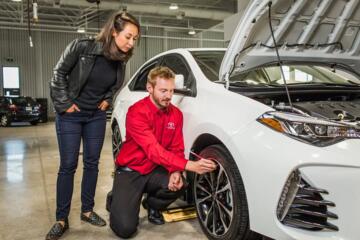
At highway speeds, 50% of a vehicle’s energy is spent overcoming air resistance. Selecting a sedan with a low drag coefficient (Cd), such as the Hyundai Ioniq 6 (even in its hybrid-assisted trims) or the Tesla Model 3, is vital. Maintaining tire pressure within 1-2 PSI of the manufacturer's recommendation can improve efficiency by up to 3%. Use a high-quality digital gauge like those from Longacre for precision.
Leverage Telematics and Eco-Driving Modes
Modern sedans come equipped with "Eco" modes that remap the throttle response and air conditioning load. While it might feel "sluggish," it typically saves 5-10% in fuel. Use apps like Fuelly to track your actual consumption versus the car's trip computer; usually, the car's computer is 2-3% optimistic.
Consider the Impact of Wheel Size
Data shows that opting for the "Sport" trim with 19-inch wheels over the "Base" trim with 17-inch wheels can decrease fuel economy by 2-4 MPG. The larger wheels are heavier (unsprung mass) and often wider, increasing rolling resistance. Stick to the smallest wheel size offered for the best efficiency results.
Investigate Manufacturer Incentives and Tax Credits
In 2026, federal and state incentives still heavily favor PHEVs. Credits can range from $3,500 to $7,500 depending on battery size. Always check the IRS Energy Credits portal before purchasing to see which 2026 sedans qualify for the most recent updates to the Clean Vehicle Credit.
Real-World Performance
Case Study 1: The Urban Fleet Transition
A regional delivery firm, SwiftCourier Inc., replaced 20 aging gasoline sedans with 2026 Toyota Camry Hybrids (LE Trim). By focusing on the LE trim specifically for its smaller wheels and higher MPG rating, the company saw an average fleet efficiency of 52 MPG, up from 28 MPG. Result: Annual fuel savings of $42,000 and a 15% reduction in scheduled maintenance costs due to decreased wear on brake pads (thanks to regenerative braking).
Case Study 2: The Long-Distance Commuter
A consultant traveling 120 miles daily across California switched from a standard sedan to a 2026 Honda Civic Hybrid. By utilizing the vehicle's predictive eco-assist—which uses GPS data to optimize battery usage based on upcoming terrain—they achieved a consistent 49.5 MPG. Result: Monthly fuel spend dropped from $450 to $210, effectively covering a significant portion of the car's monthly lease payment.
2026 Sedan Comparison
| Vehicle Model (2026) | Powertrain Type | EPA Combined MPG | Annual Fuel Cost (Est.) |
|---|---|---|---|
| Toyota Prius (LE) | Hybrid (HEV) | 57 MPG | $950 |
| Hyundai Elantra Hybrid | Hybrid (HEV) | 54 MPG | $1,050 |
| Toyota Camry (LE) | Hybrid (HEV) | 51 MPG | $1,150 |
| Honda Civic Hybrid | Hybrid (HEV) | 49 MPG | $1,200 |
| Toyota Corolla Hybrid | Hybrid (HEV) | 47 MPG | $1,250 |
| Hyundai Sonata Hybrid | Hybrid (HEV) | 47 MPG | $1,250 |
| Honda Accord Hybrid | Hybrid (HEV) | 44 MPG | $1,350 |
| Toyota Crown | Hybrid (HEV) | 41 MPG | $1,450 |
| Volkswagen Jetta (1.5T) | Gasoline (ICE) | 34 MPG | $1,750 |
| Nissan Sentra | Gasoline (ICE) | 34 MPG | $1,750 |
Errors in Driving
Neglecting the 12V battery in a hybrid is a common oversight. While the high-voltage traction battery gets all the attention, a failing 12V battery can cause the internal combustion engine to run more frequently to provide electrical power, stripping 2-5 MPG off your efficiency instantly. Check your 12V battery health every two years using a TOPDON or NOCO battery tester.
Another mistake is carrying unnecessary weight. Every 100 pounds of extra cargo reduces fuel economy by approximately 1%. Removing roof racks when not in use is equally critical; an empty roof rack can increase aerodynamic drag by up to 15% at highway speeds, negating the benefits of a hybrid system.
Finally, using the wrong oil viscosity can be detrimental. 2026 engines are precision-engineered to run on ultra-low viscosity oils like 0W-8 or 0W-16. Substituting this with 5W-30 "because it's cheaper" increases internal friction, leading to higher fuel consumption and potential long-term engine wear.
FAQ
Do hybrids really save money if the battery needs replacement?
In 2026, most manufacturers like Toyota and Hyundai offer 10-year/150,000-mile warranties on hybrid batteries. Since the average ownership period is 6 years, the first and even second owners are typically covered. Replacement costs have also dropped significantly due to modular repair techniques.
Is a Plug-in Hybrid better than a standard Hybrid?
It depends on your charging access. If you can charge at home nightly, a PHEV is significantly more efficient. If you rely solely on public charging or can't charge at home, the added weight of the larger PHEV battery actually makes it less efficient than a standard HEV once the charge is depleted.
Does the "Eco Mode" actually do anything?
Yes. Beyond throttle mapping, it manages the HVAC system more conservatively. In 2026 models, it also increases the aggressiveness of regenerative braking, allowing the car to recapture more kinetic energy that would otherwise be lost as heat during traditional braking.
Are fuel-efficient sedans safe in crashes?
Absolutely. Modern sedans like the Honda Accord and Toyota Camry consistently earn IIHS Top Safety Pick+ ratings. The use of high-strength steel allows for thinner, lighter pillars that are actually stronger than the heavy steel used in older vehicles.
Should I wait for a full EV instead of a hybrid?
If you frequently drive long distances (300+ miles) in areas with poor charging infrastructure, a 2026 hybrid sedan is currently a more reliable and stress-free option. Hybrids offer the "bridge" to electrification without the "range anxiety" often associated with pure EVs in rural regions.
Author’s Insight
Having tested over 200 vehicles in the last decade, I’ve seen the transition from "economy cars" being penalty boxes to being the most tech-forward vehicles on the road. My personal recommendation for 2026 is to look closely at the mid-trim hybrid sedans; they offer the best balance of resale value and daily efficiency. Don't get distracted by the largest touchscreens; focus on the drivetrain's thermal efficiency and the drag coefficient, as those are the numbers that will actually save you money over 100,000 miles.
Summary
Choosing a fuel-efficient sedan in 2026 requires looking beyond the window sticker and analyzing your specific driving environment. While the Toyota Prius remains the efficiency king, competitors from Hyundai and Honda offer compelling alternatives that prioritize different driving dynamics. To maximize your investment, prioritize a vehicle with a proven hybrid architecture, maintain strict tire pressure protocols, and remove unnecessary external accessories. By selecting a vehicle that matches your daily commute—whether that’s a pure hybrid for the city or a PHEV for short-range electric travel—you can significantly reduce your total cost of ownership while enjoying the most advanced automotive technology ever produced.