How Power Feels on the Road
Horsepower and torque often appear as dry specs on car brochures, but they translate into very different physical sensations behind the wheel. Torque is the twisting force that moves the wheels—what you feel pressing you into the seat during a quick launch or a heavy tow. Horsepower equals torque applied over time, hinting at how fast a car can maintain or gain speed at higher revs. For instance, a Ford F-150 with 400 lb-ft of torque hauls trailers with ease, while a Porsche 911's 380 horsepower lets it sprint past highway traffic effortlessly.
The 0-60 mph dash shows how torque spikes push you forward instantly. Muscle cars like the 2023 Dodge Challenger’s 485 lb-ft torque make this feel brutal. But the power delivery at 5,000 rpm where horsepower dominates sustained speed gives a different punch, as seen in a Nissan GT-R’s 565 hp that keeps charging beyond 100 mph without strain.
The feel is more than numbers; it’s the nature of engine torque curves and gear ratios working together. Torque arrives early or late, making some cars feel tugging while others pull smoothly. Horsepower curves create surges or steady acceleration based on designs and tuning.
Common Misunderstandings
Many confuse horsepower and torque as interchangeable or assume higher horsepower means more power all-around. This often results in odd choices like buying a high-horsepower car with low torque for city driving that feels sluggish off the line. Torque without sustained horsepower causes rapid initial acceleration but early drop-off. Conversely, high horsepower and low torque result in cars that sound fast but hesitate to launch quickly.
Confusing peak torque numbers with average or usable torque can mislead buyers. Torque at a single engine speed (RPM) doesn't reveal how responsive an engine feels across the whole rev range. Torque peaks matter, but so does where they fall—low-end torque feels different from top-end torque.
Drivers frequently misjudge torque and horsepower, expecting a drag race burst from every engine sound or believing horsepower is the sole determinant of towing ability. Neither is fully accurate; torque governs initial pull and hauling, but horsepower sustains motion efficiently at higher speeds.
Grasping Torque and Power
Feel Acceleration Shifts
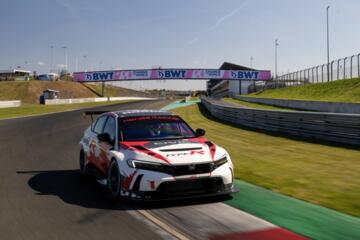
Drive vehicles with different torque curves to physically sense the contrast. High torque engines like the Cummins 6.7L diesel in Ram trucks provide instant off-the-line grunt and towing strength. Compare that to a Honda Civic Type R, which builds power progressively with horsepower after the 3,000 rpm mark. Shifting gears changes the torque delivered at wheels dramatically, a trick muscle cars use to maximize punch.
Watch RPM and Gear Effects
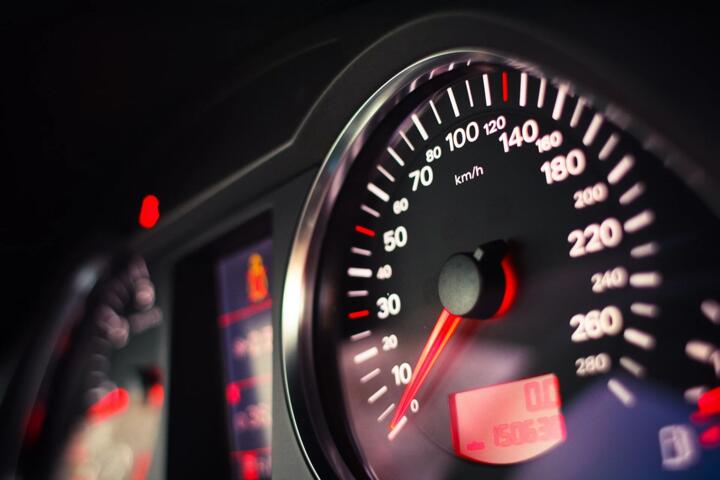
Monitoring tachometer readings during acceleration highlights torque and horsepower roles. Low RPM strong pull signals torque dominance; high RPM quickening demonstrates horsepower influence. Racing driving simulators with telemetry reveal these curves in real time, a method I prefer since 2019 when sim racing became my exploratory tool.
Use Dyno Testing
Rolling-road dynamometers provide real horsepower and torque charts across RPM ranges instead of single numbers. Tools like DynoJet 248C deliver accurate outputs, letting tuners optimize engines for desired response—whether maximum low-end grunt or peak high-end power. Seeing the wavy curves changed how I evaluate engine specs on paper versus seat-of-pants experience.
Test Towing and Load Conditions
Towing heavy trailers or carrying loads reveals torque’s utility best. Torque-rich diesels versus horsepower-focused sportscars behave drastically different under stress. Cars with lower torque (sub-200 lb-ft) struggle moving tons uphill, whereas a 2017 Chevrolet Silverado with 460 lb-ft between 1500 and 3000 rpm pulls effortlessly. Test drives with loads expose this difference in direct, unmistakable terms.
Analyze Gear Ratios
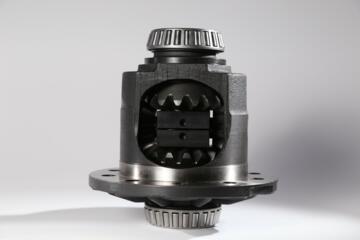
Wheel torque equals engine torque times gear ratio. Lower gears multiply torque, making a 3.73 final drive ratio deliver more force to wheels than a 2.93 gear, affecting acceleration feel strongly. This is why sometimes smaller engines with aggressive gearing feel faster than larger engines with tall gearing, a nuance many overlook.
Observe Fuel Efficiency Patterns
Higher horsepower generally consumes more fuel at sustained speed, while higher torque engines often enable better economy in stop-and-go or towing scenarios. Ford’s EcoBoost 3.5L V6 balances torque and horsepower out neatly, favoring fuel economy without sacrificing driveability, evidenced by EPA ratings around 20 mpg city towing 7,500 pounds.
Compare Turbocharged vs. Naturally Aspirated
Turbo engines often present torque boosts at lower RPMs, changing the feel dramatically. For example, the 2.0L turbo in the Volkswagen Golf GTI delivers 258 lb-ft at 1,500 rpm, creating a punchy feeling rarely matched by naturally aspirated four-cylinders in its class. The sudden boost—often called turbo lag and surge—affect driver perception in a way that purely mechanical engines do not replicate easily.
Experience Electric Torque
Electric motors deliver peak torque instantly and across a broad RPM band. A Tesla Model 3's 310 lb-ft feels like a relentless shove any time you press the pedal. This immediate torque contrasts with traditional internal combustion engines, showing how torque delivery affects the driving experience beyond raw numbers.
Seek Professional Training
Driving schools focusing on performance driving teach how torque and horsepower shift outcomes on track and road. Participation in events like BMW’s Performance Driving School or Porsche Experience Center immersions enhance understanding through controlled repeated exposure to engine behavior under different demands.
Real-World Examples
The 2018 Ford F-150 equipped with the 3.5L EcoBoost engine delivers 375 hp and 470 lb-ft torque. Fleet operators noted that despite horsepower ratings similar to older V8s, the torque curve starting at 2,500 rpm improved fuel economy 12% and towing control significantly in mountainous routes.
Conversely, the Subaru WRX STI produces 310 hp but only 290 lb-ft torque. Enthusiasts report razor-sharp acceleration feeling that favors sporty responses rather than outright pull, making it a favorite on twisty roads but not optimal for heavy towing or cruising at highway speeds compared to larger torque vehicles.
Torque vs Power Checklist
| Aspect | Torque (Force) | Horsepower (Speed) |
|---|---|---|
| Measurement | Measured in lb-ft | Measured in hp |
| Peak RPM | Low to mid RPM range | Mid to high RPM range |
| Sensation | Initial pulling power | Continuous speed gain |
| Best For | Heavy towing, off-road | Track racing, highway cruising |
| Gear Effect | Multiplies physical pull | Maintains sustained speeds |
Common Errors And Fixes
Mistake: Buying a car with horsepower focus expecting quick starts. Fix: Test low-RPM pull; check torque ratings for real acceleration feel.
Mistake: Ignoring gear ratios. Fix: Learn how ratios multiply torque and influence vehicle behavior.
Mistake: Overvaluing peak numbers alone without curve context. Fix: Review dyno charts for torque and horsepower across the RPM band.
Mistake: Confusing sound or engine note as power. Fix: Focus on throttle response and acceleration metrics.
Mistake: Neglecting engine type differences like turbo vs NA or electric torque delivery. Fix: Compare driving experiences, not just specs.
FAQ
What test shows torque feeling best?
Acceleration from a stop, especially under load, reveals torque most clearly.
Does horsepower matter off the line?
Less than torque; horsepower affects sustained speed more than initial surge.
Can low torque engines feel fast?
Yes, if paired with high horsepower and gearing that keeps revs up.
How does torque affect fuel economy?
Higher torque at low RPM often improves efficiency during heavy load or stop/start driving.
Is instant torque only electric cars?
Electric motors have instantaneous torque delivery, unlike IC engines which build with RPM.
Author's Insight
From years behind the wheel and on dynamometers, I learned that torque creates the visceral feeling of acceleration, while horsepower sustains the thrill at speed. The numbers alone often confused me until I experienced them in cars like the Dodge Ram Cummins or Tesla Model 3. Knowing how engines deliver power changes driving preferences and expectations. Testing multiple drive modes and loads cuts through the hype.
Summary
Torque and horsepower drive different parts of the performance equation: torque gives you the shove, horsepower keeps momentum. Understanding their roles helps pick vehicles suited for intended use, optimizing performance and satisfaction. Focus on how power feels in real conditions, not just specs. Measure, experience, and relate numbers to what you want out of the drive.