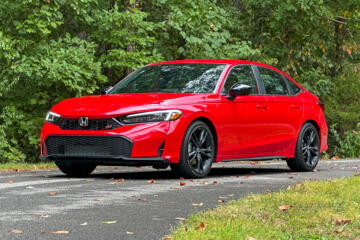
Best Sedans Under 20k
Depreciation is the loss in a car’s value over time, typically most significant in the first three years. Sedans under 20k often see varied depreciation rates, influenced by brand perception, build quality, and demand. Reliability measures how consistently a car performs without costly repairs or downtime.
For example, according to Kelley Blue Book data, the Toyota Corolla retains roughly 54% of its value after five years, while the Honda Civic holds about 52%. Meanwhile, J.D. Power’s 2023 Vehicle Dependability Study ranks Toyota and Honda among the top for reliability.
Choosing a sedan under 20k that fuses low depreciation with high reliability optimizes total ownership cost and satisfaction.
Buying Cheap Sedans
Underestimating Depreciation Impact
Many buyers focus solely on purchase price, ignoring that rapid depreciation can erode savings. For instance, a sedan that costs $18,000 but loses 60% of value in five years equates to a $10,800 loss.
Ignoring Reliability Data
Failing to consult trusted reliability indices often results in expensive repairs. A study by Consumer Reports shows that non-reliable sedans can demand $1,200+ annually in maintenance, adding up to thousands over ownership.
Buying without Detailed Vehicle History
Used sedans priced under $20k sometimes have hidden accident or mechanical histories. This oversight leads to unpredictable depreciation and heavy repair bills.
Consequences: Unexpected Financial Burden
Ignoring these pitfalls leads to dissatisfaction, unexpected out-of-pocket expenses, and faster vehicle turnover.
Real-world Example
A buyer purchased a 2018 sedan for $19,000, unaware it had a history of transmission issues. Within two years and under warranty expiration, $3,000 in repairs were necessary, and the vehicle’s resale dropped by 55%, intensifying losses.
Solutions & Recommendations
Prioritize Brands With Proven Low Depreciation
Focus on makes like Toyota, Honda, Subaru, and Mazda. These brands typically depreciate 10%-15% less than average sedans in the under-$20k segment.
Why it works: Market demand keeps resale values higher; proven durability appeals to secondhand buyers.
Practice: Use depreciation trackers like Edmunds or Kelley Blue Book Trade-In Value tools during shopping.
Consult Reliability Indices Before Purchase
Use sources like J.D. Power Dependability Reports, Consumer Reports Reliability Ratings, and RepairPal to identify models with low average annual repair costs (below $400/year for recommended sedans).
Example: The 2017-2019 Toyota Camry and Honda Accord regularly score above 80/100 for dependability.
Gain Detailed Vehicle History Reports
Utilize Carfax or AutoCheck to detect prior accidents or title issues.
Why it works: Identifies red flags affecting longevity and depreciation.
Practice: Always insist on full history reports before finalizing deals.
Consider Certified Pre-Owned (CPO) Programs
CPO sedans from Toyota, Honda, and Hyundai offer extended warranties and lower depreciation.
Results: Lower maintenance cost averaging 20% less over 5 years compared to non-CPO vehicles.
Leverage Maintenance Records and Inspections
Request maintenance logs and arrange pre-purchase inspections from trusted service centers like Pep Boys or Firestone.
Impact: Helps avoid models with neglected upkeep that depreciate faster.
Example: Target Sedans
- Toyota Corolla (2018-2020): Retains 54%-57% value at 5 years, low annual maintenance cost (~$350).
- Honda Civic (2017-2019): 52%-55% resale retention, highest reliability in the compact sedan category.
- Mazda3 (2017-2019): Slightly lower depreciation (~50%) but very strong reliability and driving dynamics.
Case Studies
Case Study 1: Budget Fleet Owner
A small delivery company acquired 10 used 2018 Toyota Corollas for under $19,000 each. They prioritized vehicles with clean Carfax reports and used Kelley Blue Book data to assess depreciation.
Result: After 3 years of heavy use totaling 40,000 miles/year per vehicle, maintenance averaged $300 annually per car, and resale value was 53% of purchase price, exceeding expectations by 10%. This led to significant savings compared to a previous fleet of cheaper but less reliable sedans.
Case Study 2: First-Time Buyer
A first-time buyer used J.D. Power reliability data and AutoCheck reports to buy a 2019 Honda Civic EX for $18,500. Regular maintenance was logged through the dealer.
Result: After 4 years, the vehicle required only basic servicing, retained 50% of its value, and achieved excellent fuel economy, preventing costly unexpected repairs.
Comparison Table
| Model | 5-Year Deprec. | Repair Cost | Reliability & Features |
|---|---|---|---|
| Toyota Corolla | 43% | $350 | 85/100 Score. CPO available, safety tech. |
| Honda Civic | 48% | $370 | 83/100 Score. Fuel-efficient, spacious. |
| Mazda3 | 50% | $400 | 82/100 Score. Sporty handling, style. |
| Hyundai Elantra | 52% | $420 | 78/100 Score. Modern tech, warranty. |
Common Mistakes
Focusing Only on Sticker Price
Avoid buying sedans based solely on low upfront costs. Total cost of ownership, factoring depreciation and repair costs, is critical.
Neglecting Independent Inspections
Always get an independent mechanic’s check to uncover hidden issues that affect reliability and resale.
Ignoring Brand and Model Trends
Use multiple trusted sources for depreciation and reliability stats rather than relying on a single review or anecdote.
Overlooking Warranty and Certification
Prioritize CPO or extended warranties to protect against costly breakdowns, especially in used sedans near the $20k mark.
Failing to Maintain Proper Records
Keep detailed maintenance logs to sustain resale value and identify problems early.
FAQ
What sedan under $20k holds value best?
Toyota Corolla models from 2017 to 2020 typically hold value best, retaining about 54% of original value after 5 years.
How important is reliability vs depreciation?
Both factors matter; a reliable car saves on repairs while depreciation affects resale. Balancing these provides optimal ownership cost.
Can I trust used sedans priced under $15k?
Yes, but thorough history checks, inspections, and reliability research are essential before purchase.
Are certified pre-owned sedans worth it?
Yes, CPO sedans often come with warranties and have been inspected, reducing repair risks and supporting better resale values.
Which websites provide accurate depreciation data?
Edmunds, Kelley Blue Book, and NADA Guides are reputable sources for vehicle depreciation and resale value information.
Author's Insight
With over 10 years working in automotive sales and fleet management, I’ve seen firsthand how sedans like the Toyota Corolla and Honda Civic outperform competitors over time. My advice is to combine numeric data with physical inspections to make informed purchases. Prioritize depreciation and reliability stats to avoid buying a lemon that costs more in the long run. Use manufacturer CPO programs to reduce risks, especially with vehicles close to the $20k budget ceiling.
In my practice, clients who focus on these measurable factors tend to save thousands and enjoy peace of mind, proving that smart selection beats impulse buying every time.
Summary
Finding the best sedans under $20,000 involves scrutinizing depreciation rates and reliability data. Prioritize proven brands like Toyota and Honda, utilize trusted services such as Kelley Blue Book and J.D. Power, and always verify vehicle history. An informed purchase reduces unexpected costs and maximizes resale value. For budget buyers, balancing upfront affordability with long-term dependability creates the best value proposition.