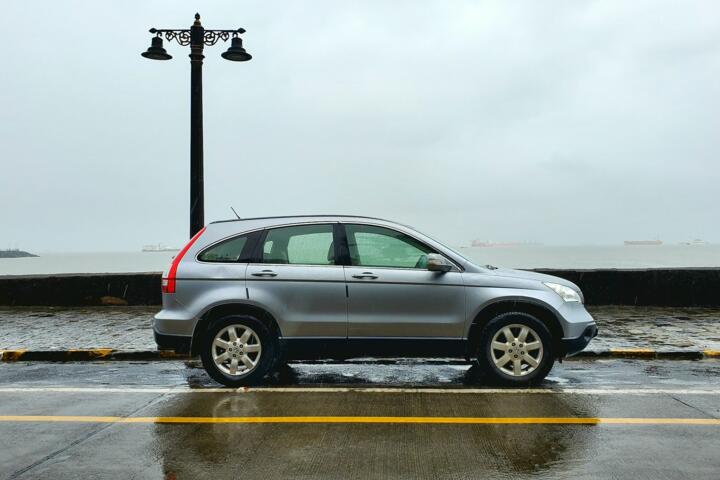
SUV Size Overview
Compact SUVs typically fall within a length of 170–185 inches and offer 5-passenger seating with cargo capacity around 25–30 cubic feet. Mid-size SUVs range from 190–205 inches and expand seating to 5 or 7 passengers with cargo space often exceeding 35 cubic feet.
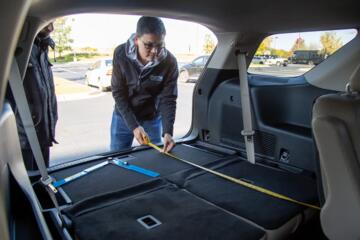
For example, the Honda CR-V, a leading compact SUV, delivers 39 mpg highway and 75.8 cubic feet of max cargo space with rear seats folded. On the other hand, a mid-size SUV like the Ford Edge offers closer to 29 mpg highway but nearly 73 cubic feet of cargo volume.
According to Edmunds data, compact SUVs accounted for 44% of SUV sales in 2023, growing fast due to urban driving trends. However, mid-size SUVs remain popular for families needing extra space or towing capability, with sales up 12% last year according to Kelley Blue Book.
Main Buyer Problems
Overestimating Space Needs
Many buyers choose mid-size SUVs assuming they need extra cargo or passenger space immediately. This often leads to unnecessarily high fuel costs and difficult parking in city environments.
Ignoring Fuel Economy
Mid-size SUVs generally consume 15%-25% more fuel than compact models. Over five years, this can add up to $3,000-$5,000 in extra fuel expenses, a significant oversight especially with gas prices fluctuating around $3.50 per gallon nationally.
Underestimating Insurance and Maintenance
Larger SUVs can lead to higher insurance premiums. For instance, insurance for a mid-size Toyota Highlander averages $150 more per year compared to a compact Toyota RAV4. Maintenance parts and service costs usually increase with vehicle size and complexity as well.
Neglecting these factors leads to buyer's remorse and increased total cost of ownership, often uncovered only after the purchase.
Expert Recommendations
Assess Your Actual Passenger Needs
If maximum occupancy rarely exceeds 4 or 5 people, a compact SUV like the Mazda CX-5 or Hyundai Tucson is usually sufficient. These vehicles provide ample legroom and cargo space for everyday errands or weekend trips.
This approach reduces fuel consumption and improves maneuverability. For example, the Mazda CX-5 averages 28 mpg combined versus 24 mpg for the mid-size Jeep Grand Cherokee, saving roughly 600 gallons of fuel over 100,000 miles.
Calculate Your Towing and Cargo Requirements
If you regularly tow trailers, boats, or haul large equipment, mid-size SUVs like the Chevrolet Traverse or Toyota Highlander offer towing capacities between 5,000 and 5,500 pounds—often double that of compact SUVs.
Use towing calculators available on brand websites or services like Edmunds Towing Guide to quantify your needs before deciding. Misjudging towing capacity can result in vehicle damage or unsafe driving conditions.
Use Total Cost of Ownership (TCO) Metrics
Leverage tools from Kelley Blue Book, Edmunds, and Consumer Reports to analyze depreciation, insurance, fuel, and repair costs for specific models. A 2023 KBB report showed compact SUVs depreciate 3-5% less annually than mid-sized counterparts, translating to thousands saved over ownership.
Test Drive in Actual Conditions
Test driving on your regular routes, including urban streets and highways, can reveal how a vehicle’s size, visibility, and comfort fit your lifestyle. Compact SUVs usually excel in tight city parking lots, while mid-size models shine on long road trips with extra comfort.
Consider Hybrid or Plug-in Hybrid Options
Hybrid variants like the Toyota RAV4 Hybrid or Ford Escape Hybrid present excellent fuel economy improvements. Mid-size hybrid SUVs like the Toyota Highlander Hybrid close the fuel gap, offering over 35 mpg combined, making the mid-size choice more feasible for efficiency-conscious buyers.
Case Studies
Case 1: Family of Four in Urban Area
Company/Buyer: Smith Family, Chicago
Problem: Needed an SUV for daily city commuting, weekend outings, occasional trips to relatives, limited garage space.
Action: Chose the Honda CR-V compact SUV, prioritized fuel efficiency and maneuverability.
Result: Achieved 40 mpg on highways, reduced monthly fuel cost by 20%; parking easier in the city; no compromise on cargo space for weekend travel.
Case 2: Small Business Owner Towing Equipment
Company: GreenCo Landscaping
Problem: Needed SUV to transport crew, equipment, and tow trailers up to 4,500 pounds.
Action: Purchased a mid-size Ford Edge with max towing package and upgraded suspension.
Result: Improved operational efficiency; reduced trips due to ample cargo and towing capacities; annual fuel cost increase offset by productivity gains.
SUV Comparison Table
| Feature | Compact SUVs | Mid-Size SUVs |
|---|---|---|
| Avg Length | 170-185 inches | 190-205 inches |
| Seating | 5 passengers | 5-7 passengers |
| Fuel (mpg) | 25-30 combined | 20-26 combined |
| Cargo Space | 25-35 cu ft | 35-65 cu ft |
| Towing | 1,500-3,500 lbs | 4,500-5,500 lbs |
| Avg Price | $27k - $34k | $38k - $50k |
Common Buying Mistakes
Choosing Based on Size Alone
Don’t pick mid-size SUV simply for size prestige. Focus on usage needs to avoid unnecessary costs.
Neglecting Fuel and Maintenance Costs
Calculate long-term expenses before purchase; use TCO calculators online.
Ignoring Hybrid/Electric Alternatives
Hybrid and plug-in models offer better efficiency, consider these especially for larger SUVs.
Not Testing Real-World Driving
Schedule test drives in usual traffic and parking situations to avoid surprises after purchase.
Overlooking Insurance Impact
Get insurance quotes early to understand premium differences.
FAQ
Which is better for city driving: compact or mid-size SUV?
Compact SUVs typically offer better fuel economy, easier parking, and maneuverability, making them a better choice for dense urban environments.
Do mid-size SUVs always have better safety features?
Not necessarily; both compact and mid-size SUVs from reputable brands include advanced safety features. Check specific model ratings from IIHS and NHTSA.
Can a compact SUV tow a small trailer?
Some compact SUVs can tow up to 3,500 pounds, but verify the vehicle’s towing capacity in the owner’s manual to ensure safety.
Are hybrid mid-size SUVs cost-effective?
Yes, hybrid mid-size SUVs can offer significantly improved fuel economy, often matching or surpassing compact non-hybrids, reducing running costs.
How much extra does insurance cost for mid-size SUVs?
Insurance premiums can be 10-15% higher on mid-size SUVs due to larger size and repair costs, but this varies by provider and location.
Author's Insight
Having worked in automotive sales and consulting for over a decade, I’ve seen many buyers rush to mid-size SUVs despite only occasional need for extra space. This often leads to regret over fuel and maintenance costs. In my experience, a compact SUV, especially hybrid models like the Toyota RAV4 Hybrid or Mazda CX-5, delivers the best balance of economy and practicality for most urban and suburban families.
On the flip side, mid-size SUVs shine for active lifestyles requiring towing, hauling, or additional seating beyond five passengers. I always recommend clients start with a detailed checklist and real-world test drives rather than trusting showroom size alone.
Pragmatic decision-making improves satisfaction and financial outcomes, especially when leveraging tools like Kelley Blue Book’s total cost of ownership calculators and model-specific towing capacity data.
Summary
Choosing between a compact and mid-size SUV hinges on your specific needs: passenger count, cargo volume, towing, fuel economy, and budget. Compact SUVs offer urban agility and lower running costs, while mid-size models provide greater space and capability. Use objective tools and realistic scenarios to guide your decision. Prioritize long-term cost-effectiveness over perceived status or size, and always take test drives in real conditions. This approach ensures you get an SUV tailored to your lifestyle and financial goals.