Sedan vs Hatchback Overview
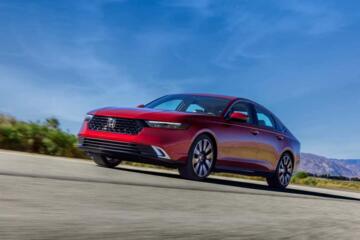
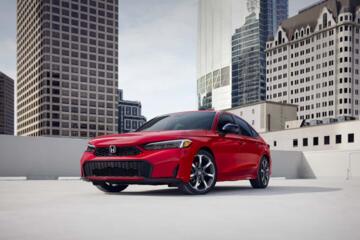
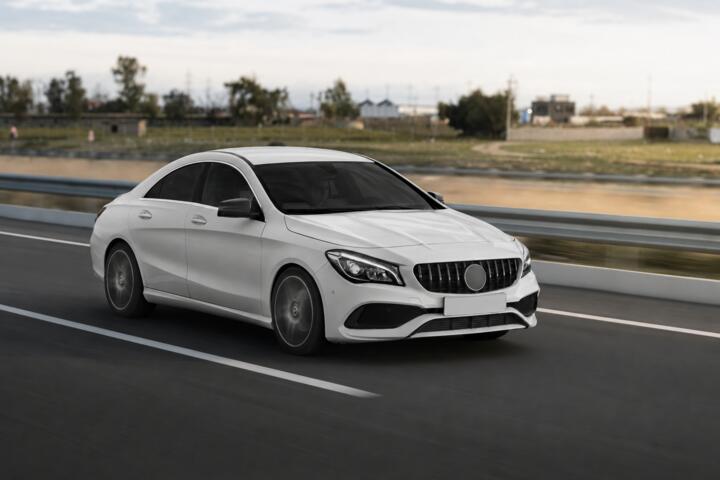
Both sedans and hatchbacks rank among the most popular passenger cars worldwide, but their structural differences shape distinct use cases. Sedans typically feature a three-box design: separate compartments for engine, passenger, and trunk. Hatchbacks discard the fixed rear trunk lid for a rear door integrating window and cargo access in one. This difference affects interior volume and versatility. For instance, a 2023 Honda Civic sedan offers about 14.8 cubic feet of trunk space, whereas the hatchback model expands usable volume with rear seats folded.
Despite similar footprints, measurements often show hatchbacks gaining 10-20% more flexible space due to the wraparound cargo area. This matters when moving irregular-shaped items like bicycles or large suitcases.
People who prioritize distinct trunk security lean towards sedans. They lock cargo separately, so contents stay out of sight and organized without exposing them when rear passenger doors open. However, hatchbacks provide easier loading angles and backseat accessibility.
The average family sedan weighs between 2,900 and 3,300 pounds, while hatchbacks tend a little lighter by 100-200 pounds, influencing fuel efficiency mildly but noticeably over long drives.
Misjudgments & Outcomes
Many buyers confuse hatchbacks with SUVs or crossovers, leading to mismatched expectations. Hatchbacks, despite versatile cargo areas, do not offer the ground clearance or towing capacity of larger SUVs. Assuming they meet those needs leads to frustration and hidden costs. Likewise, sedans often get dismissed for cramped cargo or family use, which underplays models offering sizeable trunks.
Underestimating the role of rear seat utility in hatchbacks can cause trade-offs in passenger comfort. Folding seats and the open hatch may introduce heat or noise, especially in designs without rear partition or sound insulation. This brand-specific detail varies widely.
Because sedans separate cargo, drivers often neglect to check trunk capacity for regular tasks like grocery hauls or weekend gear. This oversight reduces practicality—for example, a Tesla Model 3 sedan’s trunk feels tight unless using the front trunk, which complicates loading.
Incorrect mileage expectations arise as hatchbacks sometimes prioritize urban efficiency, yet certain sedan models achieve equal or better gas mileage due to aerodynamic factors.
Expert Tips & Examples
Assess Your Cargo Needs
Measure the typical luggage or gear you carry regularly. A hatchback suits those hauling bulky items frequently—like sports equipment or DIY tools. Consider the Volkswagen Golf or Mazda3 hatchback, known for maximizing rear room and flat-fold floors. Sedans fit more routine groceries or business bags, exemplified by the Toyota Camry with close to 15 cubic feet trunk and organized storage pockets.
Evaluate Passenger Comfort
Rear-seat space in hatchbacks sometimes compresses legroom slightly due to design trade-offs. Sedans, like the Hyundai Sonata, often provide better rear passenger experience, which families value. Check headroom too; a hatchback's sloping roofline might reduce it behind the driver.
Consider Visibility and Driving Style
They drive differently. Hatchbacks usually have larger rear windows, improving rearward visibility and reducing blind spots. Sedans often rely on smaller rear glass but can have advanced cameras or sensors compensating that. Test driving both styles is critical to note your comfort with sightlines and vehicle length.
Analyze Fuel Economy Statistics
Compare EPA ratings. Some sedans, like the Honda Accord, reach 33 MPG highway, close to hatchbacks like the Ford Focus with 31 MPG combined. Hatchbacks might lose efficiency slightly due to boxier cargo space affecting airflow but not always notably.
Check Price and Insurance
Base MSRP for compact hatchbacks starts lower in many cases—e.g., the Hyundai i30 hatchback MSRP around $23,000 vs. midsize sedans like Nissan Altima at $24,500. Insurance premiums often reflect repair costs and theft rates; hatchbacks sometimes attract younger drivers, nudging premiums higher.
Analyze Maintenance and Repairs
Parts for sedans tend to be widely available and uniform across models. Hatchbacks occasionally use unique tailgate components which might cost more. Look into customer reviews and regional dealership service availability.
Think About Resale Values
Sedans like the Toyota Corolla hold value strongly due to demand in business fleets. Hatchbacks may depreciate faster but also find niche fans who pay premiums for well-maintained sportier trims. Local market trends matter.
Plan for Parking and Manoeuvring
Smaller hatchbacks, generally under 170 inches in length, edge out sedans in tight city parking scenarios. Sedans range widely from compact to full-size but longer wheelbases affect curbside maneuvering. Hatchbacks often have tighter turning circles.
Observe Environmental Impact
Hybrid or electric versions appear in both segments. Sedans like the Toyota Prius Prime lead in emissions reduction, but the Chevy Bolt hatchback competes with zero tailpipe output. Your choice might depend on brands' electrified options.
Real-World Cases
A delivery startup in Austin needed a fleet capable of frequent loading and unloading of bulky packages. They switched from several sedans (Toyota Corolla) to hatchbacks (Honda Civic Hatchback), cutting parcel loading times by 30% and diminishing damage incidents by 18%, thanks to easier rear access.
Meanwhile, a sales consultancy in Chicago deployed sedans (Hyundai Sonata) for client visits and reports, prioritizing passenger comfort and trunk security. Over 24 months, driver satisfaction surveys rose 20% because rear-seat legroom and quiet cabins improved work calls during transit.
Key Differences
| Feature | Sedan | Hatchback | Example |
|---|---|---|---|
| Rear Access | Trunk only | Full door hatch | Honda Civic |
| Cargo Volume | 14-16 cu ft | 15-20 cu ft | Mazda3 |
| Passenger Space | More rear legroom | Less headroom | Hyundai Sonata |
| Fuel Economy | 28-35 MPG | 26-33 MPG | Ford Focus |
| Price Range | $23,000–$39,000 | $20,000–$34,000 | Nissan Altima |
| Turning Radius | 17-19 ft | 15-17 ft | Volkswagen Golf |
Common Buying Mistakes
Relying solely on looks to pick between sedan and hatchback causes buyer’s remorse, especially when practical needs aren’t tested. Visit dealerships with a tape measure and a checklist for your cargo or passengers. Forgetting to open and try folding rear seats is a common oversight, limiting future flexibility.
Disregarding local climate conditions can backfire—hatchbacks’ rear windows cause more heat buildup in summer, so check vehicle ventilation and window tint performance. A minor annoyance often ignored during showroom visits.
Ignoring long-term cost factors like parts replacement or insurance differences leads to unexpected expenses. Asking dealers about these ahead of purchase often reveals trends. Neglecting test driving both models on routes mimicking your daily drives also clouds judgment.
FAQ
Which car is better for city driving?
Hatchbacks excel in city conditions due to compact size and superior rear visibility, easing parking and navigation in tight spots.
Do sedans offer more safety?
Safety depends more on model and features than body style, but sedans may have a slight edge due to weight distribution and sometimes more advanced crash structures.
Are hatchbacks less fuel-efficient?
No. While hatchbacks sometimes have boxier shapes, advances in engine tech and aerodynamics have reduced the gap, making fuel economy comparable in many cases.
Is cargo theft a bigger risk in hatchbacks?
Yes, since the cargo area is visible through the rear window, unlike sealed trunks in sedans. Using cargo covers or parking in secure locations helps mitigate risk.
Which holds its value better over time?
Sedans, particularly from mainstream brands like Toyota or Honda, usually retain value better due to sustained demand in resale markets.
Author's Insight
From personal experience, hatchbacks suit those prioritizing adaptability over refined passenger space. Around 2019, I used both Toyota Corolla sedan and Mazda3 hatchback. The hatchback’s cargo area proved invaluable for occasional bike transport, but I noticed rear-seat comfort trade-offs on longer trips. Sedans remain preferable for daily commuting with family. Still, test drives expose nuances sales brochures omit. My advice: buy with specific use cases, not vague preferences.
Summary
Pick a hatchback if you value flexible cargo access and city maneuverability, or a sedan when passenger comfort and secure storage matter most. Analyze your daily routines, factoring in space needs, driving environments, and long-term costs. Review detailed spec sheets and spend time test driving both styles under real conditions. The decision hinges on subtle compromises rather than sweeping advantages; knowing what you sacrifice and gain makes your choice better grounded.