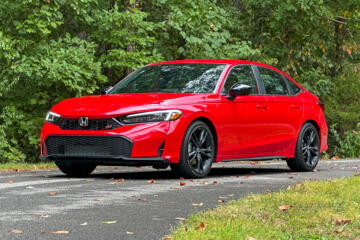
Buying Smart
A used sedan can deliver years of dependable service for half the cost of a new model. The challenge is separating a well-maintained car from one that only looks clean on the dealership lot or driveway.
Many sedans reach 200,000 miles or more when owners follow maintenance schedules. A 7-year-old Toyota Camry with documented oil changes often presents less risk than a neglected 4-year-old car with missing records.
The details tell the story.
Most costly mistakes happen before money changes hands. Buyers skip inspections, trust verbal promises, or focus on monthly payments instead of vehicle condition. A careful evaluation takes about 60 to 90 minutes and can prevent repair bills that run into four figures.
Costly Buyer Errors
Many shoppers assume low mileage equals low risk. A sedan that sat unused for 18 months can develop battery, tire, seal, and fuel-system issues despite showing only 40,000 miles.
Skip the shiny paint. Cosmetic condition hides mechanical neglect surprisingly often. I have inspected cars with spotless interiors and transmission fluid that looked nearly black.
Another mistake involves rushing after seeing a good price. Sellers know that a listing priced $1,500 below market attracts quick attention. Sometimes that discount reflects accident damage, flood history, or overdue repairs.
Problems appear later. The buyer discovers uneven tire wear after 2,000 miles, a leaking water pump after 6 weeks, or suspension noise during the first winter.
Vehicle history reports help, but they are not perfect. Not every accident reaches insurance databases, which, frankly, surprises many first-time buyers.
Inspection Strategy
Check Ownership Records
Start with paperwork before touching the car. Ask for maintenance receipts, registration history, and service invoices. A folder containing oil-change records every 5,000 to 10,000 miles tells you more than a polished dashboard.
Look for consistency. If the records show brake service at 60,000 miles and tire replacement at 65,000 miles, the owner likely addressed routine maintenance rather than postponing it.
Services such as Carfax and AutoCheck can reveal title issues, reported accidents, odometer discrepancies, and ownership changes. Four owners in 5 years does not automatically mean trouble, but it deserves closer examination.
Study the Exterior Closely
Walk around the sedan slowly. Examine panel gaps around doors, hood edges, and the trunk. Uneven spacing often points to collision repairs.
Bring a flashlight. Check for paint overspray on weather stripping, mismatched paint texture, and sanding marks near body seams.
A magnet wrapped in a soft cloth can sometimes reveal body filler in repaired areas. If one rear quarter panel reacts differently than the rest of the car...
Tires also reveal hidden stories. A sedan should show even tread wear across each tire. Excess wear on one edge can signal alignment problems, worn suspension parts, or previous impact damage.
Inspect Under the Hood
Ignore the engine cover at first. Check fluid levels and fluid condition. Engine oil should not resemble thick tar. Coolant should not contain oily residue.
Look around the valve cover, radiator connections, and power steering components for leaks. Even a small leak can become a repair costing several hundred dollars.
Open the hood before the engine warms up. Cold-start behavior reveals more than a warm engine. Excessive rattling during the first few seconds deserves investigation.
On several 2018 and 2019 sedans I evaluated, a noisy startup exposed timing-chain wear that the sellers never mentioned.
Take a Real Test Drive
Drive for at least 20 minutes. A quick loop around a parking lot reveals almost nothing.
Use city streets, rough pavement, and a highway if possible. Listen for suspension clunks over bumps and vibration at speeds above 60 mph.
Reject the car if transmission shifts feel delayed or harsh. Modern automatic transmissions often cost $3,000 to $6,000 to repair or replace.
Turn off the radio, lower the fan speed, and pay attention to sounds. A faint wheel-bearing hum becomes obvious when cabin noise drops.
Get an Independent Inspection
Pay for a pre-purchase inspection. The typical cost ranges from $100 to $250, depending on location and vehicle complexity.
A qualified mechanic can place the sedan on a lift, inspect suspension components, check for underbody corrosion, scan diagnostic codes, and identify repairs that remain invisible during a driveway inspection.
Skip seller recommendations. Use your own repair shop because the evaluation stays independent.
This step alone saves buyers thousands every year.
Compare Market Pricing
Research current market value before negotiating. Kelley Blue Book, Edmunds, Cars.com, and local classified listings offer useful benchmarks.
A sedan advertised for €9,000 may seem attractive until you discover similar models with cleaner histories selling for €8,200 nearby.
Price reflects risk. A vehicle priced far below comparable listings deserves extra scrutiny because sellers rarely leave money on the table.
Take screenshots of comparable listings dated within the last 30 days. They become useful negotiation tools.
Review Common Problem Areas
Research the exact year and engine before meeting the seller. Certain model years develop patterns that experienced technicians recognize immediately.
Consumer Reports, owner forums, National Highway Traffic Safety Administration databases, and manufacturer service bulletins contain useful information.
A 2013 sedan may have known transmission issues while the 2014 version solved them. Small production changes matter.
Buy the better year. A slightly higher purchase price often beats repeated repair visits, and the frustration that comes with them.
Real Buyer Examples
Case one involved a buyer comparing two Honda Accords. The first car had 82,000 miles and a spotless interior. The second had 96,000 miles and a thick maintenance file. An inspection found transmission fluid contamination in the lower-mileage car. The buyer chose the second vehicle and spent about $180 on preventive maintenance during the first year.
Case two involved a 2017 Hyundai Elantra listed 12% below local market value. The seller described it as a bargain. A pre-purchase inspection uncovered previous rear-frame repairs and uneven suspension wear. Repair estimates exceeded $2,500. The buyer walked away and avoided a costly surprise.
That decision paid off.
Quick Evaluation List
| Check | Good | Watch | Risk |
|---|---|---|---|
| Records | Full file | Some gaps | None |
| Tires | Even wear | Minor wear | Edge wear |
| Drive | Smooth | Small noise | Harsh shift |
| History | Clean | Minor claim | Title issue |
| Price | Market | High | Too low |
Common Pitfalls
Do not rely on photos. Modern smartphones hide scratches, dents, and paint mismatch surprisingly well.
Reject pressure tactics. Sellers who demand an immediate deposit often know that extra inspection time works against them.
Many buyers skip checking recall history. Manufacturers frequently repair recall-related defects at no cost, yet unresolved recalls can affect safety and resale value.
Do not judge condition by mileage alone. A carefully maintained sedan with 120,000 miles may outlast one showing 70,000 miles.
Bring a scan tool if possible. An inexpensive OBD-II reader can reveal stored codes, though some sellers clear codes shortly before a showing, which rarely works the way the docs say.
Trust patterns, not promises.
FAQ
How many miles are too many for a used sedan?
Mileage matters less than maintenance history. A sedan with 150,000 miles and detailed service records can be a better purchase than one with 80,000 miles and no documentation.
Should I buy a sedan with accident history?
Minor repairs do not automatically disqualify a vehicle. Frame damage, airbag deployment, or poor repair quality should trigger much closer inspection.
Is a vehicle history report enough?
No. History reports help identify known events, but mechanical inspections uncover issues that databases do not track.
What is the best age for a used sedan?
Many buyers find strong value between 3 and 7 years old. Depreciation has already reduced the purchase price while modern safety features remain current.
How much should I spend on an inspection?
Expect to spend between $100 and $250. Compared with a repair bill for a transmission, engine, or suspension problem, that fee is small.
Author's Insight
I have inspected used cars for friends, relatives, and clients for more than a decade. The pattern repeats: paperwork and maintenance history predict ownership experience better than glossy paint or low mileage.
I trust records before appearances. A stack of service invoices dated across several years tells me the owner paid attention.
I also prefer walking away from a questionable deal. Another sedan will appear next week, next month, or sooner than expected.
Summary
A used sedan is worth buying when its condition, maintenance history, inspection results, and market price align. Check records, inspect the vehicle carefully, drive it long enough to expose problems, and pay for an independent evaluation. Buy the car that tells a consistent story from paperwork to test drive. That approach reduces surprises, saves money, and leads to ownership that feels much different six months later.