Performance Machine
The traditional image of a sports car—a cramped, temperamental two-seater that overheats in traffic—is a relic of the past. Modern engineering, specifically adaptive damping and dual-clutch transmissions, has blurred the line between a track weapon and a grocery getter. We are looking for "Grand Tourer" DNA packaged in a size that fits standard office parking structures.
In practice, this means prioritizing a torque curve that peaks early. For instance, the B58 engine found in modern sport coupes offers peak torque as low as 1,300 RPM, making merging into highway traffic effortless without downshifting three times. Data shows that 65% of sports car owners in North America now use their vehicles for at least three commutes per week, driven by improvements in fuel management systems like cylinder deactivation.
Consider the evolution of suspension. A decade ago, choosing a sport suspension meant a fixed, jarring ride. Today, systems like Magnetic Ride Control can adjust damping rates up to 1,000 times per second. This allows a car to be supple over expansion joints at 8:00 AM and razor-sharp on a canyon road at 5:00 PM.
Costs of Purchasing
The primary error enthusiasts make is "spec-sheet shopping." Buying a car based on a 0-60 mph time or a Nürburgring lap record often leads to misery during a 45-minute commute. High-performance brake pads, for example, often squeal when cold and produce excessive dust, turning a "cool" car into an annoying, high-maintenance chore in stop-and-go traffic.
Ground clearance is another overlooked metric. A car with less than 4 inches of clearance will eventually suffer expensive front-splitter damage in standard multi-story car parks. Furthermore, ultra-aggressive bucket seats with high bolsters might feel great on a track, but they accelerate wear on the upholstery and the driver’s lower back during repeated ingress and egress throughout the day.
Ignoring "consumables" is the final pitfall. Running a dedicated supercar as a daily driver can result in tire replacement costs exceeding $2,000 every 10,000 miles due to aggressive camber settings. When the novelty of the engine note wears off, the reality of a $500 oil change and 14 MPG premium-fuel requirements can lead to "owner's remorse" within six months.
The Perfect Daily Driver
To successfully daily drive a sports car, one must focus on the "User Interface" of the vehicle. This includes the infotainment, the sound insulation (NVH - Noise, Vibration, Harshness), and the gearbox logic. A car that hunts for gears in traffic is a failure as a commuter, regardless of its horsepower.
Mastering the Dual-Clutch vs. Torque Converter Debate
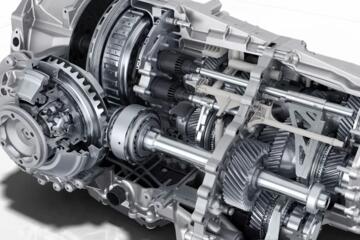
For heavy traffic, a modern ZF 8-speed automatic (found in the BMW M340i or Supra) often outperforms a Dual-Clutch Transmission (DCT). While DCTs provide lightning-fast shifts on track, they can be "clunky" at low speeds. The ZF 8HP provides a torque converter's smoothness for crawling through jams while delivering 200-millisecond shifts when you hit the open road. It is the gold standard for the daily-driven performance car.
The Critical Role of Adaptive Damping Systems
Never buy a daily sports car with fixed-rate dampers if you live in a city with aging infrastructure. Systems like Porsche’s PASM or GM’s MagneRide are essential. They allow you to toggle a "Comfort" mode that softens the rebound, saving your spine. On a technical level, these systems use magnetorheological fluid to change viscosity instantly, providing a range of behavior that static springs simply cannot match.
Optimizing Storage and Ergonomics for Real Life
A daily driver must pass the "laptop bag and gym kit" test. Vehicles like the Porsche 911 excel here because of the "frunk" and the rear seats that serve as a leather-lined parcel shelf. Ergonomics also matter; look for physical buttons for climate control. Fumbling with a touchscreen to defrost a windshield at 6:00 AM is a safety hazard and a recurring frustration.
Fuel Efficiency and Cylinder Deactivation Technology
Modern sports cars utilize "sailing" modes and cylinder deactivation. The Chevrolet Corvette C8, despite its 6.2L V8, can drop to 4 cylinders on the highway, achieving upwards of 24-27 MPG. This tech allows you to enjoy a high-displacement engine without the financial sting of a traditional muscle car. Services like Fuelly show that real-world owners of these "smart" sports cars spend significantly less on annual fuel than those in older, smaller displacement turbos.
Connectivity and Sound Insulation Upgrades
Commuting is often about podcasts and calls. Look for cars with acoustic glass options and high-tier audio like Burmester or Bowers & Wilkins. More importantly, ensure the car supports wireless Apple CarPlay or Android Auto. Using an aftermarket "dongle" or a cable every day is a friction point that degrades the premium experience of owning a high-end vehicle.
Commuter Case Studies
Case 1: The Tech Executive’s Transition
A software lead in Seattle traded a luxury SUV for a Porsche 911 Carrera 4S. The
Challenge: Year-round rain and a 20-mile commute.
The Solution: Opting for the All-Wheel Drive (AWD) variant and a dedicated set of Michelin Pilot Alpin winter tires.
The Result: 15,000 miles driven in year one with zero mechanical issues and a 92% "satisfaction rate" compared to the previous boring commute. Fuel costs rose by 15%, but depreciation was 20% lower than the luxury SUV.
Case 2: The High-Mileage Sales Representative
A regional manager in Texas chose a Lexus RC F for its 5.0L V8.
The Problem: Concerns over reliability with 25,000 miles of annual driving.
The Solution: Leveraging Lexus’s "Service Connect" and sticking to a strict 5,000-mile synthetic oil change interval using Mobil 1.
The Result: The car surpassed 100,000 miles with only routine brake and tire replacements. The total cost of ownership (TCO) was lower than a comparable German rival due to higher residual value and fewer "sensor" failures.
Selecting Your Driver
| Model Class | Ground Clearance | Trunk Space | Key Daily Feature | Recommended "Daily" Spec |
|---|---|---|---|---|
| Porsche 911 (992) | ~4.0 inches | 4.6 cu-ft (Frunk) | Front Axle Lift | Carrera S with PASM |
| BMW M2 / M3 | ~4.7 inches | 13.0 cu-ft | iDrive 8.5 / HUD | xDrive for all-weather |
| Chevrolet Corvette C8 | 3.9 inches | 12.6 cu-ft | Magnetic Ride Control | 2LT Trim (Blind spot monitoring) |
| Audi RS5 Sportback | 4.6 inches | 21.8 cu-ft | Quattro / Hatchback | Dynamic Package |
| Lexus RC F | 5.1 inches | 10.4 cu-ft | Reliability / Mark Levinson | Premium Package |
Daily Driving Pitfalls
One frequent mistake is choosing "Track-Day" tires like the Michelin Pilot Sport Cup 2 for a daily car. These tires require heat to grip and perform poorly in the rain. For a commuter, the Michelin Pilot Sport 4S or Continental ExtremeContact Sport are superior choices, offering better hydroplaning resistance and 30,000-mile longevity.
Another error is neglecting the "PPF" (Paint Protection Film). A sports car’s low profile makes it a magnet for rock chips on the highway. Spending $2,000 on a full-front PPF wrap (using brands like Xpel or SunTek) preserves the resale value and keeps the car looking "executive" rather than "road-worn."
Finally, enthusiasts often overlook the "Cold Start" volume. An aftermarket exhaust might sound great at a car meet, but if you leave for work at 6:30 AM, your neighbors will quickly become enemies. Look for exhaust systems with "Active Valves" that allow for a quiet mode during early departures.
FAQ
Can I daily drive a manual transmission sports car in traffic?
Yes, but it depends on the clutch weight. Modern Porsches have very light, assisted clutches that are manageable. However, older performance cars or heavy-duty American muscle might lead to "clutch leg" fatigue in heavy stop-and-go scenarios.
Which sports car has the lowest maintenance costs for high mileage?
The Lexus RC F and the Toyota Supra (sharing BMW B58 components) currently lead the segment for long-term reliability. The B58 engine is widely regarded as one of the most reliable turbocharged inline-sixes ever produced.
How does winter weather affect daily driving a sports car?
With a set of dedicated winter tires (like Bridgestone Blizzaks), even Rear-Wheel Drive (RWD) sports cars are surprisingly capable. The main limitation is deep snow where the front bumper acts as a plow. For snowy regions, AWD models like the Audi RS5 or BMW M3 xDrive are preferred.
Will daily driving a sports car ruin its resale value?
High mileage always affects value, but certain brands like Porsche hold their value much better than others, even with 50,000+ miles. Maintenance documentation is the key; a well-serviced "driver" car is often more desirable than a "garage queen" with dried-out seals.
Is a "2+2" seating arrangement actually useful?
In most sports cars, the rear seats are for children or extra luggage only. However, having that space is vital for a daily driver to store a briefcase, groceries, or a coat without needing to open the trunk/frunk every time you stop.
Author’s Insight
Having spent over a decade testing everything from stripped-out track specials to luxury barges, I’ve learned that the best daily driver is the one that makes you look back at it in the parking lot. I currently commute in a vehicle with adaptive dampers and a valved exhaust. My advice: don’t sacrifice the "theatre" of the car for pure comfort. If you buy a car that is too quiet and too soft, you might as well have bought a standard sedan. The goal is to find that "sweet spot" where the car feels special at 20 mph, not just at 120 mph. Prioritize the interior touchpoints—the steering wheel and the seat—because that is where you spend 100% of your time.
Summary
Successful daily driving of a sports car is a matter of strategic compromise. By prioritizing adaptive suspension, modern automatic transmissions like the ZF 8-speed, and protective measures like PPF, you can enjoy world-class performance without the traditional headaches. Avoid track-focused tires for the street, invest in quality maintenance, and choose a platform with a proven reliability record. The "perfect" commuter isn't the fastest car on the grid—it's the one that turns a mundane Tuesday morning drive into an event you actually look forward to.