Open and Closed Architecture
At its core, the difference between a coupe and a convertible isn't just a folding roof; it is a fundamental shift in vehicle geometry. A coupe utilizes a "closed-box" structure where the pillars and roof act as stressed members, providing maximum torsional rigidity. When a manufacturer removes the roof to create a convertible, they lose this structural box, often resulting in "scuttle shake"—a noticeable vibration in the steering column when hitting bumps.
To compensate, engineers add heavy steel or aluminum bracing to the chassis. For instance, a BMW 4 Series Convertible typically weighs about 150–200 kg more than its Coupe sibling. This extra mass affects everything from 0–60 mph times to brake wear. From a practical standpoint, the modern "cabriolet" has evolved into two camps: the classic soft-top (fabric) and the retractable hardtop, each offering vastly different thermal insulation and security profiles.
Real-world data shows that while convertibles offer an unparalleled sensory experience, they demand higher insurance premiums—often 10–15% more—due to the higher cost of roof mechanism repairs and increased theft risk. In the luxury segment, brands like Porsche have perfected the "Targa" middle ground, attempting to bridge the gap between these two worlds.
Common Buyer Pain Points
The most common mistake buyers make is overlooking the "hidden" costs of open-top ownership. Many enthusiasts purchase a convertible in a climate with high humidity or extreme dust, only to find that the interior leather degrades 30% faster due to UV exposure. Furthermore, the complexity of modern hydraulic roof systems is frequently underestimated; a single sensor failure in a Mercedes-Benz SL roof can lead to a repair bill exceeding $3,000.
Ignoring the aerodynamic "buffeting" is another oversight. At speeds over 60 mph, the cabin turbulence in poorly designed convertibles can lead to driver fatigue and hearing strain over long distances. In terms of security, a fabric soft-top is essentially a "tent on wheels," making it a target in urban environments. Owners who fail to account for the loss of trunk space when the top is retracted often find themselves unable to use their vehicle for weekend getaways, defeating the purpose of a grand tourer.
Strategic Recommendations
Assessing Torsional Rigidity and Performance Metrics
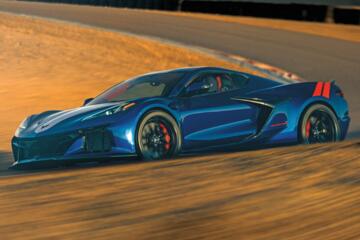
If your primary goal is track days or spirited canyon carving, the coupe is objectively superior. The increased stiffness allows the suspension to work more accurately. However, if you opt for a convertible, look for models designed as roadsters from the ground up, like the Mazda MX-5 Miata or Chevrolet Corvette Z06. These cars suffer less from structural compromise because they weren't "chopped" versions of existing coupes.
Evaluating Climate and Acoustic Comfort
For those in colder climates, a retractable hardtop (like those found on the Ferrari F8 Spider) provides coupe-like insulation. If you choose a soft-top, ensure it features multi-layer "acoustic" fabric. Modern Audi convertibles use up to six layers of material to bring cabin noise levels within 2-3 decibels of a standard sedan. Check for the presence of a "wind deflector"—this simple mesh screen can reduce cabin turbulence by up to 70%.
Long-term Maintenance of Folding Mechanisms
To avoid catastrophic failures, treat your convertible top as a mechanical service item. Use specialized lubricants like Krytox on rubber seals every six months to prevent leaks. For fabric tops, application of a hydrophobic protectant like 303 Fabric Guard prevents mold growth and UV fading. Statistics show that well-maintained tops last 12-15 years, while neglected ones may fail in under 7.
Analyzing Resale Value and Market Trends
Market data from Bring a Trailer and Hagerty suggests that limited-run coupes often appreciate faster than their convertible counterparts (e.g., the BMW 1M Coupe vs. 135i Convertible). However, in the luxury lifestyle segment, convertibles often hold a "prestige premium." Always check the production numbers; a rare color combination on a convertible can sometimes offset the traditional "coupe premium" in the collector market.
Optimizing Interior Longevity
When driving top-down, your interior becomes your exterior. Invest in high-grade ceramic window tint, even if the film is clear, to block 99% of UV rays from hitting the dashboard. For leather care, products like Leatherique are essential for replenishing the natural oils baked out by the sun. If you park outside, a "half-cover" that protects just the roof and windows is a $50 investment that can save $5,000 in interior restoration later.
Security and Urban Practicality
In high-crime urban areas, the "knife-through-fabric" theft remains a reality. If you must have a convertible in the city, the retractable hardtop is the only logical choice. Services like LoJack or integrated GPS tracking are highly recommended for open-tops, as they are statistically more likely to be entered by opportunists. Also, verify that the car has a "valet mode" or a lockable glovebox/trunk that remains secure even when the top is down.
Body Style Case Studies
Case Study 1: The Rental Fleet Optimization
A luxury rental agency in Miami transitioned 40% of its fleet from coupes to convertibles (specifically Ford Mustang GTs and Porsche 911s). While maintenance costs rose by 12% due to roof sensor calibrations and interior detailing, their utilization rate increased by 35%. The result was a net profit increase of 22% per vehicle, proving that in "destination" markets, the emotional appeal of a convertible outweighs the technical superiority of a coupe.
Case Study 2: The Track Enthusiast's Regret
An amateur racer purchased a Jaguar F-Type Convertible for weekend track use. After six months, telemetry data showed consistent mid-corner instability compared to his peers in coupes. By installing an aftermarket chassis brace from Ultra Racing and upgrading to stiffer bushings, he managed to recover 60% of the lost rigidity, but at the cost of significantly increased "Noise, Vibration, and Harshness" (NVH), ultimately leading him to trade the vehicle for a fixed-head coupe.
Ownership Factor Analysis
| Feature | Coupe (Fixed Roof) | Convertible (Open Top) |
|---|---|---|
| Chassis Rigidity | High (Maximum structural integrity) | Moderate to Low (Potential for flex) |
| Curb Weight | Lighter (Better power-to-weight) | Heavier (+100kg to +250kg typical) |
| Cabin Quietness | Superior (Isolated from road noise) | Variable (Soft-tops are noisier) |
| Storage Space | Consistent (Standard trunk size) | Reduced (Roof consumes trunk space) |
| Theft Security | High (Hard to penetrate) | Lower (Soft-tops are vulnerable) |
| Maintenance | Standard (Wiper blades/seals) | High (Hydraulics/UV treatments) |
Avoiding Common Mistakes
Never operate a power top while the vehicle is in motion unless the manufacturer explicitly states it is safe up to a certain speed (usually 30 mph). Doing so can catch the wind like a sail, bending the expensive aluminum hinges. Another error is folding a wet fabric top; this is a guaranteed way to trap moisture, leading to "mildew staining" and a permanent foul odor in the cabin.
Avoid buying a used convertible without checking the "drain holes." Most convertibles have internal channels to divert rain. If these are clogged with leaves, water will back up into the floorboards, frying expensive electronic control modules (ECMs) located under the seats. Finally, don't assume all "hardtop" convertibles are quiet; older models can develop "creaks" as the rubber seals dry out and the chassis flexes over time.
FAQ
Is a convertible less safe in a rollover accident?
Modern convertibles are equipped with "Pop-up Rollover Hoops" that deploy in milliseconds using pyrotechnic charges. While a coupe's steel pillars are inherently stronger, cars like the Volvo C70 or BMW Z4 earn high safety ratings due to reinforced A-pillars and these active safety systems.
Do soft-tops leak in the car wash?
High-pressure touchless washes are generally safe, but "brush" washes can abrade the fabric and damage the plastic rear windows found on older models. It is always recommended to hand-wash a convertible or use a "low-pressure" setting to preserve the waterproof sealants.
Does a convertible roof affect insurance premiums?
Yes, typically. Insurance companies view the roof as a high-cost component. A minor fender bender that slightly tweaks the frame can make the roof unalignable, leading to a "total loss" designation more easily than with a coupe.
Which is better for resale: Coupe or Convertible?
It depends on the model. For a Mazda Miata, the convertible is the standard. For a Porsche 911, the Coupe generally holds value better among purists, while the Cabriolet appeals to a wider lifestyle market. Historically, manual-transmission coupes have the highest appreciation floor.
Can I use a convertible as my only car in winter?
Yes, provided you have a "cold weather package" (heated seats, heated steering wheel, and neck-level heating like Mercedes' Airscarf). Modern multi-layer tops offer excellent thermal insulation, often comparable to a standard car.
Author's Insight
Having driven both platforms across various terrains, I’ve found that the "Coupe vs. Convertible" debate isn't about stats—it's about "The 10% Rule." You will spend 90% of your time commuting where a coupe is quieter and more practical. However, that 10% of the time when you are on a coastal road at sunset with the top down provides a psychological "reset" that a fixed roof simply cannot replicate. My advice: if you live in a region with at least four months of temperate weather, go for the convertible, but only if you have a garage. The sun and rain are the natural enemies of the folding top; shelter is the key to making the open-top experience a joy rather than a maintenance nightmare.
Summary
Choosing between a coupe and a convertible requires a realistic assessment of your driving environment and performance priorities. Coupes remain the gold standard for structural purity, security, and long-term value retention. Conversely, convertibles offer a transformative driving experience at the cost of increased weight and maintenance complexity. For the best of both worlds, prioritize vehicles with retractable hardtops or factory-backed acoustic soft-tops, and always maintain a strict regimen of seal lubrication and UV protection to safeguard your investment.