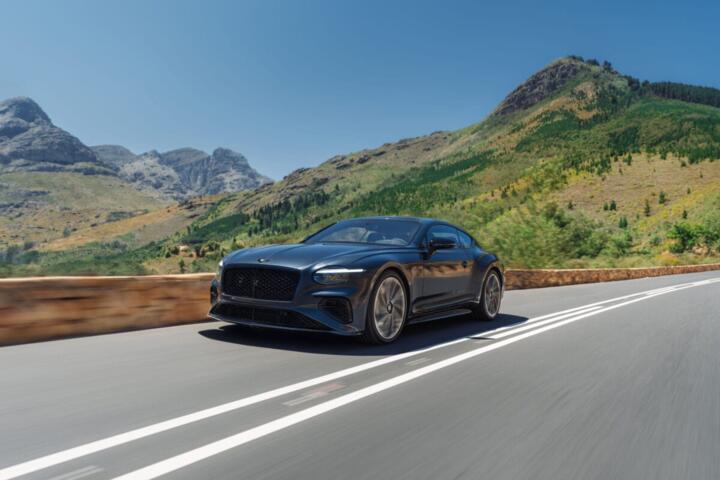
Sports Car vs GT Basics
A sports car is tuned for driving intensity over short stretches, while a grand tourer (GT) is tuned for sustained pace and long-distance comfort. The difference shows up in suspension tuning, seating position, noise control, and how the car behaves after 2–3 hours on the highway.
Skip the badge guessing. It hides the real engineering choices. For example, a typical sports car may use a shorter wheelbase and firmer damping to sharpen turn-in, while a GT often uses more sound insulation and a calmer steering ratio for fatigue reduction.
Fuel economy numbers also separate the categories. A modern 3.0-liter turbo V6 in a GT can average around 22–28 mpg (US) on steady highway driving, while a sports car with similar power may land closer to 18–24 mpg depending on gearing and tire width. EPA estimates vary by model and drivetrain, so treat any single figure as a range, not a promise.
Skip the timer apps. They add one more thing to manage. In real ownership, the “timer” is the trip length: a 300-mile run stresses brakes, tires, and cabin noise far more than a 20-minute back-road loop.
Industry facts matter here. In the US, the average new-vehicle transaction is roughly 12–13 years old in the fleet, and most miles are accumulated on roads rather than tracks. That makes sustained comfort and predictable heat management more relevant than peak lap times.
What Buyers Get Wrong
People often treat “sports car” and “grand tourer” as synonyms, then wonder why the car feels wrong on day 30. A sports car can feel busy on long highway grades because firm damping and high tire loads keep the chassis working. A GT can feel slower to respond when you expect track-like throttle mapping and steering weight.
Financial consequences show up fast. Tires are the most common wear item on performance-oriented cars, and they’re priced by size and compound. A wide 20-inch tire set can cost several hundred dollars per tire; a GT that runs 19-inch tires may reduce replacement cost, but it depends on the exact wheel and tire spec.
Skip the “one test drive” plan. It hides the heat-soak behavior. After repeated pulls, some sports cars show stronger brake fade resistance because of larger rotors or better pad materials, while some GTs rely on thermal capacity and driver aids to keep temperatures stable.
Real-world situations make the mismatch obvious. A couple planning weekend trips with a child seat needs rear-seat access, seatbelt reach, and trunk volume. Many sports cars have tight rear accommodations, while many GTs are built with more usable rear space and larger luggage openings.
Ownership costs also differ in insurance and depreciation. Performance trims often carry higher insurance premiums because repair costs and claim frequency are higher for low-profile tires and high-value parts. Depreciation varies by brand and model, but cars with limited production runs can hold value better, while mass-market GTs may drop faster once the initial demand cools.
How to Choose with Specifics
Match the trip length
Do this: estimate your typical drive in miles and hours, then test the car for at least 45 minutes on highway speeds. Why it works: cabin noise, steering effort, and seat comfort show up after sustained time, not during a short loop. What it looks like: you should be able to hold a steady pace without constant micro-corrections. Use a phone timer and a decibel app; cabin noise is often the deciding factor on long runs.
Numbers help. If your weekly routine includes 150–300 miles, prioritize GT-style insulation and a calmer ride. If your routine is 20–60 miles with frequent stops, sports-car control feel matters more.
Check tire and brake sizing
Do this: compare tire width, wheel diameter, and brake rotor size across trims. Why it works: tire compound and contact patch drive both grip and wear, and rotor size affects brake fade resistance. What it looks like: a sports car may run wider tires and larger calipers, which can improve stopping consistency but raises replacement cost. Ask for the tire spec sheet and look up typical replacement intervals based on driving style.
Numbers to watch: a set of performance tires can last anywhere from 10,000 to 25,000 miles depending on compound and alignment. If the GT uses 19-inch tires with a taller sidewall, it may reduce road harshness and curb rash frequency.
Compare engine behavior
Do this: test throttle response in two modes and note how the car behaves at 1,500–2,500 rpm. Why it works: GTs often tune for midrange torque and smoothness, while sports cars may emphasize sharper response and higher-rev character. What it looks like: a GT should pull cleanly on a grade without frequent downshifts, while a sports car may feel more dramatic but less relaxed. Use the same route and same gear selection strategy each time.
Example: a BMW 540i uses a 3.0-liter turbocharged inline-six with a focus on tractable torque, while a Porsche 718 Cayman S uses a smaller 2.5-liter turbo flat-four with a different power delivery strategy. The point is not which is “better,” but how the torque curve matches your driving.
Evaluate cabin practicality
Do this: measure rear-seat access, seatbelt reach, and trunk opening width with a tape measure. Why it works: GTs are often chosen for road trips with passengers, and sports cars can feel cramped after a few hours. What it looks like: child-seat compatibility depends on lower LATCH/ISOFIX anchor positions, seat cushion shape, and whether the front seat can move far enough. Bring the child seat manual and check the fit before signing paperwork.
Numbers matter. If you carry a stroller or golf bag, trunk opening height and depth matter more than total liters. Many coupes list trunk volume, but the usable opening can be narrower than the spec suggests.
Test heat management on repeat pulls
Do this: do 3–5 moderate accelerations from 40–70 mph, then slow down and repeat after 5 minutes. Why it works: brake and transmission thermal behavior shows up after heat soak. What it looks like: a GT may keep performance steadier with less driver intervention, while a sports car may require more careful pacing. If the car has a track mode, test both normal and sport settings.
Skip the “it felt fine once” conclusion. It ignores thermal limits. You’re looking for changes in throttle response, shift timing, and brake pedal firmness.
Estimate fuel-cost differences
Do this: compare EPA highway estimates and then run a simple cost-per-mile estimate using your local fuel price. Why it works: GTs often target highway efficiency through gearing and engine mapping, while sports cars may spend more time in lower gears. What it looks like: a GT might average 26 mpg on a steady run, while a sports car might average 20 mpg under similar conditions. Use your own route speed profile, not a brochure cycle.
Example: if fuel is $3.50/gal, 26 mpg costs about 13.5 cents per mile, while 20 mpg costs 17.5 cents per mile. Over 12,000 miles, that’s roughly $480 difference before other variables.
Plan charging or range only if EV
Do this: if you’re comparing EVs, check real-world range at highway speeds and the car’s charging curve. Why it works: EV GTs and EV sports cars can both advertise range, but sustained highway driving and battery temperature affect usable miles. What it looks like: a GT may be more stable at speed, while a sports model may trade range for performance. Confirm whether the car supports DC fast charging at the advertised kW and whether it tapers quickly.
Battery range estimates vary widely. A 300-mile rated EV might deliver 200–260 miles in cold weather or at sustained 75 mph, depending on battery size and thermal management. Charging limitations also matter: some cars peak at 150–250 kW, then drop sharply after a certain state of charge.
Check warranty and repair exposure
Do this: read the powertrain and bumper-to-bumper terms, then ask the dealer for typical out-of-warranty costs for brake pads, rotors, and tires. Why it works: performance cars often need more frequent consumables, and warranty coverage varies by component. What it looks like: a GT with adaptive dampers may have higher repair costs if sensors or actuators fail. Keep an eye on maintenance intervals for spark plugs, transmission fluid, and differential service.
Numbers to anchor: many manufacturers specify brake fluid service every 2–3 years, and some performance models require more frequent inspections for cooling systems. If the car uses an expensive high-pressure fuel system or complex cooling, budget for diagnostic time.
Mini Case: Fleet Buyer
A small logistics company bought two vehicles to cover 900 miles per week of mixed highway and city driving. They started with a sports-car-like coupe because it had a strong 0–60 mph figure, then saw higher tire replacement rates after 18 months. The tires wore faster due to alignment sensitivity and the wider wheel/tire package.
They switched to a grand tourer-style sedan with a 3.0-liter turbo V6 and narrower tires, then standardized tire rotation and alignment checks every 5,000 miles. The result: tire replacement moved from about 14,000 miles to about 22,000 miles, and brake wear slowed because the driver used fewer aggressive downshifts. Fuel economy improved by roughly 2–4 mpg on highway routes, cutting weekly fuel spend by an estimated $60–$120 depending on fuel price.
Skip the “performance is the only metric” mindset. It ignores consumables and driver workload.
Mini Case: Road-Trip Couple
A couple with a toddler wanted a car for 3–4 hour weekend trips and occasional airport runs. They test-drove a mid-engine sports car, then rejected it after struggling with rear-seat access and child-seat installation. The trunk opening also made it awkward to load a stroller without tilting seats or removing accessories.
They chose a GT-oriented model with a 3.0-liter turbo engine and a larger trunk opening, then verified ISOFIX/LATCH fit with their seat before purchase. After 6 months, they reported fewer “setup” delays at departure and less cabin noise fatigue on the highway. Their tire wear stayed within expected ranges because they avoided the widest tire option and kept tire pressures aligned to the door-jamb spec.
They also tracked costs: insurance quotes were higher on the sports car trim, and the GT’s repair parts were cheaper for common items like rotors and sensors. The difference wasn’t dramatic every month, but it mattered over a year.
Checklist: Pick the Right One
| Decision point | Sports car bias | Grand tourer bias | What to check on the test drive |
|---|---|---|---|
| Trip length | Short loops | 2+ hour drives | Noise after 30–45 minutes |
| Tires & brakes | Wider tires | Often narrower | Cost per tire and fade after repeats |
| Engine feel | Sharper response | Midrange pull | Grade pulls at 1,500–2,500 rpm |
| Cabin practicality | Tighter rear access | More usable seating | Child-seat fit and trunk opening |
| Fuel cost | Lower mpg common | Higher mpg common | Use your fuel price and highway mpg |
Common Mistakes and Fixes
Confusing peak speed with usability
Why it happens: brochures highlight 0–60 mph and top speed, not how the car behaves at 65–80 mph for 90 minutes. Impact: you buy a car that feels tense on long drives and costs more in tires and brakes. How to avoid it: test on a route with steady speeds and grades, then note shift frequency and brake pedal feel after repeat pulls.
Skip the “one number” trap. It hides the whole driving cycle.
Ignoring tire width and wheel size
Why it happens: wheel size looks like a style choice, so buyers miss the cost and ride consequences. Impact: wider tires wear faster and cost more to replace, and they can be more sensitive to potholes. How to avoid it: ask for the exact tire model and size, then check typical replacement pricing and tread-life expectations for that compound.
Numbers help. If the car offers a narrower tire option, compare it against your local road conditions.
Assuming “GT” means roomy
Why it happens: the term gets used loosely, and some GT-labeled cars are still coupes with limited rear space. Impact: child-seat installation fails, or passengers complain after 45 minutes. How to avoid it: bring the child seat and verify anchor positions, seatbelt routing, and whether the front seat can slide far enough.
Do a physical check. Specs rarely show how the seatbelt buckle lands.
Overlooking warranty terms for performance parts
Why it happens: buyers read the headline warranty length and stop there. Impact: adaptive dampers, cooling components, and sensors can be expensive out of warranty, and consumables are often excluded. How to avoid it: ask what’s covered for suspension electronics and cooling, then confirm service intervals for brake fluid and transmission fluid.
Bring the VIN. A dealer can quote coverage details tied to that specific build.
Not budgeting insurance differences
Why it happens: insurance quotes are treated as an afterthought. Impact: monthly payments rise, and deductibles can be higher for performance trims with expensive wheels and brakes. How to avoid it: request quotes before purchase using the exact trim and wheel/tire package, then compare deductibles and repair coverage terms.
Frustration shows up later. A “great deal” can vanish after the first premium bill.
FAQ
Is a grand tourer always slower?
No. Many grand tourers use engines tuned for midrange torque and smooth power delivery, so they can feel quick in everyday driving even if peak acceleration claims differ. A sports car may post a stronger 0–60 mph time because of gearing and traction strategy, but that doesn’t predict highway passing feel or how often the car downshifts. Focus on how the car pulls at 1,500–2,500 rpm and how stable it feels at 70–80 mph. If you drive long grades, the GT’s thermal management and shift logic often matter more than a single sprint number.
Which type is better for road trips?
Grand tourers usually fit road trips better because they prioritize sustained comfort: cabin noise control, seat ergonomics, and calmer steering effort. Sports cars can work for road trips too, but the trade-off is often fatigue after 2–3 hours, especially with firm damping and low-profile tires. Check how the car sounds at cruise and how the suspension behaves over expansion joints. Also verify luggage practicality: trunk opening width and rear-seat access decide whether the trip stays “easy” or turns into constant rearranging.
Do sports cars cost more to maintain?
They often do, mainly due to consumables. Wider tires and performance brake pads can wear faster, and parts pricing rises with larger wheels and brake hardware. Maintenance frequency depends on the exact model and how it’s driven, but brake fluid service and alignment checks matter on both categories. The biggest difference is repair exposure: performance-oriented cars may have more expensive sensors, cooling components, and suspension parts. Before buying, ask for typical out-of-warranty costs for tires, rotors, and any known wear items for that specific trim.
How do EV sports cars and EV GTs differ?
EV sports cars and EV GTs differ less by “motor type” and more by tuning: power delivery mapping, regenerative braking calibration, and how the car manages battery temperature during repeated high-speed driving. Range estimates are also sensitive to speed; highway driving can cut usable range compared with city-focused ratings. Charging behavior matters too: some cars peak at higher DC fast-charging rates but taper quickly. If your trips include charging stops, compare the charging curve and the time needed to reach a practical state of charge for your route.
What should I test for child-seat fit?
Test the installation, not the brochure. Verify ISOFIX/LATCH anchor positions, whether the seatbelt routes cleanly, and whether the front passenger seat can move without crushing the child seat. Check rear-seat cushion shape and how much legroom remains for an adult behind the driver. Then load the trunk with your typical weekend items to confirm the opening height and depth. If the car has a “sport” seat that limits rear access, test it with the child seat installed before you decide.
Author's Insight
Sports cars and grand tourers share performance hardware, but their priorities show up in tuning choices: damping firmness, steering ratio, sound insulation, and how the transmission manages heat and gear selection. The most reliable way to tell the difference is to test the car on the same route you actually drive, then track what changes after 60–90 minutes. I’ve seen buyers focus on 0–60 mph and then get surprised by tire wear, cabin noise, and rear-seat usability. A careful comparison of tire size, brake hardware, and warranty exclusions usually predicts ownership friction better than marketing terms.
Key Takeaways
Pick a sports car if your driving is mostly short, and you want sharper steering and more immediate response, accepting higher consumable costs. Pick a grand tourer if your routine includes long highway stretches, passenger time, and luggage needs, and you want calmer cabin behavior and steadier thermal management. Next step: write down your typical weekly miles, your tire size preference, and whether you need rear-seat child-seat fit, then test two cars with matching routes and repeat pulls.
Limits exist. Some models blur the line, and trim choices can change everything from tire width to sound insulation. If you’re buying a used performance car, get a pre-purchase inspection focused on brakes, cooling, suspension wear, and any adaptive system faults. If you have specific concerns about safety systems or child-seat installation, consult the vehicle owner’s manual and the child-seat manufacturer’s fit guide before purchase.