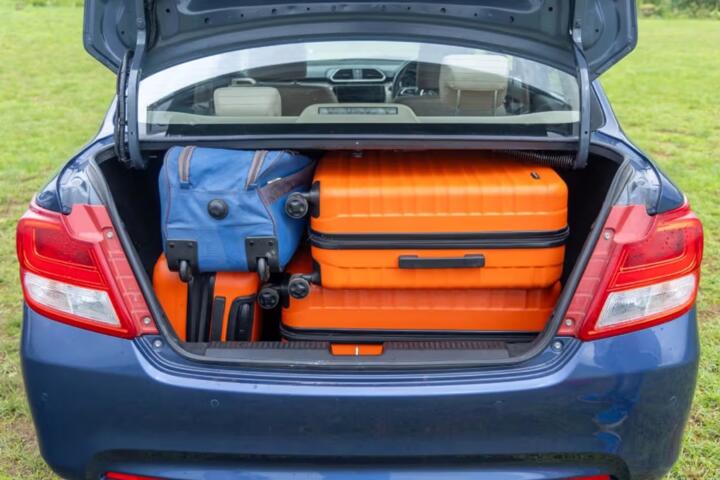
Sedan Trunks: Real Use
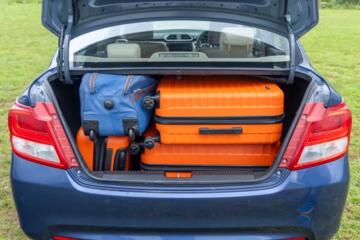
Trunk space in a sedan can outperform an SUV’s cargo area for shoppers who move bulky but not tall items, load frequently, or dislike climbing into higher openings. A sedan trunk usually offers a lower lift height, a flatter cargo floor, and a rear opening that stays consistent across trips. Those traits matter when you load groceries, a gym bag, a stroller, or a set of folded camping chairs.
Many SUVs advertise “cargo volume,” yet the usable space changes with the opening height, the wheel-arch intrusions, and the way the rear seat folds. A sedan trunk often trades height for a longer, more uniform cavity. That trade can be favorable when your items are wide and flat, or when you stack soft goods that compress into corners.
One practical detail: sedan trunks frequently have a deeper well with fewer steps, while SUVs often have a higher threshold and a more complex floor shape. I’ve seen shoppers measure with a tape and discover the “headline liters” do not match the space they can actually reach and pack. The difference shows up fast when you try to slide a cooler in without scraping the lid.
What Buyers Get Wrong
People often compare only published cargo volume numbers and ignore geometry. Cargo volume is measured under standardized conditions, but real packing depends on opening size, interior height, and how the floor transitions near the bumper. A sedan trunk opening can be narrower, yet the cargo cavity may still accept larger flat items because the trunk walls run more parallel.
Another common mistake involves assuming that “SUV cargo” equals “SUV trunk.” Many SUVs have a cargo floor that sits higher than a sedan trunk floor, which changes how you load and unload. If you load multiple times per week, the lift height and reach distance affect whether you pack efficiently or leave items in the back seat.
Wheel-arch intrusions also distort comparisons. SUVs often have larger wheel wells that eat into the usable width, especially near the back corners. Sedans can still have intrusions, but the trunk’s shape often keeps the floor flatter across more of the length.
Supporting factors include seat-fold design, cargo tie-down placement, and whether the trunk opening clears roofline and rear spoiler contours. Some SUVs also route exhaust components or structural members in ways that reduce flat stacking. Even the trunk lid opening angle changes how you place a box without bumping your knuckles.
How To Choose Better
Measure Your Usual Loads
Start with the items you move most often: a stroller folded dimensions, a cooler size, a laundry basket, or a set of golf bags. Measure the largest dimension you need to fit through the opening and the largest dimension you need to fit inside. For a quick test, bring a tape measure to the dealership and check whether the trunk opening width matches the widest item you carry.
When you compare, write down three numbers for each vehicle: opening width at the narrowest point, cargo floor length from the seatback to the rear lip, and the height from the floor to the underside of the trunk lid. Those measurements often explain why a sedan trunk feels bigger even when the SUV’s published volume leads. I once watched a shopper discover their 18-inch-tall storage bin hit the lid curve in an SUV, while the same bin slid into a sedan trunk with room to spare.
Test Loading Height And Access
Loading height affects daily usability more than many spec sheets. Compare the threshold height from the ground to the cargo floor and the reach distance from the bumper to the back wall. A sedan trunk typically lowers the lift, which helps when you carry groceries, kids’ gear, or tools without lifting overhead.
Do a “two-trip test” in the real world: load the same set of items twice, once with the vehicle you’re considering and once with your current car. Track how many items you can fit before you start using the rear seat. If you end up using the back seat frequently, the SUV’s extra cargo volume may not translate into better overall carrying capacity.
Also check whether the trunk opening interferes with your driveway or garage door. A sedan trunk lid often swings up and back; an SUV liftgate may require more vertical clearance. That clearance can matter on tight lots, and it rarely shows up in brochures.
Check Seat-Fold And Tie-Downs
Seat-fold design changes how well you carry long items and how flat the cargo floor becomes. Look for a trunk that offers a near-flat surface when the rear seats fold down, and check whether there’s a noticeable step or gap at the seatback. If you transport a folding table, a long toolbox, or a sheet of plywood, the step can force you to angle items and reduce usable length.
Tie-downs matter for stability. Count the number of anchor points and check whether they sit low enough to secure soft bags without pulling them upward. Some sedans include cargo nets or side rails that help keep items from sliding when you brake. I’ve seen buyers ignore tie-downs during shopping and then struggle with a cooler that shifts during a sudden stop.
Use A Simple Packing Strategy
Pack by shape, not by volume. Put flat items first against the back wall, then fill gaps with compressible bags. Use the trunk’s corners for soft goods because they conform to the shape. For hard items like a cooler, place it low and centered to reduce tipping.
If you carry a stroller or car seat, test the fold and placement method. Some sedans accept the stroller with the wheels turned a certain way, while SUVs may require more space because of the higher floor and wheel-arch shape. A small change in orientation can turn a “fits” moment into a “doesn’t close” moment.
For road trips, plan for airflow and access. A sedan trunk often keeps items more protected from wind, but it can limit access to mid-trip items if you need to open the trunk frequently. That trade depends on your habits and how often you reach for snacks or jackets.
Case Examples With Real Constraints
Groceries And A Cooler
A buyer shops for a sedan after measuring a compact SUV’s cargo area and finding the cooler’s height interfered with the liftgate curve. The sedan trunk opening allowed the cooler to slide in without tilting, and the flatter floor reduced the need to rearrange bags. The buyer still carried the same number of grocery bags, but the sedan required fewer back-seat placements because the trunk accepted wider, flatter items.
In this scenario, the key factor was not the headline cargo volume. The decisive detail was the combination of opening shape and floor flatness, which changed how many items fit before the trunk lid reached its closing point.
Stroller And Weekend Gear
Another buyer considered an SUV for family trips, then chose a sedan after testing stroller placement and seat-fold behavior. The SUV’s higher cargo floor made loading the stroller more tiring, and the wheel-arch intrusion reduced usable width near the corners. The sedan’s trunk accepted the stroller folded with less fiddling, and the buyer used the trunk for bulky items while keeping the rear seat available for passengers.
This case highlights a practical dependency: if you load frequently and carry items that do not compress, access geometry matters more than maximum volume.
Sedan Vs SUV Cargo Checklist
| Check | Sedan Trunk Tends To | SUV Cargo Tends To | What To Do In Store |
|---|---|---|---|
| Lift height | Lower threshold for many models | Higher cargo floor | Load a medium box twice; note reach and strain |
| Floor shape | Often flatter across length | More wheel-arch and step effects | Place a flat board or folded blanket; check gaps |
| Opening geometry | Consistent trunk cavity access | Liftgate curve can limit height | Measure opening width and lid clearance |
| Seat-fold usability | Varies by model; often usable for long items | Varies; may create steps or uneven floors | Fold seats and check for a flat path |
| Tie-downs and rails | Often includes trunk anchors or nets | Varies; cargo floor may be less uniform | Try securing a bag; check anchor height |
Use this checklist to decide based on packing behavior, not brochure volume. If you can’t test with your own items, measure the dimensions and compare against your list of real loads.
Common Mistakes To Avoid
One mistake involves trusting “max cargo” numbers without checking how the rear seat folds. A sedan trunk can look smaller on paper yet accept more of your actual shapes because the floor stays flatter. An SUV can look larger yet force you to angle items due to wheel-arch intrusions or a higher threshold.
Another mistake is ignoring the trunk lid and bumper lip. A low bumper lip can help slide items in, while a higher lip can force you to lift and tilt. That difference changes whether you can load one-handed when your other hand holds a child or a bag.
Some shoppers also forget to check for cargo floor accessories like spare tire wells, removable bins, or cargo covers. A cover can reduce usable height and change how you stack items. I’ve seen buyers remove a cargo tray after purchase because it limited how far down a cooler could sit.
Finally, do not assume that “folded seats down” equals “flat floor.” Many vehicles create a step or a gap that matters for long, rigid items. If your use includes transporting a long board, a ladder, or a large appliance box, the step becomes the deciding factor.
FAQ
How do I compare trunk space?
Compare opening width, cargo floor length, and the height under the trunk lid. Then test with one real item you carry often, because geometry beats headline volume.
Do sedans fit strollers better?
Many sedans fit folded strollers well because the trunk opening and lower threshold reduce lift effort. Wheel-arch intrusions in SUVs can limit corner placement even when the total cargo volume looks higher.
Is SUV cargo always more usable?
Not for every load. Higher cargo floors, liftgate curves, and uneven floors can reduce usable space for flat, wide items even when maximum volume is larger.
What measurements matter most?
Measure the narrowest opening width, the maximum interior height at the back wall, and the floor length to the seatback. For long items, check the folded-seat floor for steps.
Can I trust cargo volume specs?
Specs help for rough comparison, but they do not capture opening shape, lid clearance, or wheel-arch intrusions. Use specs as a starting point, then verify with a packing test.
Author's Insight
Trunk-versus-cargo debates often fail because shoppers treat “volume” as a single number. Real packing depends on access geometry: opening shape, lift height, floor flatness, and how the rear seat fold changes the cargo path.
When comparing a sedan trunk to an SUV cargo area, I focus on measurements that predict daily friction: lid clearance, threshold height, and whether common items fit without tilting. A tape measure and one test load usually reveal the mismatch between brochure volume and usable space.
Some buyers prefer SUVs for tall items and easier passenger access, while others prefer sedans for lower loading effort and flatter stacking. The better choice follows your load shapes and loading frequency, not a single spec line.
Key Takeaways
- Published cargo volume can mislead; opening geometry and floor shape often decide real usability.
- Sedan trunks can beat SUVs for frequent loading of wide, flat items because of lower lift height and flatter stacking.
- Measure opening width, lid clearance, floor length, and folded-seat flatness before you buy.
- Test with one real item you carry often to confirm fit and packing behavior.