Thermal Dynamics: Why Winter Challenges Electric Mobility
Electric vehicles (EVs) do not have a "problem" with the cold; they have a relationship with physics that requires active management. Unlike internal combustion engines (ICE) that generate significant waste heat to warm the cabin, an EV must divert energy from its high-voltage battery to create heat. This double-tap on energy reserves—higher resistance in the battery cells and increased auxiliary power consumption—is the root cause of winter range anxiety.
Practically speaking, when the mercury drops to -7°C (20°F), an EV can lose an average of 12% of its range just from the ambient temperature’s effect on battery chemistry. If the cabin heater is running at full blast, that loss can spike to 41%. Research from the Norwegian Automobile Federation (NAF) demonstrates that while all models face degradation, the gap between "stated range" and "winter range" varies wildly based on the vehicle's thermal management system architecture.
Critical Pain Points: Where Winter Efficiency Fails
The most significant mistake owners make is treating an EV like a gas car—waiting until the last minute to "fuel up" and expecting instant performance. In cold weather, regenerative braking is often restricted or disabled entirely. This happens because the battery management system (BMS) protects the cells from the high current of "regen" when the chemistry is too sluggish to handle it safely.
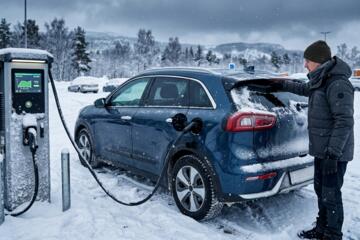
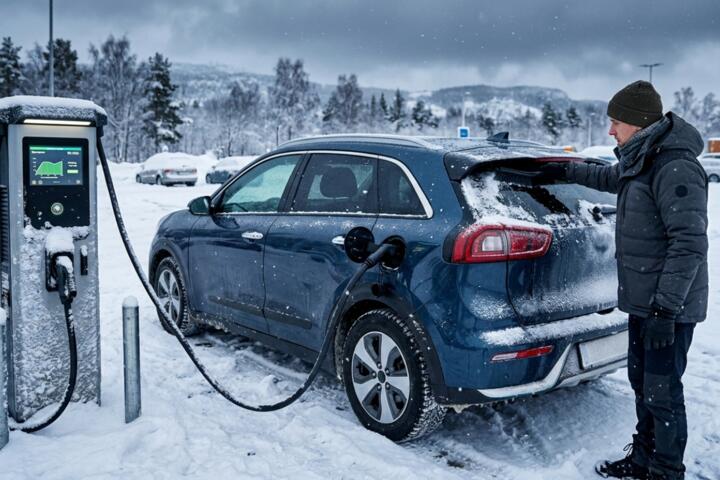
Failing to account for the "Cold Gate" phenomenon at DC fast chargers is another major frustration. If you pull into an Electrify America or IONITY station with a "cold" battery, your charge rate might drop from 150 kW to a measly 30 kW. This triples your dwell time and increases costs if the charger bills by the minute. Neglecting the use of a heat pump, if available, and relying solely on resistive PTC heaters is a tactical error that drains the battery at a rate of 3–5 kW per hour just to keep the cabin at room temperature.
Solutions and Technical Mitigation Strategies
Utilize On-Board Preconditioning via Mobile Apps
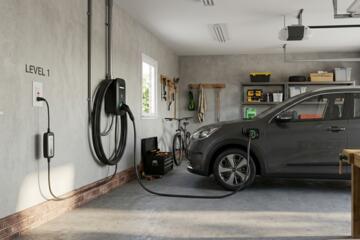
Preconditioning is the single most effective way to claw back lost range. By using the Tesla app, FordPass, or MyBMW app to set a departure time while the car is still plugged into a Level 2 home charger, you pull energy from the grid—not the battery—to warm the pack. This brings the electrolyte fluid to an optimal viscosity before you even shift into drive. Data shows that a preconditioned battery can offer 10–15% more usable range on a sub-zero morning compared to a "cold-soaked" start.
The Efficiency of Heat Pumps Over Resistive Heating
If you are in the market for a vehicle, prioritize models equipped with a heat pump (standard on the Hyundai Ioniq 5, Kia EV6, and newer Tesla Model 3/Y). A heat pump works like a refrigerator in reverse, scavenging waste heat from the powertrain and electronics to warm the cabin. While a resistive heater has a Coefficient of Performance (COP) of 1.0 (1 kW of energy equals 1 kW of heat), a modern heat pump can achieve a COP of 2.0 to 3.0, effectively tripling heating efficiency.
Strategic Use of Micro-Heating for Occupants
Heating the entire volume of air in a cabin is energetically expensive. Instead, use "contact heating." Activating heated seats and a heated steering wheel consumes roughly 50–100 watts, whereas the HVAC system consumes 3,000–5,000 watts. By lowering the ambient cabin temperature to 18°C and relying on seat heaters, a driver can save approximately 2–3 kWh of energy over a long commute, which translates to an extra 10–15 miles of range.
Optimizing Navigation for Battery Thermal Readiness
Modern EVs like the Audi e-tron or Porsche Taycan integrate thermal management into their GPS. When you set a DC fast charger as your destination, the vehicle begins "pre-heating" the battery en route. It intentionally wastes a bit of energy to ensure the battery hits the 30°C to 40°C "sweet spot" by the time you arrive. This ensures you hit the peak charging curve immediately, reducing the time spent sitting in the cold at a charging plaza.
Aerodynamics and Tire Pressure Management
Cold air is denser than warm air, increasing aerodynamic drag. Furthermore, for every 10-degree drop in temperature, tire pressure decreases by about 1-2 PSI. Low tire pressure increases rolling resistance. Using specialized low-rolling-resistance winter tires, such as the Michelin X-Ice Snow or Bridgestone Blizzak LM005, and maintaining them at the manufacturer’s recommended "Cold PSI" can prevent a 3–5% efficiency bleed. Always check pressures in the morning before driving.
Managing Charging Logic and Depth of Discharge
In winter, lithium plating is a risk during high-speed charging of cold cells. To avoid long-term degradation, it is better to charge your vehicle immediately after a drive while the battery is still warm from operation. This is known as "Immediate Charging" rather than "Delayed Charging." Services like Recurrent Auto provide battery health reports that show winter-specific performance curves, helping owners understand their specific vehicle's degradation profile over multiple seasons.
Mini-Case Examples: Winter Performance Realities
A logistics company in Quebec operating a fleet of Ford F-150 Lightnings noticed a 35% drop in range during January, where temperatures averaged -15°C. By installing 11 kW Level 2 chargers at their overnight depot and enforcing a strict "Departure Time" preconditioning protocol, they recovered 18% of that lost range. The cost of electricity for preconditioning was offset by the reduction in mid-day DC fast-charging sessions, which were costing the company 40% more due to "Cold Gate" slow speeds.
In another instance, a Tesla Model 3 Long Range driver in Norway participated in a range test comparing a 2019 model (no heat pump) to a 2021 model (with heat pump). In a 300 km loop at -5°C, the heat pump-equipped vehicle finished with 14% more battery remaining. This highlighted that hardware-level thermal management is often more impactful than driving habits alone, reinforcing the need for buyers in cold climates to check for this specific feature.
Winter EV Maintenance Checklist
| Task | Frequency | Impact |
|---|---|---|
| Precondition via App | Daily (before departure) | +10-15% Range |
| Check Tire Pressure | Weekly | +3-5% Efficiency |
| Use Seat Heaters | Continuous | Reduces HVAC load by 80% |
| Navigate to Chargers | Every trip needing DCFC | Saves 20-40 mins charging time |
| Clear Snow/Ice | Before every trip | Reduces weight and drag |
Common Mistakes to Avoid
One of the most frequent errors is leaving an EV parked for several days with a low State of Charge (SoC) in freezing weather. If the battery drops too low, the BMS might not have enough energy to run the internal heaters, leading to a "deep freeze" that can temporarily brick the vehicle or require a slow tow to a warm garage. Always aim to keep the battery above 20% in winter.
Avoid using "Eco Mode" if it excessively limits the battery heater. While Eco Mode usually helps, some vehicles may prioritize cabin heat over battery health, which is counterproductive for long-term range. Conversely, don't ignore your car's firmware updates. Manufacturers like Rivian and Polestar frequently release Over-the-Air (OTA) updates that optimize thermal algorithms based on real-world fleet data collected during previous winters.
FAQ
Is it safe to charge an EV in freezing temperatures?
Yes, it is safe, as the vehicle's BMS will automatically limit the intake of energy to prevent damage. However, it will be much slower. Using a Level 2 charger at home is the best way to maintain battery health during the winter months.
Do EV batteries lose permanent capacity in the cold?
Generally, no. The range loss in winter is temporary and caused by increased internal resistance and higher auxiliary loads. Once the temperature rises in the spring, your original range will return, provided the battery hasn't suffered from separate degradation factors.
How much does a heat pump actually help?
A heat pump can reduce the energy consumption of the climate control system by 50% to 75% compared to a standard resistive heater. In practical terms, this usually saves between 30 and 50 kilometers of range on a full charge in sub-zero conditions.
Should I park my EV inside a garage?
Absolutely. Even an unheated garage provides a buffer against the wind chill and keeps the battery a few degrees warmer than the outdoor ambient air. This reduces the energy the car must spend on "vampire" drain to keep its systems from freezing.
Will winter tires reduce my EV range?
Yes, winter tires are typically made of a softer compound and have a more aggressive tread, which increases rolling resistance. Expect a 3–8% decrease in efficiency, but this is a necessary trade-off for safety and traction on ice and snow.
Author’s Insight
Having driven electric vehicles through five New England winters, I’ve learned that the "guess-o-meter" on your dashboard is your worst enemy in January. It often overestimates range at the start and then drops precipitously. My best advice is to ignore the "miles remaining" and focus on your "Wh/mi" or "kWh/100km" efficiency metrics. If you see your consumption spiking above 400 Wh/mi, it’s time to dial back the cabin heat and check your tire pressure. Efficiency is won in the small details, not the big gestures.
Conclusion
Managing an electric vehicle in cold weather requires a shift from passive ownership to active energy management. By prioritizing preconditioning while plugged in, utilizing contact heating over cabin air, and leveraging navigation-based battery warming, drivers can effectively neutralize the "winter tax" on their range. The technology exists to make EVs viable in any climate; the key is understanding how to work with the battery's thermal needs rather than against them. Start by checking your tire pressure today and setting your departure schedule in your vehicle's app.