Electric Range Dynamics
The transition from internal combustion to electric propulsion requires a fundamental shift in how we perceive fuel. Unlike a gas tank, which holds a static volume of energy, an EV battery is a living chemical ecosystem. Range isn't just a number on the dash; it is a fluid projection influenced by rolling resistance, aerodynamic drag, and chemical kinetics. When you see a "300-mile" rating on a new Tesla Model 3 or a Hyundai Ioniq 6, that figure is derived from EPA cycles that often fail to account for real-world variables like highway speeds or freezing climbs.
In practice, range is dictated by the efficiency of the inverter and the state of health (SoH) of the battery. For example, driving at 75 mph instead of 65 mph can increase energy consumption by up to 20% due to the exponential nature of air resistance. A study by Geotab, analyzing 6,300 fleet EVs, found that at 20°F (-6°C), an electric car can lose up to 41% of its range if the cabin heater is running on full blast. Understanding these nuances is the first step toward reclaiming control over your itinerary.
Why Range Anxiety Lasts
Most range-related stress stems from "phantom drain" and the "cliff effect." Drivers often make the mistake of treating their EV like a smartphone, charging it to 100% every night and letting it drop to 0%. This behavior accelerates the formation of solid electrolyte interphase (SEI) layers within the battery, permanently reducing its capacity. Furthermore, reliance on Level 3 DC Fast Charging—while convenient for road trips—generates intense heat that can degrade cell chemistry if used as a primary charging method.
The consequences of poor range management are more than just an inconvenience. Frequent deep discharges can lead to voltage sags, where the car may enter "limp mode" despite showing 5-10% remaining. This creates a feedback loop of anxiety. Real-world situations, such as being stuck in a winter traffic jam on I-95, highlight the danger: if your battery is at 15% and you need to keep the heat on for five hours, the chemical overhead of the HVAC system becomes your greatest enemy.
Strategic Optimization
Thermal Preconditioning via Mobile Apps
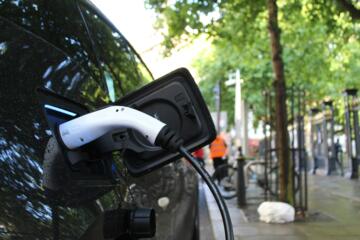
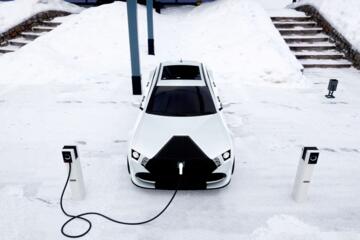
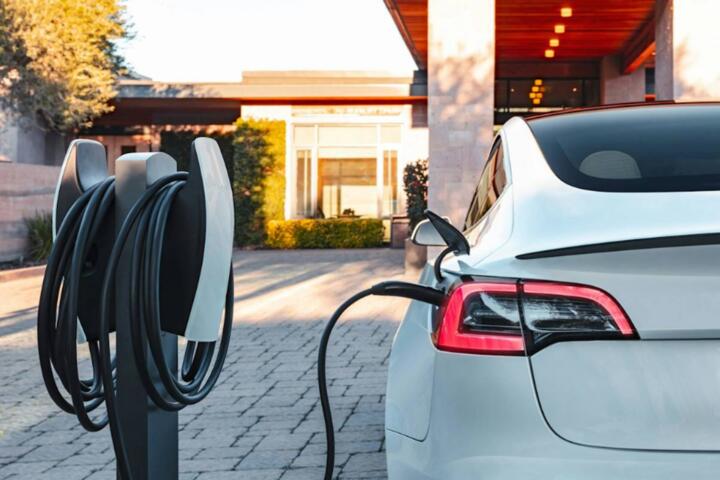
One of the most effective ways to preserve range is to use your vehicle’s app (such as the FordPass or MyTesla app) to precondition the cabin while the car is still plugged into a Level 2 charger. This uses grid power rather than battery power to reach the desired temperature. By warming the battery pack internally before departure, you lower the internal resistance of the cells, allowing for more efficient energy deployment from the moment you hit the road. This can save up to 10-15% of total range in extreme climates.
The 80/20 Rule for Chemical Stability
To maximize battery longevity and maintain a predictable range, stick to the 80/20 rule. Keep the state of charge (SoC) between 20% and 80% for daily use. Charging to 100% puts the battery in a high-voltage state of stress, while dropping below 20% risks cell imbalance. Services like Recurrent Auto provide battery health reports that show EVs maintained within this window retain 5-8% more capacity over three years compared to those frequently maxed out.
Mastering One-Pedal Driving and Regenerative Braking
Regenerative braking is the only way to "refuel" while driving. By switching to high-regeneration mode or "one-pedal" driving, the motor acts as a generator when you lift off the accelerator, feeding kinetic energy back into the battery. In stop-and-go city traffic, this can recapture enough energy to boost efficiency by 25%. Advanced drivers use tools like the OBDII dongle paired with the "A Better Routeplanner" (ABRP) app to see real-time regeneration stats and adjust their braking points accordingly.
Aerodynamic Auditing and Tire Pressure Management
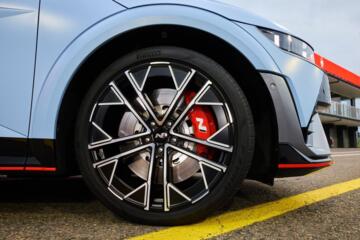
Rolling resistance is a silent range killer. Running tires just 5 PSI below the manufacturer's recommendation can decrease efficiency by 3%. Ensure you are using EV-specific tires, like the Michelin Pilot Sport EV or Pirelli P Zero Elect, which feature specialized compounds and tread patterns to handle the increased weight and torque of electric motors. Additionally, removing roof racks when not in use can improve your drag coefficient (Cd) by up to 15% at highway speeds.
Route Planning with Topography Awareness
Standard GPS systems often ignore elevation changes, which are critical for EVs. A 1,000-foot gain in elevation requires significantly more kWh than a flat stretch. Using tools like PlugShare or ABRP allows you to factor in weather, elevation, and charger availability. For instance, if a route involves a steep mountain pass followed by a long descent, these tools help you calculate how much energy you will gain back on the way down, preventing unnecessary and stressful charging stops.
Managing Ancillary Loads and HVAC Efficiency
Heating the air in a large cabin is incredibly energy-intensive. Most modern EVs, like the Kia EV6 or Tesla Model Y, utilize heat pumps which are 3 to 4 times more efficient than traditional resistive heaters. However, you can further optimize by using heated seats and steering wheels instead of the cabin heater. These contact-based heaters use a fraction of the energy (roughly 500W vs 3000W-5000W for the HVAC system), allowing you to stay comfortable while preserving the main battery for propulsion.
Performance Case Studies
Case Study 1: Fleet Transition in Logistics
A regional delivery firm, "Metro-Express," transitioned its fleet to 50 electric vans. Initially, drivers reported a 30% shortfall in expected range during winter months. The company implemented a mandatory preconditioning protocol and capped top speeds at 62 mph via software limiters. Within three months, the fleet's average efficiency improved from 2.1 miles/kWh to 2.8 miles/kWh, resulting in a 20% reduction in midday charging requirements and a significant boost in delivery reliability.
Case Study 2: Long-Distance Commuter Resilience
An individual driver commuting 120 miles daily in a used Nissan Leaf (with a degraded 40kWh battery) faced severe range anxiety. By switching to low-rolling-resistance tires and utilizing the "B-mode" for aggressive regeneration, they increased their margin of safety from 5% to 18% remaining charge upon arrival. The driver also utilized the "PlugShare" community to find a reliable Level 2 charger near their office, effectively turning a "stress-test" commute into a routine trip.
EV Optimization Checklist
| Category | Action Item | Estimated Range Gain |
|---|---|---|
| Daily Charging | Maintain State of Charge (SoC) between 20% and 80% | 5-10% (Long-term Health) |
| Climate Control | Use heated seats/steering wheel instead of HVAC cabin heat | Up to 15% in Winter |
| Driving Habits | Limit highway speeds to 65 mph (105 km/h) | 10-20% |
| Maintenance | Maintain tire pressure at +2 PSI over standard (if safe) | 3-5% |
| Preparation | Precondition battery while plugged into the charger | 10% in extreme weather |
Vehicle Management Risks
One of the most frequent errors is "opportunistic fast charging." Many new owners plug into a DC fast charger every time they see one, even if they have 60% battery. This is counterproductive. DC chargers throttle speed significantly after 80% to protect the battery, so you spend more time and money for very little gain. It is better to arrive at a fast charger with a low SoC (around 10-15%) where the charging curve is at its peak.
Another mistake is ignoring the impact of weight. Carrying 100 lbs of unnecessary gear in the trunk may seem minor, but in an EV, every pound requires torque to move. For every 100 lbs removed, you can expect a roughly 1% increase in efficiency. Finally, avoid using "Sport Mode" for routine driving. The sharpened throttle response leads to "micro-accelerations" that bleed energy without providing any meaningful travel time advantage.
FAQ
Does frequent DC fast charging actually ruin the battery?
While it doesn't "ruin" it instantly, frequent use (daily) can lead to faster capacity loss due to heat-induced chemical stress. It is best reserved for long trips where Level 2 charging is unavailable.
How much range do I really lose in the winter?
Depending on the model and the use of a heat pump, expect a loss of 20% to 40%. The loss is primarily due to the energy required to heat the cabin and the increased density of cold air.
Is it better to leave my EV plugged in if I'm not using it?
Yes. Most manufacturers recommend "a plugged-in Tesla is a happy Tesla." This allows the onboard Battery Management System (BMS) to draw power from the grid to regulate battery temperature and perform cell balancing.
Will upgrading to larger wheels affect my range?
Significantly. Upgrading from 18-inch to 20-inch wheels on the same vehicle can reduce range by 10-15% due to increased weight and altered aerodynamics.
Should I charge to 100% before a long road trip?
Yes, charging to 100% occasionally for a long trip is perfectly fine. The damage occurs when the vehicle sits at 100% for extended periods. Try to time the charge so you depart shortly after it hits 100%.
Author’s Insight
Having logged over 100,000 miles across various electric platforms, from early compliance cars to modern long-range cruisers, I’ve learned that the "guess-o-meter" is just a suggestion, not a law. The most impactful change I made wasn't technical; it was behavioral. I stopped treating 20% as "empty" and started treating it as my new "base." Once you understand how your specific vehicle reacts to your local topography and weather, the anxiety disappears. My top tip: Always trust a dedicated route planner like ABRP over the car's built-in navigation for long hauls.
Summary
Maximizing EV range and battery life is a balance of proactive maintenance and intelligent driving habits. By prioritizing the 80/20 charging rule, utilizing thermal preconditioning, and refining your aerodynamic profile, you can transform the driving experience from one of uncertainty to one of efficiency. Focus on the data—monitor your tire pressure, understand your charging curves, and use specialized apps to plan for elevation. The future of transport is electric, and with these expert strategies, you are fully equipped to go the distance without hesitation.