Dual-clutch basics for cars
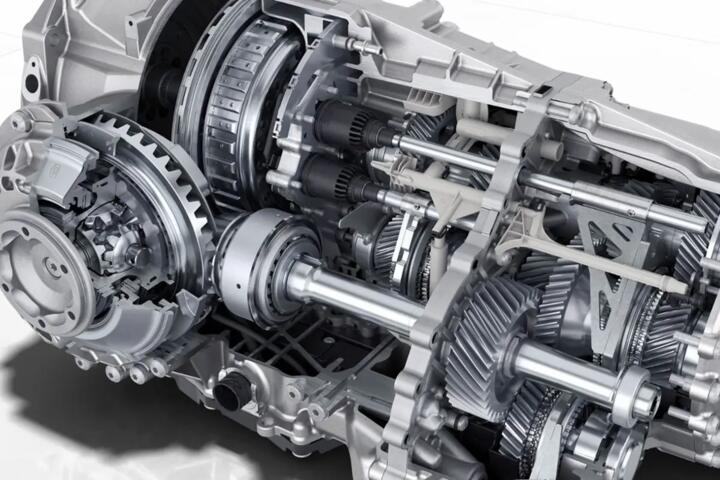
A dual-clutch gearbox (DCT) uses two separate clutches to run odd and even gear sets. One clutch drives gears 1, 3, 5, while the other handles 2, 4, 6. The transmission control unit preselects the next ratio, then swaps torque paths by engaging the other clutch. This design targets faster gear changes than a single-clutch automatic, especially during steady acceleration.
In many DCTs, the shift time is measured in tens of milliseconds, not fractions of a second. That speed matters because the driver feels shift interruption as a brief torque dip. Vehicle type matters because a DCT’s behavior depends on how often the car stops, creeps, and changes throttle in traffic.
Fuel economy also shifts with driving style. For example, a typical EPA combined figure for a gasoline compact with a DCT might land around 30 mpg, but real-world results vary widely with heat, tire choice, and how much time you spend idling in gear. If you commute 25 miles each way with long red lights, clutch slip and heat management become more relevant than peak horsepower.
Skip the brochure numbers. They hide how the clutches run.
What people get wrong
Many buyers assume a DCT always shifts like a race car. In practice, the control strategy changes with load, temperature, and traction conditions. At low speed, the gearbox often behaves like a manual with a computer controlling clutch engagement, which can mean jerky creep if the system is cold or if the software is tuned for smoothness.
Another misunderstanding is that DCTs “never slip.” Clutches do slip during engagement, and they slip more in stop-and-go driving. That slip generates heat in the friction material and in the hydraulic system that controls clutch pressure. Over time, wear shows up as higher engagement effort, shudder, or delayed take-up.
Consequences show up in ownership costs. If a DCT needs a clutch pack or mechatronics repair, labor can be high because the unit is integrated with the transmission case. A typical clutch service on a DCT is not a simple “drain and refill” job, and parts availability varies by model year and drivetrain.
Real-world example: a delivery van that averages 10,000–15,000 miles per year in dense downtown traffic can rack up clutch heat cycles quickly. Fleet managers often see more DCT-related service events than owners who drive 80% highway miles.
Assume the worst. Then plan for heat.
How to live with a DCT
Know the two-clutch split
What to do: treat the gearbox like two gearboxes sharing one housing. The control unit keeps one clutch engaged for the current ratio while the other clutch is ready with the next ratio. Why it works: preselection reduces the time the engine torque is disconnected from the wheels. In practice, you may hear a faint mechanical sound during quick upshifts, especially at low speeds.
Tools/methods: use the car’s drive mode and watch how it behaves in the first 5 minutes after a cold start. Some calibrations hold gears longer in “Eco,” which changes how often the clutches modulate. Numbers/outcomes: the same car can feel smoother or harsher depending on clutch temperature, not just throttle input.
Skip the “it’s broken” panic. Cold behavior is often normal.
Understand creep and clutch heat
What to do: learn how the car creeps at idle and how it responds when you lift off the brake. Why it works: at low speed, the transmission uses clutch slip to meter torque, and slip creates heat. In practice, a DCT may feel more “grabby” when you release the brake quickly on a slope.
Tools/methods: if the car has a temperature gauge or diagnostic app support, check whether symptoms appear only when the transmission is cold. Numbers/outcomes: clutch wear correlates with heat cycles, so short trips with frequent stops usually accelerate wear compared with steady highway driving.
Plan for traffic. Heat is the enemy.
Follow the fluid schedule
What to do: follow the manufacturer’s DCT fluid interval, even if the car has “lifetime” language in marketing. Why it works: DCT hydraulic fluid controls clutch pressure and mechatronics actuation, and degraded fluid can cause delayed engagement or harsher shifts. In practice, you may notice more shift variability as mileage climbs.
Tools/methods: ask the shop to confirm the exact fluid specification and whether they perform a full exchange or a partial drain. Numbers/outcomes: many service schedules land in the 30,000–60,000 mile range for fluid changes, but the correct interval depends on the model and whether it’s a wet-clutch design.
Don’t guess the spec. Wrong fluid can cause slip.
Watch for mechatronics symptoms
What to do: monitor for warning lights, limp mode, or repeated “gear not available” messages. Why it works: mechatronics houses solenoids and sensors that regulate clutch pressure and shift timing. In practice, a failing solenoid can create inconsistent engagement, especially during low-speed maneuvers.
Tools/methods: a scan tool that reads transmission codes helps separate clutch wear from hydraulic control faults. On some cars, the diagnostic trouble codes point to a specific clutch circuit, which changes the repair path. Numbers/outcomes: repair costs vary widely, but mechatronics replacement often costs less than a full clutch pack, so diagnosis matters.
Skip the “reset and hope.” Diagnose first.
Use driving modes with intent
What to do: use Sport or Manual modes when you need predictable downshifts, not just for faster acceleration. Why it works: mode selection changes shift maps, throttle-to-gear logic, and clutch pressure targets. In practice, a Sport mode can reduce hesitation during overtakes, but it can also increase clutch modulation in traffic.
Tools/methods: test the same route twice—once in Eco, once in Sport—and note how often the car changes gears at 20–40 mph. Numbers/outcomes: if your commute includes hills, the mode that holds lower gears longer can reduce repeated clutch cycling, but it may raise fuel use.
Measure your commute. Seat-of-pants lies.
Plan for wear items and labor
What to do: budget for DCT-specific wear and labor, not just routine maintenance. Why it works: clutch packs and seals are wear components, and access can require substantial disassembly. In practice, labor time depends on whether the DCT is integrated with the transaxle and how the drivetrain is packaged.
Tools/methods: ask for a written estimate that breaks out parts and labor hours. Numbers/outcomes: clutch replacement intervals vary by driving style; a car driven gently can go far longer than one used for repeated launches or towing-adjacent loads.
Assume higher labor. Packaging drives cost.
Consider towing and payload limits
What to do: treat towing limits as transmission limits, not just brake or chassis limits. Why it works: towing increases engine load and heat, which raises clutch and hydraulic temperatures. In practice, many DCT-equipped cars have conservative towing ratings, and exceeding them can accelerate wear.
Tools/methods: check the owner’s manual for maximum trailer weight and whether the car requires a transmission cooler. Numbers/outcomes: even within the rating, frequent grade towing can raise clutch slip events, which shows up as hotter engagement and potentially earlier service needs.
Check the manual rating. DCTs run hotter.
Mini case studies: fleet and commuter
Case 1: urban service interval shift
A regional service company ran 12 compact cars with DCTs for 3 years, averaging about 14,000 miles per year. The issue was not drivability complaints at first; it was rising transmission-related warranty claims after 30,000 miles. They tracked events by route and found the highest frequency on routes with long stop-and-go segments.
What they did: they changed driver coaching to reduce repeated hard brake-to-throttle transitions and scheduled earlier DCT fluid service at 30,000 miles instead of the later interval. Result: by year 3, claim frequency dropped by roughly half compared with the first cohort, and fewer cars needed transmission diagnostic visits for engagement complaints.
Skip the blame game. Heat cycles tell the story.
Case 2: commuter clutch shudder
A commuter with a gasoline 2.0-liter DCT-equipped sedan reported shudder during low-speed take-up after 55,000 miles. The car had mostly short trips under 10 miles, with frequent traffic lights. A scan showed no major misfire codes, but the shop found clutch wear indicators trending high and fluid condition degraded.
What they did: they replaced the DCT fluid to the correct specification and inspected for mechatronics faults. The final fix involved clutch pack replacement, and the owner saw smoother engagement immediately after repair. Result: the car returned to consistent creep behavior, and the next 20,000 miles passed without repeat transmission codes.
Assume wear, then verify. Codes prevent wasted parts.
DCT checklist for buyers
| Check | What to look for | Why it matters | Next step |
|---|---|---|---|
| Cold start behavior | Harsh engagement only when cold | Clutch modulation changes with temperature | Test after 10 minutes, not 30 seconds |
| Low-speed creep | Shudder or delayed take-up | Can indicate clutch wear or hydraulic control issues | Scan for transmission codes before purchase |
| Service records | DCT fluid changes documented | Fluid condition affects clutch pressure control | Confirm correct fluid spec and interval |
| Mode logic | Predictable shifts in traffic | Calibration affects clutch cycling frequency | Drive in Eco and Sport on the same route |
| Warranty coverage | Transmission and mechatronics included | Repairs can be expensive out of warranty | Ask for coverage terms in writing |
Common mistakes and fixes
Ignoring low-speed shudder
Why it happens: clutch wear and hydraulic pressure control drift show up first during slow engagement. Impact: the car may start to slip longer, raising heat and accelerating wear. How to avoid it: test in a parking-lot crawl and ask for a transmission scan, not just an engine scan.
Skip the “it will go away” hope. Wear rarely reverses.
Skipping DCT fluid changes
Why it happens: some owners treat DCT fluid like engine oil and follow only the longest interval. Impact: degraded fluid can cause delayed clutch response and harsher shifts, which can lead to further component stress. How to avoid it: match the fluid interval to the manufacturer schedule and confirm the correct specification at the shop.
Wrong fluid is a real risk. Ask for the spec sheet.
Using Sport mode in traffic
Why it happens: Sport mode often holds gears and increases shift aggressiveness. Impact: more frequent clutch modulation can raise heat during stop-and-go driving. How to avoid it: use Sport for short bursts, then return to a calmer mode for commuting.
Try a 15-minute test drive. Note clutch cycling frequency.
Assuming all DCTs behave the same
Why it happens: DCT designs vary by manufacturer, clutch type, and calibration. Impact: a behavior that feels “normal” on one car can be a fault on another. How to avoid it: compare the car’s behavior when warm and check for model-year service bulletins if the symptoms match known issues.
Don’t generalize from one test car. Calibrations differ.
Overlooking towing limits
Why it happens: buyers focus on maximum trailer weight and forget transmission heat. Impact: towing increases load and can push clutch slip events higher, shortening service life. How to avoid it: follow the owner’s manual towing rating and watch for overheating warnings on grades.
Check the grade plan. Heat builds quietly.
FAQ
Do dual-clutch gearboxes shift faster than automatics?
Many DCTs shift quickly because the gearbox preselects the next gear with the second clutch. That reduces the time the engine torque is interrupted during an upshift. The driver feel depends on calibration and conditions: at low speed, the system may modulate clutch slip for smooth creep, which can feel less “instant” than a hard acceleration shift. For a real comparison, drive the same route in the same conditions and compare how the car behaves at 20–40 mph, not only during full-throttle pulls.
Why does a DCT feel jerky in stop-and-go traffic?
Jerky motion usually comes from clutch engagement strategy at low speed. The control unit uses clutch slip to meter torque, and slip increases when the car needs to move from a near-stop or when the driver changes throttle quickly. Cold temperatures can worsen the sensation because friction characteristics and hydraulic response differ when the transmission is not fully warmed. If shudder persists after warm-up, or if the car shows delayed engagement, a scan for transmission codes and a check of DCT fluid condition are the next steps.
How often should DCT fluid be changed?
Intervals vary by model and by whether the DCT uses wet clutches, but many schedules fall in the tens of thousands of miles. Some manufacturers specify a shorter interval for severe use, such as frequent stop-and-go driving. “Lifetime” language often refers to the warranty period, not to a no-service assumption. The practical approach is to follow the owner’s manual and confirm the exact fluid specification at service time. If records are missing, budget for a fluid service and a diagnostic check before you decide on the purchase.
What repairs are most common on DCTs?
Common issues include clutch wear, mechatronics faults (solenoids and sensors), and hydraulic control problems that show up as delayed engagement or repeated shift errors. The exact failure rate depends on the specific transmission design and how the vehicle is used. Repairs can range from a fluid service to clutch pack replacement, and mechatronics work can be costly because of labor time. A pre-purchase scan helps separate clutch wear from control faults, which changes the repair path.
Can a dual-clutch gearbox handle towing?
Some DCT-equipped vehicles have towing ratings, but the limits are often conservative because towing increases heat in the transmission. The key factor is whether the car’s cooling system and transmission calibration keep clutch slip under control. If you tow frequently, look for a factory transmission cooler or towing package and follow the owner’s manual for maximum trailer weight. Watch for overheating warnings and avoid repeated high-load starts on steep grades, since those conditions increase clutch modulation.
Author's Insight
A DCT is not a single “magic” transmission; it is two clutches plus a control system that decides how much slip to use. That decision changes with temperature, throttle, and how often you creep in traffic. When owners report harshness, the root cause often traces back to clutch wear patterns or hydraulic control faults, not to the driver “doing it wrong.” For buyers, the most useful next step is a warm test drive plus a transmission scan, then a review of DCT fluid service history.
Key takeaways
Dual-clutch gearboxes preselect ratios using two clutches, which can reduce shift interruption during acceleration. The tradeoff shows up at low speed, where clutch slip and heat management matter more than peak shift speed. Follow the DCT fluid schedule, test the car warm in stop-and-go conditions, and budget for diagnosis if shudder or delayed engagement appears. If the car is out of warranty or service records are missing, get a pre-purchase scan and ask for a written estimate before committing.
Skip the purchase if warning lights appear or if the transmission codes point to clutch or mechatronics faults. If you already own one and notice persistent shudder after warm-up, schedule a shop inspection promptly, since continued operation can raise wear and repair costs.