How LSD Changes Traction
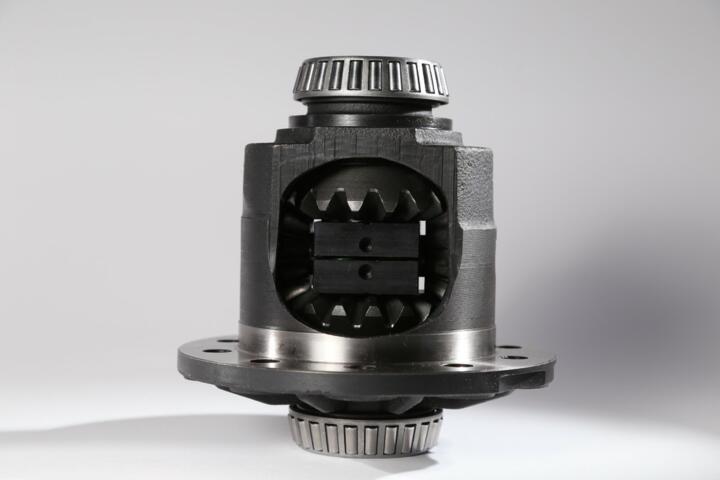
A limited-slip differential is a drivetrain device that limits how much the left and right wheels can spin at different speeds. That matters because open differentials send torque to the wheel with the least grip. In real driving, that shows up on wet ramps, icy parking lots, and rutted gravel where one tire unloads.
Most LSDs are designed around a simple goal: keep torque moving when traction differs across the axle. Many passenger vehicles use an LSD that can react within fractions of a second, but the exact behavior depends on the design and control strategy. A common reference point is that a typical tire can lose most of its usable grip when the tread is unloaded, so wheelspin can happen fast.
Vehicle type changes the payoff. A pickup with a rear axle LSD often sees it during low-speed traction events like pulling into a driveway after rain. A front-drive sedan with an LSD can feel different during hard corner exits because the inside tire tends to unload. A rear-drive sports car may use an LSD to reduce open-diff “inside wheel spin” on throttle.
Industry testing often reports that tire grip limits acceleration more than engine output. For example, many modern performance cars land around 0.5–1.0 g of longitudinal acceleration on dry pavement, then drop sharply on wet surfaces. That grip drop is where an LSD can keep the drivetrain from wasting torque on a spinning wheel.
Skip the marketing terms. The real question is how the LSD limits slip under load.
Common Misunderstandings
People often assume an LSD makes a vehicle “stickier” in every situation. It does not create more tire friction; it redistributes torque so the tire with grip gets more of it. On a fully uniform surface, an LSD can behave close to an open differential, especially at steady speed.
Another misunderstanding is that LSD equals “4WD behavior.” A rear-axle LSD cannot replace the traction advantages of driving both axles. If the front tires are on ice and the rear tires are on dry pavement, the LSD may still leave you with limited overall traction because only one axle is doing the work.
Consequences show up in predictable places. In winter, an open differential can spin one wheel and stop forward progress, even with the other tire still having usable tread. With an LSD, the vehicle can keep moving, but the traction limit still arrives when both tires lose grip. That can change how quickly you reach the point where ABS and stability control intervene.
Financially, LSD choices can affect repair frequency. Clutch-type LSDs can wear friction material over time, while gear-type LSDs can wear differently. If the LSD is integrated with the final drive, a fluid service interval that is too long can accelerate wear and increase noise.
Real-world example: a compact SUV with a rear LSD used for 30,000 miles of winter commuting may need an axle fluid service earlier than the “lifetime” claim on some models. The exact interval depends on the manufacturer, but axle oil that runs hot and contaminated can contribute to chatter and reduced locking behavior.
Skip the assumption that “limited slip” means “no slip.”
Choosing the Right LSD
Clutch LSD basics
Clutch-type LSDs use friction plates to resist speed differences. Under torque load, the plates clamp and transfer more torque to the wheel with grip. In practice, you may feel a slight “pull” when accelerating out of a slow turn on uneven pavement, because the inside wheel is less loaded.
What to do: check whether the vehicle specifies an LSD fluid service and follow the interval. Many clutch LSDs use a special friction-modifier oil; using the wrong fluid can cause chatter. A shop can verify fluid type by reading the service manual or the axle tag, then measure oil condition with a simple drain inspection.
What it looks like: during low-speed maneuvers, some cars show mild engagement noise. That noise can be worse when the oil is cold, and it can fade after a few miles. If chatter persists after warm-up, the plates may be worn.
Numbers matter. A typical axle fluid change might cost $150–$300 in labor and parts, while replacing worn clutch packs can be far more, often $1,500–$3,500 depending on labor rates and whether the carrier must be removed.
Skip the “any gear oil works” habit. Friction behavior depends on the oil chemistry.
Gear-type LSD behavior
Gear-type LSDs use helical gears or similar mechanisms to generate resistance to differential speed. They tend to be more predictable under steady torque, but they can be sensitive to how torque is applied. In practice, they may feel less abrupt than clutch LSDs, yet still reduce one-wheel spin on loose surfaces.
What to do: treat gear-type LSDs like a precision unit. Use the specified axle fluid and avoid mixing brands or viscosity grades unless the manual permits it. A technician can check for metal debris in the drained oil, which can hint at gear wear.
What it looks like: on a test drive, you may notice reduced wheelspin during throttle application on gravel. On dry pavement, the difference from an open differential can be subtle because both tires maintain similar grip.
Maintenance considerations: gear-type LSDs often last longer than clutch packs when fluid is serviced on time. Still, neglected oil can lead to noise and accelerated wear. A fluid service might be $120–$250, while carrier or gear repairs can exceed $2,000.
Skip the idea that gear LSDs never need attention. They still depend on clean oil.
Electronic locking diffs
Some vehicles use an electronically controlled limited-slip or a locking differential strategy. Instead of friction plates alone, sensors and actuators manage torque transfer. In practice, the system may engage more aggressively when it detects wheel-speed mismatch, then relax when traction equalizes.
What to do: learn the system’s behavior in the vehicle’s drive modes. Many cars change how quickly the differential responds in “snow” versus “sport” modes, and the difference can be noticeable during hill starts. If the vehicle has a dedicated traction control button, test it in a safe area so you understand how the system reacts.
What it looks like: you may hear a faint mechanical sound during engagement, and you can see traction control indicators flash. If the system feels inconsistent, scan for drivetrain codes; a wheel-speed sensor fault can mimic LSD problems.
Repair frequency risk: electronic actuators and sensors can fail, and labor can be high because access is tight. A wheel-speed sensor replacement might cost $150–$400 installed, while an actuator or harness repair can run much higher.
Skip the “it’s the differential” guess. A sensor fault can trigger the same symptoms.
Torque bias vs slip limits
Not all LSDs limit slip the same way. Some are designed for torque bias under moderate slip, while others clamp harder when slip increases. That difference affects how the car launches on wet roads and how it behaves when one tire hits a patch of ice.
What to do: compare the LSD type and how it’s described in the vehicle’s technical documentation. If the vehicle lists “clutch LSD” or “helical LSD,” you can infer the general behavior. If it uses an electronically controlled system, look for details on how it integrates with traction control.
What it looks like: a stronger locking strategy can reduce wheelspin but may increase driveline stress during abrupt throttle changes on low-traction surfaces. That can also increase the chance of stability control intervention, which some drivers interpret as “the car fighting them.”
Numbers to watch: some manufacturers publish a torque-bias ratio or a locking threshold, but many do not. When data is missing, you can still infer behavior from how often the traction control light flashes during repeated launches on the same surface.
Skip the “one test drive proves it” mindset. Repeat the same maneuver twice.
Fluid service and wear
Axle fluid is the LSD’s working environment. Heat, water contamination, and metal particles reduce friction performance in clutch packs and increase wear in gear sets. Many owners skip the axle service because it is not as visible as engine oil changes.
What to do: check the maintenance schedule for the rear differential and transfer case if applicable. If the vehicle tows, sees off-road dust, or lives in salted winters, shorten the interval. A fleet manager often tracks axle oil condition by sampling at set mileage, because axle wear correlates with contamination.
What it looks like: degraded oil can cause chatter on takeoff, delayed engagement, or a “grinding” feel when turning. A technician can confirm by checking oil level, looking for burnt smell, and inspecting for debris on the magnet.
Ownership cost angle: if you service axle oil every 30,000–50,000 miles instead of waiting 80,000 miles, you may prevent a $2,000–$4,000 repair. Exact savings vary by model, but the cost gap between routine service and carrier repair is consistent.
Skip the “lifetime fluid” label without verifying the warranty and schedule.
Warranty and parts reality
LSD repairs often involve the differential carrier, bearings, seals, and sometimes the axle shafts. Warranty coverage depends on the powertrain terms and whether the failure is classified as wear versus defect. Some manufacturers cover differential components longer than basic bumper-to-bumper coverage, but the details vary by region.
What to do: read the warranty booklet for “differential” and “axle” coverage, then confirm whether fluid service is required to keep coverage valid. If you have a service history, keep receipts; shops can document fluid type and mileage.
What it looks like: if a clutch LSD chatters after a fluid change with the wrong friction modifier, warranty claims can get complicated. A careful shop will match the fluid spec to the LSD design.
Numbers to plan around: a differential seal job might be $300–$800 installed, while a full carrier replacement can exceed $3,000. Labor rates and parts pricing swing widely, so quotes should be model-specific.
Skip the guesswork. Ask for a written parts-and-labor estimate.
How it affects driving feel
LSD behavior changes how power transfers during cornering and traction events. In a front-drive car, torque transfer can influence steering feel because the transaxle and axle shafts share loads. In a rear-drive car, the effect can show up as reduced inside-wheel spin when you apply throttle mid-corner.
What to do: test on a safe surface with consistent traction, like a damp parking lot with painted lines. Do a gentle launch and then a firmer one, watching for traction control activity. If the vehicle has selectable modes, compare “normal” and “snow” behavior.
What it looks like: a clutch LSD may feel more active at low speeds, while a gear-type LSD can feel more consistent under steady torque. Electronic systems can vary by mode and may engage more quickly when wheel-speed mismatch is detected.
Road-trip comfort matters too. If an LSD causes chatter, it can be more noticeable at parking-lot speeds and in cold weather. That is not a safety issue by itself, but it can become a nuisance and a sign of wear.
Skip the assumption that “more locking” always feels better.
Mini Case Examples
Fleet SUV winter traction
A regional delivery company ran 18 compact SUVs with rear-axle LSDs for winter routes. The problem was frequent traction-control intervention on slushy ramps, which slowed deliveries and increased tire wear on the spinning side. The fleet manager shortened axle fluid service intervals from 60,000 miles to 35,000 miles and switched to the exact friction-modifier spec listed for the LSD.
Result: after 20,000 miles, the average number of traction-control events per route dropped, and the company reported fewer complaints about delayed pull on icy starts. Tire wear also evened out; the left-right tread depth difference at rotation time fell from about 4–5 mm to around 2–3 mm. Total axle service cost rose by roughly $2,000 across the fleet, but the tire replacement cycle improved enough to offset it.
Skip the idea that fluid alone fixes a worn LSD. It helped because the units were still within normal wear.
Pickup towing axle noise
A small contractor used a half-ton pickup with a clutch-type rear LSD for towing and gravel access roads. The issue was a low-speed chatter and a mild vibration when pulling away, especially after the truck sat overnight. The shop inspected the axle oil, found metal debris on the magnet, and replaced the axle fluid with the correct spec, then checked for leaks at the seals.
What they did next: they replaced the worn friction material during a carrier service rather than waiting for a complete failure. The work cost about $2,400 in parts and labor, and the truck returned to service the same week. Over the next 25,000 miles, the contractor reported stable towing behavior and no recurrence of chatter, and the tires wore more evenly.
Skip waiting for “one more season” when the oil shows metal. That debris can accelerate bearing wear.
LSD Checklist for Buyers
| What to check | Why it matters | What to ask the seller | Practical target |
|---|---|---|---|
| LSD type | Clutch, gear, and electronic systems behave differently | “Is it clutch or helical, and is it electronically controlled?” | Match your traction needs to the design |
| Axle fluid interval | Oil condition affects locking behavior and wear | “When was the last rear diff service, and what spec oil?” | Service history within the schedule |
| Cold-start behavior | Chatter can indicate worn clutches or wrong fluid | “Does it chatter at low speed after sitting?” | No persistent noise after warm-up |
| Traction-control frequency | Shows how often the system hits limits | “How often does the light flash on wet launches?” | Consistent behavior across repeats |
| Warranty terms | Differential repairs can be expensive | “Does the warranty cover differential components, and what service is required?” | Coverage confirmed in writing |
Common Mistakes and Fixes
Buying for “more grip”
Why it happens: LSD marketing often frames it as traction improvement. Impact: the tires still set the limit, so you can end up overconfident on ice. How to avoid it: test on a damp surface and watch for ABS and stability control activity during repeated launches.
Skip the assumption that an LSD prevents skids. It reduces one-wheel spin, not friction loss.
Ignoring axle fluid specs
Why it happens: owners treat the differential like regular gear oil. Impact: wrong friction modifiers can cause chatter or delayed locking, and metal debris can accelerate wear. How to avoid it: ask for the exact oil spec number and confirm it matches the LSD type.
Skip “good enough” fluids. The friction chemistry matters.
Overlooking sensor-driven systems
Why it happens: symptoms like wheelspin and uneven traction point to the differential. Impact: a wheel-speed sensor fault can trigger traction control and mimic LSD problems. How to avoid it: scan for codes and verify wheel-speed readings before authorizing differential work.
Skip the parts cannon approach. Diagnose first, then quote.
Delaying service after noise
Why it happens: chatter can sound minor at low speed. Impact: continued operation can damage bearings and seals, raising repair cost. How to avoid it: if noise persists after warm-up, schedule an axle inspection and oil analysis.
Skip waiting for a leak to appear. Early inspection costs less.
Assuming all LSDs behave the same
Why it happens: buyers compare only the “LSD” label. Impact: clutch, helical, and electronic systems respond differently to throttle and cornering loads. How to avoid it: compare the LSD type and test in the same maneuver twice, in the same drive mode.
Skip the single-run test drive. Repeat the maneuver.
FAQ
Does an LSD improve braking traction?
An LSD mainly affects how torque transfers during acceleration and deceleration, not how the brakes generate friction. During braking, the wheels slow at different rates because of grip differences, and ABS manages that. Some LSD designs can still change how the driveline resists speed differences when you lift off or apply light throttle while braking, which can influence stability control behavior on slippery roads. If you notice pulling to one side under braking, treat it as a brake or tire issue first, then scan for ABS and wheel-speed codes.
Will an LSD wear out faster?
Clutch-type LSDs can wear friction material over time, especially with frequent low-speed wheelspin, towing, or repeated launches on loose surfaces. Gear-type LSDs wear differently, but neglected axle oil can still accelerate bearing and gear wear. Electronic systems add sensors and actuators that can fail independently. The practical approach is to follow the axle fluid schedule, use the correct oil spec, and address chatter or metal in the drained oil early. That reduces the chance that wear progresses from friction material to bearings.
Can I add an LSD to my car?
Retrofitting an LSD is rarely a simple bolt-on. The differential carrier, axle shafts, wiring, and sometimes the transmission control strategy must match the vehicle. Even when parts exist, the labor cost can approach or exceed the cost difference between trims that already include the LSD. If you’re considering a retrofit, ask for a written parts list tied to your exact VIN and confirm compatibility with the vehicle’s stability control and traction control calibration.
How do I tell if my car has an LSD?
On many cars, the easiest method is to check the build sheet or the axle code in the service documentation. Some vehicles label it in the trim description, but labels vary by market. You can also inspect the differential cover and look for markings, though that requires disassembly. A shop can confirm by checking the differential type during service. If you’re buying used, ask for service records that mention “rear differential” and the oil spec used.
Is an LSD worth it for snow driving?
An LSD can help when one tire loses grip and the other still has usable tread, which is common on uneven snow coverage. It can reduce the “stuck wheel” effect on rutted roads and slushy driveways. It does not replace winter tires, and it does not prevent loss of traction when both tires are on ice. For snow use, prioritize tire choice and correct axle fluid service. If your vehicle also has traction control and ABS, confirm that the system behaves normally during a safe test on a low-speed snowy patch.
Author's Insight
LSDs manage torque distribution, not friction. The difference between clutch, helical, and electronically controlled designs shows up in how quickly the car reacts when one wheel unloads. Axle fluid service is a recurring theme because the LSD’s internal friction surfaces depend on oil chemistry and cleanliness. When buyers complain about chatter or inconsistent traction, diagnosis often starts with fluid spec and wheel-speed sensor data, then moves inward.
Skip the “LSD equals magic” expectation. The best results come from matching the LSD type to your traction pattern and keeping the axle oil correct.
What to Remember
Limited-slip differentials reduce one-wheel spin by limiting speed differences across an axle, which can improve launches and corner exits on mixed-grip surfaces. The benefit depends on LSD type, vehicle layout, and how often you encounter traction imbalance. Maintenance matters: use the specified axle fluid and address chatter or metal debris early, because repairs can be expensive.
Next steps: confirm the LSD design in the spec sheet, verify the last rear differential service mileage and oil type, and test drive on a consistent wet or loose surface while watching traction-control behavior. If you see persistent noise after warm-up or warning lights, scan codes and have the axle inspected before assuming the differential is the only cause.
Limits: an LSD cannot create grip, and it does not replace winter tires or the traction advantages of all-wheel drive. If you’re unsure about diagnosis or repair scope, ask for a written estimate and a clear plan for inspecting sensors and fluid condition first.