Sport Driving Basics
Manual and automatic gearboxes affect how quickly a car responds to throttle and how consistently it holds a chosen gear under load. In sport driving, that response matters more than many buyers expect because gear selection controls engine braking, traction at corner exit, and heat buildup. A common benchmark is 0–60 mph: a modern 2.0L turbo with a fast automatic often reaches it in the low 5-second range, while a manual version may be similar or slightly slower depending on shift skill and gearing.
Transmission choice also changes how often you touch the car. Manual cars require clutch work every time you slow for a turn, and automatics shift based on programming, sensors, and fluid temperature. Automatic transmissions also have different architectures: torque-converter automatics, dual-clutch transmissions, and continuously variable transmissions, and each behaves differently when you ask for repeated acceleration.
Fuel economy is another hard number. Many EPA tests show manuals averaging a few percent better than automatics in the same model line, but the gap varies by engine and whether the automatic has a lock-up torque converter strategy. A 10% difference in city mpg can translate to hundreds of dollars over 30,000 miles, depending on local fuel prices.
Vehicle type matters because sport driving loads the drivetrain differently. A compact sport sedan with a 2.0L turbo and 8-speed automatic sees frequent downshifts on hills, while a pickup with a 3.5L V6 and 8-speed automatic may spend more time in torque-converter lock-up during towing. The same transmission type can feel “sporty” on one platform and busy on another, due to final drive ratios and shift calibration.
Skip the brochure claims. They rarely mention shift latency under heat.
Where Buyers Get Stuck
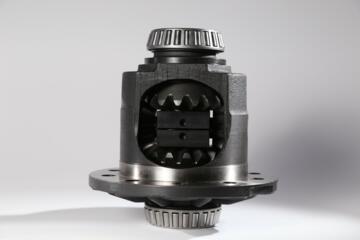
People often assume the transmission is the only variable in sport driving. In reality, the gearbox interacts with engine mapping, traction control calibration, and the vehicle’s differential setup. A manual can feel slow if the car’s gearing forces a downshift every time you exit a corner, while an automatic can feel “late” if it waits for a throttle threshold before dropping a gear.
Another mistake is treating “sport mode” as a guarantee. Many sport modes change shift points, throttle mapping, and torque management, but they still protect the transmission with temperature limits. When the fluid gets hot, even a performance automatic may refuse aggressive downshifts, and the car will behave more conservatively.
Financial consequences show up in wear items. Manual cars wear a clutch disc, pressure plate, and release components; automatic cars wear torque-converter lock-up clutches, solenoids, and internal friction elements. Repair frequency depends on driving style and maintenance, but a clutch replacement is a common manual expense, while automatic repairs are rarer yet can be expensive when they happen.
Real-world situations expose the differences. On a weekend mountain drive, a manual driver may downshift 20–40 times over 2–3 hours, which increases clutch heat and can shorten clutch life if the driver rides the pedal. An automatic driver may see frequent downshifts too, but the car spreads the work across hydraulic control and friction elements, and the driver’s main job becomes managing throttle so the transmission doesn’t hunt gears.
Skip the “it’s just preference” mindset. Heat management changes the outcome.
How to Choose, with Specifics
Match shift behavior to use
Pick the transmission that matches your sport route. If your driving includes long climbs and repeated braking, an 8-speed torque-converter automatic with frequent lock-up can keep the engine in a usable rpm band without constant clutch work. If your route is short and technical, a manual can let you preselect gears and control engine braking precisely, which can reduce brake pedal use.
In practice, look for how the car behaves during repeated downshifts. A manual will always drop to the gear you select, while an automatic may delay by 0.2–0.6 seconds depending on calibration and throttle position. That delay can matter when you’re trying to settle the car before turn-in.
Use a test drive with a stopwatch. Do 3–5 braking-to-acceleration cycles and note whether the automatic hunts gears.
Plan maintenance around wear
Manual maintenance centers on clutch replacement and fluid checks. Many manufacturers specify a clutch hydraulic fluid service interval for cars with hydraulic systems, and engine oil changes still matter because clutch engagement depends on correct engine torque delivery. Clutch life varies widely; aggressive launches and high rpm clutch slips shorten it.
Automatic maintenance centers on transmission fluid service. Some automatics use “lifetime” fluid claims, but real service intervals are often closer to 30,000–60,000 miles for severe use, especially if the car sees repeated high-load driving. Dual-clutch transmissions also need fluid changes, and they may use different fluid types than torque-converter units.
Check the owner’s manual for fluid type and interval. Then ask the service department what they recommend for track days.
Budget for likely repairs
Manual repairs are often predictable. A clutch job can include parts plus labor, and the total cost depends on whether the flywheel needs resurfacing or replacement. Automatic repairs are less frequent, but when they occur, they can involve solenoids, valve bodies, or internal clutch packs.
For a practical budget, get two quotes before you buy. Ask for a clutch replacement estimate on the manual version and a transmission service estimate on the automatic version, then compare the “known costs” over the first 3 years. If the automatic requires an earlier fluid service due to your driving, that cost shows up sooner.
Skip the “lifetime” wording. Ask what “severe service” means for that model.
Evaluate heat and gear hunting
Sport driving creates heat in both systems, but the heat path differs. A manual concentrates heat at the clutch during slips, while an automatic concentrates heat in the fluid and friction elements during repeated engagement and lock-up cycling. Gear hunting happens when the transmission can’t decide between two ratios, often during partial throttle on rolling roads.
To test this, drive at 25–45 mph with light throttle, then apply moderate throttle for 2–3 seconds and release. A well-calibrated automatic will hold a gear longer; a poorly matched one will oscillate, which increases shift frequency and heat.
Bring a scan tool if you have one. Even a basic OBD-II reader can show transmission temperature on some models, and that data changes how you judge “sport mode.”
Consider traction and launch control
Manual launches depend on clutch slip control and traction control intervention. If the car uses launch control, it may still require a specific clutch procedure, and the system may limit rpm to protect driveline components. Automatic launch control can manage torque delivery more consistently because the transmission can pre-stage clutch pressure.
In practice, the difference shows up on wet pavement. A manual can be very controllable with careful pedal work, but it also invites mistakes when the driver is tired or distracted. An automatic can reduce driver workload, yet it may still spin if the traction system prioritizes stability over acceleration.
Try the same acceleration on dry and wet roads. If the automatic feels “too eager,” it may be shifting before traction is settled.
Check towing and driveline stress
Sport driving isn’t towing, but many buyers mix both. Torque-converter automatics often handle towing with lock-up strategies that reduce slip, while manuals can keep engine braking available without relying on hydraulic control. Still, towing increases transmission heat, and repeated downshifts can raise fluid temperature quickly.
Look at the vehicle’s towing capacity and the transmission type’s role in cooling. Some performance sedans and SUVs use auxiliary coolers; others rely on the radiator circuit. If you plan to tow 3,000–7,000 lb, ask whether the automatic has an external cooler and whether the manual has a separate transmission oil cooler.
Skip assumptions. Ask for cooler layout details in the service manual or parts catalog.
Fuel-cost comparisons that matter
Fuel economy differences come from shift strategy and torque converter lock-up. Manuals often keep the engine closer to the driver-selected rpm, which can improve efficiency if you drive smoothly. Automatics can be efficient when they lock the torque converter early, but they can waste fuel if they keep slipping during frequent throttle changes.
Use a simple estimate. If a manual averages 28 mpg combined and an automatic averages 26 mpg combined, the difference is about 2.3 gallons per 10,000 miles. At $3.50 per gallon, that’s roughly $80 per 10,000 miles, before considering maintenance differences.
Don’t ignore insurance. Some insurers rate manual cars differently due to theft patterns and repair costs, and the difference can be noticeable in certain ZIP codes.
Test cabin practicality under sport use
Sport driving often means frequent braking and steering corrections, which changes how you use the cabin. Manuals add a third pedal and a gear lever, which can affect legroom comfort for taller drivers and can be harder for passengers who want to rest their feet. Automatics free the driver’s left foot, which some people prefer during long sessions.
Child-seat compatibility is also part of “sport buyer reality.” If you have a rear-facing seat, the center console shape and shifter position can affect how easily you install and adjust the seat base. In some cars, the manual’s shifter boot and console height reduce access to the rear seat belt path.
Check rear-seat access with the actual seat. A 30–40 minute install test beats guessing from photos.
Mini Case Studies
Fleet manager: sport commute
A small delivery company ran two versions of the same compact sport sedan: one manual, one 8-speed automatic. The route included 18 miles of stop-and-go plus 6 miles of rolling hills, with repeated hard accelerations to meet tight delivery windows. After 18 months, the automatic averaged about 1.5 mpg lower in real fuel logs, but the driver-reported fatigue was lower because fewer clutch engagements were needed.
They changed strategy after 9 months. They scheduled transmission fluid service on the automatic at 35,000 miles instead of waiting for the “lifetime” claim, and they replaced clutches on the manual at around 55,000 miles due to slip complaints. Total drivetrain-related spend over 30,000–60,000 miles ended up within a few hundred dollars between the two, but the timing differed: clutch costs arrived earlier on the manual.
Result: the automatic reduced driver complaints, while the manual required more frequent pedal-related maintenance planning. The fleet manager also tightened shift training for manual drivers, which reduced clutch slip events.
Enthusiast: weekend mountain runs
A buyer used a turbocharged 2.0L sport hatchback for weekend mountain drives with repeated braking and acceleration. The automatic version showed gear hunting during partial throttle on downhill segments, which increased shift counts and made the car feel busy. The buyer switched to a manual for more direct engine braking control and to avoid the transmission oscillating between gears.
After 12,000 miles, the manual clutch showed early wear signs, especially after wet-weather runs where the driver used more clutch slip to keep traction. The buyer adjusted technique—more throttle commitment and fewer “hover” moments at engagement—and the clutch wear slowed. Fuel economy improved by about 1–2 mpg compared with the automatic’s logged average, but the difference depended on how often the driver used high rpm.
Result: manual control helped on descents, yet clutch heat became the limiting factor. The buyer also started using a higher-quality clutch fluid bleed schedule, which reduced pedal feel complaints.
Checklist for Your Test Drive
| Check | Manual | Automatic | What to note |
|---|---|---|---|
| Downshift response | Instant to selected gear | May delay 0.2–0.6s | Count the delay during braking-to-exit |
| Gear hunting | No hunting if you hold gear | Can oscillate on partial throttle | Try 25–45 mph light throttle |
| Heat limits | Clutch slip heats disc | Fluid temp limits aggressive shifts | After 10 minutes, repeat the same pull |
| Maintenance timing | Clutch wear varies | Fluid service interval matters | Ask for severe-use interval in writing |
| Ownership cost risk | Predictable clutch job | Less frequent, higher-cost repairs | Get two quotes before purchase |
Skip the test drive that lasts 12 minutes. It hides heat and hunting behavior.
Common Mistakes and Fixes
Buying based on shift feel alone is the first trap. A manual’s clutch can feel light in the showroom, then wear changes pedal effort after 20,000–40,000 miles. Avoid it by asking for the clutch hydraulic service history and by checking whether the car uses a dual-mass flywheel, which can affect noise and wear.
Another mistake is ignoring warranty terms. Some warranties cover transmission components but exclude wear items like clutches, and coverage can differ between manual and automatic. Avoid it by reading the warranty booklet for “wear and tear” language and by confirming whether transmission fluid service is required to keep coverage active.
Skip the “sport mode fixes everything” habit. Sport mode often raises shift aggressiveness, which can increase heat and shift frequency. Avoid it by testing sport mode for 10 minutes, then repeating the same maneuver in normal mode to see whether the behavior changes or just gets louder.
People also underestimate how driving technique changes outcomes. A manual driver who slips the clutch at every stop can cut clutch life dramatically, while an automatic driver who keeps modulating throttle near the shift boundary can trigger gear hunting. Avoid it by choosing a consistent throttle style during the test drive and by observing whether the transmission holds a gear for more than a few seconds.
Finally, don’t ignore resale patterns. In some markets, manual versions hold value better because of enthusiast demand, while automatics sell faster due to broader accessibility. Avoid it by checking recent listings for the exact model year and trim, then comparing mileage and condition rather than assuming one transmission type always depreciates less.
FAQ
Which transmission is faster?
Speed depends on the car’s calibration, gear ratios, and traction control strategy, not just the transmission type. In many production models, a well-programmed automatic can match or beat a manual in straight-line acceleration because it can keep the engine in the optimal torque band and manage clutch pressure precisely. Manuals can be competitive when the driver shifts quickly and consistently, but shift timing varies with experience and fatigue. For a real comparison, compare 0–60 mph and quarter-mile times from the same engine and drivetrain, then verify how the car behaves after repeated pulls.
Do automatics overheat during sport driving?
They can, but the mechanism differs from a manual. Torque-converter automatics rely on transmission fluid for hydraulic control and friction elements for lock-up; repeated downshifts and high throttle can raise fluid temperature. Dual-clutch transmissions also use fluid and clutch packs, and they may protect themselves by limiting aggressive shifts when hot. You can’t predict overheating from the brochure. During a test drive, repeat the same acceleration and braking sequence after 10–15 minutes and watch for changes in shift behavior or harshness that suggest heat management kicking in.
Is a manual cheaper to own?
Often, but not always. Manual ownership costs can be predictable because clutch replacement is a known wear item, and it tends to be scheduled around mileage and driving style. Automatic ownership costs can be lower in the early years if the car is maintained with correct fluid service, yet repairs can be expensive if internal components fail. The deciding factor is your maintenance discipline and how you drive. Ask for the recommended transmission fluid interval for the automatic and the clutch wear expectations for the manual, then compare likely costs over 3–5 years.
Which is better for wet roads?
Both can work well, but the driver workload differs. Manuals can be very controllable if you manage clutch engagement and throttle smoothly, yet they invite mistakes that cause wheelspin when the clutch slips too much. Automatics manage torque delivery through traction control and shift logic, which can reduce driver error, but they can still spin if the calibration prioritizes stability over acceleration. Test on a safe wet surface if possible, or simulate with gentle throttle and observe whether the transmission hunts gears. The best choice is the one that keeps traction consistent for your technique.
Should I buy for track days?
Track use changes the transmission’s duty cycle. Manuals can handle repeated downshifts, but clutch slip and heat buildup become the limiting factor if you drive aggressively at low speed. Automatics can be durable, yet repeated high-load shifts can stress fluid and internal clutches, especially without an auxiliary cooler. If you plan track days, confirm whether the car has a transmission oil cooler, what fluid type it uses, and whether the warranty covers track use. Then plan for more frequent fluid service than the normal schedule.
Author's Insight
Manual transmissions reward planning: you choose the gear before the corner, so engine braking and throttle response match your intent. Automatic transmissions reward consistency: the car selects gears based on sensors and calibration, which can reduce driver workload but can also create gear hunting on partial throttle. The biggest measurable difference for sport driving is how each system handles heat—clutch heat in manuals, fluid and friction heat in automatics. I’d treat “sport mode” as a starting point, then judge the car after 10–15 minutes of repeated braking and acceleration, because that’s when the calibration shows its limits.
Skip the assumption that one type is always cheaper. Ownership cost depends on fluid service discipline, clutch wear patterns, and how often you push the drivetrain beyond normal commuting.
What to Remember
Choose the transmission that matches your sport driving pattern and your tolerance for maintenance. Manuals give direct gear control and predictable downshifts, but clutch wear can arrive sooner if you slip the clutch often. Automatics reduce pedal workload and can be fast in straight-line pulls, yet they depend on correct fluid service and can limit aggressive behavior when hot.
Next steps: test the same route twice, once with normal driving and once with sport mode, then repeat after 10–15 minutes. Get written answers on transmission fluid intervals, warranty exclusions for wear items, and whether the car has an auxiliary cooler if you plan hard use. If you notice shudder, delayed engagement, or harsh shifts that persist after a warm-up, schedule a diagnostic with a transmission-capable shop rather than continuing to drive it hard.
Limits exist for both types. A manual can still be slow if gearing forces constant downshifts, and an automatic can still feel inconsistent if calibration hunts gears. Seek professional inspection if the car shows abnormal noises, metal debris warnings, or persistent diagnostic trouble codes.