Impact of Third Rows
Third-row seating typically reduces rear cargo space because it occupies room that would otherwise store luggage or gear. For example, a midsize SUV with three rows might offer 15 to 20 cubic feet behind the third row, while that same vehicle with only two rows open could have double or more. A 2023 Honda Pilot offers about 16.5 cubic feet behind the last row, but removing those seats expands volume to 46.8 cubic feet.
Think of cargo space as a finite real estate: adding more seats steals from storage. Some vehicles try to mitigate this by folding or sliding the third row. In some models, the seats fold flat; in others, they may split and stow partially, changing the effective volume depending on seat arrangement.
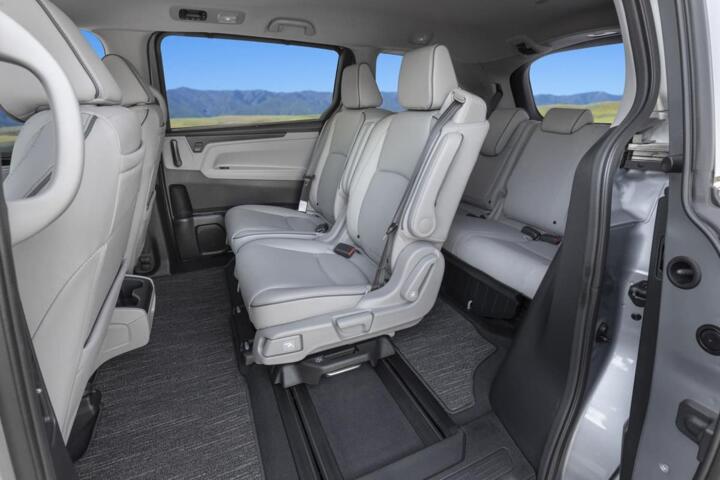
Minivans like the Toyota Sienna or Chrysler Pacifica have better rear cargo room with all three rows up, at around 32 cubic feet, thanks largely to their boxier shape. Still, even with that advantage, the cargo area shrinks sharply compared to models with no third row.
Common Cargo Issues
Many buyers overlook that a third row's presence can halve or more the available cargo capacity. Once seats are up, bulky items like strollers, large coolers, or multiple suitcases often will not fit behind the last row. This mismatch shows up on road trips or school runs when cargo volume suddenly matters.
Overpacking becomes a regular frustration. You might see SUVs overloaded outside because internal room vanished. Worse, some try to push loads into tight spaces, risking damage or passenger discomfort later.
Lack of cargo space can force leaving the third row empty—even if intended to carry more people, the trade-off leads owners to choose fewer passengers or less gear. That undermines the core reason for third-row seats in the first place.
Extra seats sometimes complicate loading too. Folding mechanisms vary widely; unfamiliar or stiff seats add time and hassle just to gain a bit more space.
Practical Solutions
Fold-Flat Seating
Choose vehicles with fold-flat third rows to maximize cargo when seats are not in use. Flat floors with seats folded down ease loading irregular or bulky objects. The 2022 Ford Explorer offers a fold-flat third row that converts 18.2 cubic feet behind the seats into 57.8 cubic feet total cargo volume, vastly expanding capacity.
Adjustable Seat Configurations
Look for split-folding third rows (usually 50/50 or 40/20/40 splits). These allow passengers and cargo to co-exist, folding part of the row down for space while retaining partial seating. Volkswagen Atlas has a flexible setup, letting you carry one or two passengers in the back while freeing up half the space behind.
Sliding Seats
Sliding third-row seats offer incremental space control. They can move forward or backward to create extra legroom or cargo volume on demand. The Kia Telluride’s third row slides forward to free about 3 cubic feet more cargo space when sitting empty.
Roof Cargo Solutions
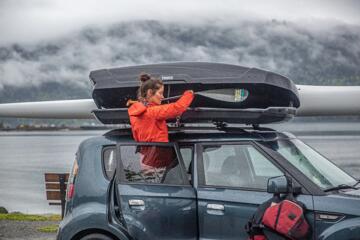
Installing roof racks or cargo boxes supplements limited rear space. Roof boxes add 15–20 cubic feet, but remember they affect fuel efficiency and need secure mounting. Brands like Thule and Yakima specialize in reliable designs. This option helps with overflow without compromising interior volume.
Underfloor Storage
Some SUVs and minivans integrate underfloor compartments beneath or around the third row. These offer hidden spaces for smaller items like emergency kits or groceries, freeing traditional cargo space. It's a neat workaround. The Subaru Ascent includes such compartments, adding about two cubic feet of concealed cargo room.
Careful Trip Planning
Balance seat and cargo needs before departure. For example, if the entire third row isn’t needed, fold it down to optimize storage. Weigh passenger load versus cargo early—adjusting plans can save wasted space or stress later.
Use Collapsible Gear
Swap bulky fixed containers for collapsible bins or soft bags that can compress when not fully loaded. This flexibility suits vehicles whose cargo space fluctuates with seat position.
Smart Loading Techniques
Load heavy and bulky items low and toward the front of cargo space to maintain center of gravity and avoid intrusions into passenger legroom. This method, often ignored by new SUV owners, helps keep vehicle control and balance.
Aftermarket Modifications
Aftermarket sliding cargo trays, organizers, or seat-up cargo extenders can boost usable space or make packing more efficient. These require some budget but help owners maximize their vehicle’s fixed dimensions over time.
Real-World Experiences
A regional delivery fleet in Ohio equipped with seven-passenger SUVs initially struggled with daily loads because they needed cargo and seats simultaneously. They switched to models with fold-flat third rows—specifically 2021 Toyota Highlanders—and improved load capacity by 30%. Operation costs dropped as trips consolidated better.
Another case involved a family in Portland who bought a 2023 Volvo XC90 with a complex 7-seat setup. They rarely used the third row but disliked the cramped cargo space. By investing in a roof rack and developing a habit of folding rows during errands, they improved daily usability, saving over 15 minutes a day loading and unloading—a small gain, but cumulative.
Space Options Checklist
| Feature | Benefit | Example | Cargo Gain |
|---|---|---|---|
| Fold-flat seats | Max space when unused | Ford Explorer | ~40 cubic feet |
| Split folding | Mixed passenger/cargo | VW Atlas | Varies by config |
| Sliding seats | Adjust space vs legroom | Kia Telluride | +3 cubic feet |
| Roof cargo | Extra external storage | Thule boxes | ~20 cubic feet |
| Underfloor space | Hidden storage | Subaru Ascent | ~2 cubic feet |
Avoid These Pitfalls
Don’t buy third-row vehicles assuming cargo space remains comparable to two-row models. Many SUVs drastically cut usable rear space with seats up. Failing to test actual cargo volume with seats deployed leads to surprises that waste time.
Avoid ignoring folding mechanisms. For instance, some third rows fold improperly if cargo is too tall behind them or if seat belts get caught. That frustrates users and causes wear. Always check seat operation personally before purchase.
Some drivers overfill cargo compartments with unsecured items, risking damage or injury during driving—something often overlooked until an incident occurs.
Choosing the largest third-row vehicle possible without considering parking or maneuverability issues leads to impracticality, especially in urban settings.
FAQ
How much cargo space does a third row reduce?
On average, third-row seats cut rear cargo space by 50% or more, depending on vehicle size and seat design.
Can I remove third rows to increase cargo volume?
In many vehicles, third rows are removable but require tools and effort; this is often impractical for daily use.
Are fold-flat seats common in SUVs?
Most mid-to-large SUVs now include fold-flat third-row seats, especially models from 2020 onward.
Do third-row seats affect fuel economy?
Not directly, but adding weight and changing aerodynamics may cause minor drops.
What options improve cargo space without removing seats?
Roof racks, under-seat storage, sliding seats, and partial folding are typical options to expand usable cargo volume.
Author's Insight
I've tested various SUVs and minivans across several years, confronting the cargo-versus-passenger trade-off firsthand. A fold-flat third row saved my family multiple times on vacation when we needed the space for surfboards and gear, and these seats never folded quite as easily as the manual said (still annoying). Managing cargo efficiently means thinking ahead about what seats you'll actually use. For most, planning seat use versus cargo loads is more helpful than chasing a few more cubic feet.
Summary
Third-row seating invariably reduces cargo space, altering how vehicles accommodate gear. Buyers should assess real usable volume with seats in place, explore flexible seating designs, and consider external storage solutions. Testing practical cargo configurations before purchase avoids costly surprises. Adapt load strategies based on seat usage for best results on trips or errands.