Family Car Needs
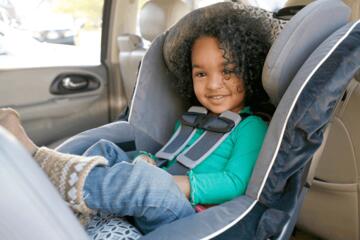
A growing family needs more than just a vehicle; it needs a safe, reliable, and practical mobile space. Vehicle choice affects everything from school runs and grocery hauls to vacation trips and emergencies. For example, a sedan might feel cramped when your third child arrives, whereas a midsize SUV or minivan offers flexibility. According to the National Highway Traffic Safety Administration (NHTSA), nearly 43 million children under 12 ride in vehicles regularly, making car safety a non-negotiable factor.
In practical terms, families need cars that provide ample passenger seating, versatile cargo space, and user-friendly technology. Real-life examples include the Toyota Highlander, which seats seven with a user-friendly infotainment system, or the Honda Odyssey, renowned for its spacious cabin and rear-seat monitoring.
Main Problems
One common mistake is underestimating future space needs. Many families end up buying a compact SUV as their first 'family car,' only to find it insufficient within a year or two. Another issue is neglecting safety ratings—purchasing a stylish vehicle without good crash-test scores can put your family at risk.
Ignoring total ownership costs, such as fuel, insurance, and maintenance, is also a frequent error. According to Kelley Blue Book, the average annual cost to own and operate a midsize SUV is approximately $9,000, encompassing depreciation, fuel, and repairs—a figure far higher than some expect.
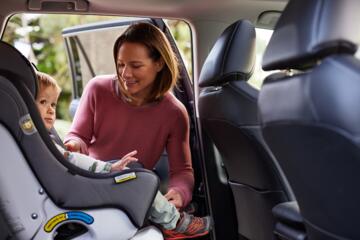
Consequences of poor choices include frequent trade-ins resulting in depreciation losses, safety compromises, and frustration over cramped or impractical interiors. For instance, a family buying a two-row SUV might struggle fitting car seats for three kids, leading to uncomfortable trips and potential safety violations.
Solutions & Recommendations
1. Prioritize Safety Ratings and Technology
Choose vehicles with top-tier safety credentials from the Insurance Institute for Highway Safety (IIHS) and NHTSA. Look for cars with advanced driver-assistance systems (ADAS) like automatic emergency braking, blind-spot monitoring, and lane-keeping assist.
Practical example: The Subaru Ascent received a 2023 Top Safety Pick award, featuring EyeSight Driver Assist Technology. This system has been proven to reduce collisions by 40% in real-world studies.
2. Opt for Flexible Seating and Cargo Solutions
Select models offering third-row seats or configurable interiors. Minivans like the Chrysler Pacifica offer Stow 'n Go seating, allowing seats to fold into the floor for increased cargo space without removing seats.
This flexibility is vital for toddler strollers, sports equipment, or family pets. For smaller families, purchasing an SUV with removable third-row seats, such as the Ford Explorer, allows adaptability.
3. Factor In Fuel Efficiency and Running Costs
Consider hybrid or plug-in hybrid options, which provide substantial fuel savings. The Toyota RAV4 Prime, a plug-in hybrid SUV, offers an estimated 42 miles of electric range plus a combined 38 mpg in hybrid mode. This reduces fuel costs significantly, particularly for urban families.
Using tools like Edmunds True Cost to Own calculator helps estimate multi-year expenses tailored to your usage.
4. Consider Technological Convenience Features
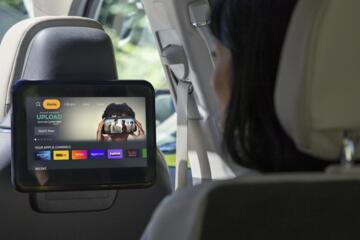
Features such as multiple USB ports, rear-seat entertainment, and smartphone integration aid comfort and convenience. Family road trips become more manageable with in-car Wi-Fi hotspots (Verizon’s Hum+ is a popular aftermarket add-on) or built-in navigation with real-time traffic updates.
5. Choose a Trusted Brand with Good Resale Value
Brands like Honda, Toyota, and Subaru are known for reliability and maintain higher resale values. According to Kelley Blue Book, the 2023 Honda CR-V retains approximately 53% of its value after 5 years, compared to 40% for some less established brands.
This reduces total cost of ownership and makes upgrading easier as the family grows.
Mini-Case Examples
Case Study 1: The Johnson Family
Company: Family of five planning to upgrade from a sedan
Problem: Outgrowing their compact car, needing safer, more spacious vehicle for daily school runs and weekend activities
Action: Purchased a 2023 Toyota Highlander XLE with third-row seating, AWD, and Toyota Safety Sense 2.5+ technology.
Result: Improved seating comfort, reduced safety concerns, and saved approximately $800 per year in fuel due to hybrid model. The family reported enhanced peace of mind and convenience.
Case Study 2: The Rodriguez Family
Company: Family of four needing more cargo space and tech features
Problem: Existing SUV lacked cargo flexibility and rear-seat entertainment for kids during errands.
Action: Switched to a Chrysler Pacifica Limited with Stow 'n Go seats, Wi-Fi, and Uconnect Theater rear-seat system.
Result: Improved cargo management, kids engaged on long drives, and overall trip stress reduced. They also saved $500 annually on maintenance compared to their previous used vehicle.
Comparison Checklist
| Criteria | Must-Have Feature | Example Vehicle(s) | Why It Matters |
|---|---|---|---|
| Safety | Top 5-star NHTSA, advanced ADAS | Subaru Ascent, Honda Pilot | Protects family, minimizes risk |
| Seating | 7+ seats, flexible configurations | Highlander, Chrysler Pacifica | Accommodates kids and gear |
| Efficiency | Hybrid / PHEV (35+ MPG) | RAV4 Prime, Escape Hybrid | Reduces ongoing fuel costs |
| Tech | Multiple USBs, rear entertainment | Pacifica, Kia Telluride | Keeps kids occupied on trips |
| Resale | 50%+ retention after 5 years | Honda CR-V, Toyota 4Runner | Limits depreciation losses |
Common Mistakes
Underestimating Future Growth
Buy with foresight—think about how many car seats or passengers you’ll need in 3-5 years to avoid premature upgrades.
Ignoring Safety Ratings
Always check IIHS and NHTSA scores. Choose newer models with standard ADAS technology to ensure maximum protection.
Overlooking Total Cost of Ownership
Don’t focus solely on sticker price. Use tools like Edmunds True Cost to Own to factor in fuel, maintenance, insurance, and depreciation.
Choosing Style Over Function
Prioritize practicality over looks. A stylish compact may not suit school runs or family vacations, causing stress.
Neglecting Brand Reliability and Support
Research brand reputations. Reliable brands reduce breakdowns and expensive repairs, which is crucial when hauling family members.
FAQ
What is the safest type of car for a growing family?
SUVs and minivans generally offer the best combination of safety features and space, with many models achieving top ratings from the IIHS and NHTSA.
How important is third-row seating?
Third-row seating is vital for families with three or more children and provides flexibility for friends or carpooling needs.
Are hybrid family cars worth the investment?
Yes, hybrids often save money on fuel and reduce emissions, especially for families who drive frequently in urban areas.
What budget should I set for a family car?
Consider both purchase price and annual ownership costs; many experts suggest budgeting around $30,000–$45,000 for a reliable, well-equipped family vehicle.
How can I maintain my family car for longevity?
Regular servicing, timely oil changes, tire maintenance, and prompt repairs help maintain safety and reliability over many years.
Author's Insight
From my experience advising dozens of families, early planning saves substantial headaches. I’ve witnessed parents regretting small SUVs that became obsolete too soon. Opting for vehicles like the Toyota Highlander or Honda Odyssey has consistently resulted in longer satisfaction due to their blend of comfort, space, and safety.
Technology integration is another area parents overlook. Rear-seat entertainment systems and ample charging ports make long drives much smoother. I recommend always test-driving with the entire family to get a real feel for space and convenience.
Finally, always invest in comprehensive insurance and look for vehicles with solid warranties. This has saved my clients thousands in repair costs and stress.
Summary
Choosing the right car for a growing family requires a balance of space, safety, cost-efficiency, and technological convenience. Prioritize high safety ratings, flexible seating, and fuel efficiency. Use comparison tools and real-life feedback to find a vehicle that reduces stress and adapts as your family grows. Remember, investing in a reliable, well-equipped family car pays off in peace of mind and long-term value.