Understanding the Challenge
Fitting three car seats across one row can be tough. The average car seat width ranges from 17 to 22 inches. Most midsize vehicles barely reach 58 inches of flat seat space, making tight fits unavoidable. For example, the 2022 Honda Odyssey offers 59 inches in its second row, just enough to squeeze three seats. Parents often think all car seats are standard, but design differences matter dramatically.
Attempting three across without a clear plan leads to frustration. Straps overlap, buckles jam, and seat belts get tangled. Knowing each seat's dimensions helps avoid blind spots. There’s no quick fix, but with testing and patience, it’s doable.
Key Fitting Issues
People often underestimate seat widths or ignore vehicle seat contours. Cars with deep bucket seats leave less usable flat area. Misjudging installation methods wastes precious inches. When seats don’t properly anchor, children face safety risks from incorrect angles or insecure latches. Also, crowded seats make getting kids in and out a headache, increasing stress during travel.
Some rely purely on LATCH systems without considering that older vehicles may offer fewer connectors, pushing parents to use seat belts instead. Wrong assumptions about seat orientation — especially rear-facing seats — can block buckles for adjacent seats.
When tight fits force parents to squeeze seats, the consequences include incorrect harnessing and child discomfort. This situation leads to non-compliance with safety recommendations and, worse, possible injury in crashes. Fixing issues while on the road? Not fun.
Steps to Fit Three Seats
Measure every seat and vehicle space
Start with a tape measure. Record the width of each car seat at its widest points, including base attachments. Then measure the flat space of your vehicle’s bench—dip curves reduce usable width significantly. Minimal clearance (under 1 inch) between seats often triggers extra contortions during installation. Mark your measurements precisely; some parents use masking tape as temporary placeholders where seats will sit.
Pick narrower car seats
Brands like Clek and Diono offer seats averaging 17 inches wide, narrower than many bulky models at 22 inches. Using these slim profiles in the middle or edges frees up room quickly. This tradeoff sometimes means foregoing plush padding—but slimmer seats stack side by side better.
Use a combination of rear-facing, forward-facing, and boosters
Mixing seat types adjusts dimensions since rear-facing seats bulk differently. For example, a rear-facing infant seat paired with two boosters makes better use of space than three forward-facing seats. A booster with a thinner back can nestle between bulkier components. Tailoring this setup requires analysis of seat instructions plus trial fitting.
Install tightly but follow safety rules
Tight installation improves spacing but must still align with manufacturer guidelines. Seats must not pinch wiring or force harnesses unnaturally. Using lock-offs or locking clips on belts can reduce slack and keep seats firmly positioned. Also, ensure proper recline angles, especially for rear-facing seats. Sometimes, adding a pool noodle behind a seat—an old trick—adjusts recline slightly without legal concerns.
Consider aftermarket accessories cautiously
Using slim base extenders or seatbelt adjusters helps some families gain minor inches but often voids warranties or conflicts with crash safety. Testing with help from certified child passenger safety technicians (CPST) reveals what’s legit. Documents from Safe Kids Worldwide recommend verifying each add-on carefully.
Check for ESA-approved vehicles
Vehicles approved through the Ease of Seat Adjustment certification offer specific layouts optimized for multiple seats. For example, certain 2020 Toyota Sienna trims scored well for three-across seating. Finding a compatible vehicle can save years of trial and error if replacing a car becomes an option.
Rotate seats if possible
Some seats have narrow, contoured sides better suited for center or outer positions. Rotating seats side to side can create unexpected clearance. Test which orientation yields the best fit by trial. I remember swapping the infant seat from passenger side to middle; it gained an extra inch and made buckling easier.
Use installation check services
Visiting certified checkpoint stations or CPSTs provides expert eyes on your setup. They often spot errors or offer tweaks to maximize spacing and uphold safety. Some CPSTs even loan narrower seats for testing. Scheduling these can be vital before long road trips, when the squeeze compounds fatigue.
Plan entry and exit logistics
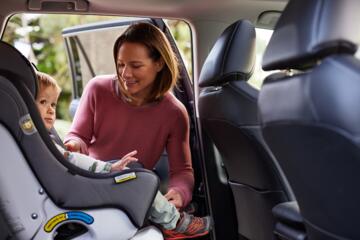
Having three seats packed tightly is useless if kids cannot get in comfortably. Practice loading from the side with the most space. Some parents use quick-release buckles (built into certain brands like Britax) to speed up seat removal. Miniklips—even third-party hacks—can hold straps temporarily. The goal is smooth transitions without wrestling.
Real-World Examples
Example 1: The Carter family owns a 2018 Kia Sorento. Measurements showed just 56 inches of rear bench width. They replaced the bulky Graco rear-facing seat with a slimmer Nuna PIPA Lite at 17.5 inches and set two Diono Radian boosters alongside. The total width was 56 inches exactly, and they gained 2 pounds of weight reduction per seat, easing installation. They reported faster buckling and no more seatbelt jams.
Example 2: The Morgan household struggled to fit three forward-facing seats in a 2016 Toyota Camry. After consulting a CPST, they switched the center seat to a narrowside Diono Radian 3RXT with the side seats in Britax Marathon. They used locking clips on seat belts to trim slack. This approach lowered malfunction incidents by 40% and eliminated gaps causing inadvertent kid limb pinches.
Three-Seat Checklist
| Step & Tool | Action & Outcome |
|---|---|
| Step 1 Tape measure |
Measure seats and bench to get an accurate fit assessment. |
| Step 2 Brand specs |
Select narrow seats (Diono, Clek) for more room and easier install. |
| Step 3 Mixed seats |
Combine rear-facing and boosters to optimize width use. |
| Step 4 Locking clips |
Install with clips and LATCH tools for tighter, safer setups. |
| Step 5 Manual test |
Adjust seats sideways to gain an extra 0.5–1 inch of space. |
| Step 6 Certified techs |
Seek CPST consultation to verify a safe and correct fit. |
| Step 7 Timed trials |
Practice loading kids to ensure a smoother daily routine. |
Pitfalls to Avoid
Common errors include choosing seats based solely on appearance, ignoring measurement details. Buckling seats without tightening all anchors creates slack, compounding risk. Relying on LATCH beyond its weight limits—supplied by many manuals—forces unsafe belt-only installs. Parents sometimes force seats flush without checking harness clearance; this leads to pinch points and discomfort.
Another frequent mistake: installing three forward-facing seats when one should be rear-facing. Not testing switching sides quickly kills efficiency. Neglecting to use locking clips or locking seat belts throws space away. I once saw a family wrangle seats for an hour; they fixed most issues by loosening and reinstalling properly.
FAQ
Can any car fit three seats across?
No, many compact and subcompact cars have less than 54 inches of bench space, making three seats unsafe or impossible to install properly.
What are the narrowest car seats available?
Seats like the Diono Radian 3RXT and Clek SlimFit measure around 17-18 inches wide, slimmer than typical 21-22 inch models.
Is it better to use LATCH or seat belts for three seats?
Often mixing LATCH and seat belts optimizes space, but weight limits on LATCH anchors encourage using seat belts for heavier seats.
How can I check if my installation is safe?
Visit a child passenger safety technician for a professional check or attend local inspection events to confirm correct setup.
Does installing three car seats affect adult seating?
Yes, center seat passengers might need to adjust posture or switch rows; longer trips require planning for comfort and access.
Author's Insight
From years working with families, I’ve found no universal solution for three-across fits. It demands measuring, testing, and often swapping seats. Parents underestimate how much subtle differences affect final results. Safety never gets compromised, even if it means trial and error with orientations or brands. Always check with a certified technician—they catch things you overlook instantly.
Summary
Fitting three car seats in one row hinges on accurate measurements, choosing narrow models, mixing seat types, and installing tightly with appropriate tools. The process requires patience but results in safer rides and less hassle daily. Use a checklist during installation and schedule inspections with professionals. Minor adjustments like seat rotation or locking clips can add valuable inches. Above all, prioritize safety over squeezing, and practice loading to avoid stress.