Family Vehicles: Beyond Size
Family-friendly vehicles avoid a simple 'bigger is better' approach. It’s not just about space — though room matters; for example, the 2023 Honda Odyssey offers 158 cubic feet of passenger volume and customizable seating arrangements. Practicality, safety, and adaptability come first. Imagine a car that balances daily school runs with weekend trips, storing strollers and sports equipment without wrestling for space or losing comfort.
Families want more than seats; they want versatile interiors. The Chrysler Pacifica and Toyota Highlander exemplify models built around real family usage patterns, like easy third-row access or integrated sunshades. Nearly 38% of US families pick SUVs or minivans primarily for such features, showing that design for life with kids matters.
Space reduced wrong, causes chaos. And no family can ignore safety technology that keeps everyone secure — modern vehicles can reduce crash injuries by up to 50% with advanced driver aids, according to IIHS findings.
Common Vehicle Mistakes
Many assume size solves all comfort and safety issues in family vehicles. That leads to unfortunate buys where large trunks can’t be accessed conveniently, or seating is cramped. Families often overlook ease of cleaning—sticky spills and crumbs test interiors daily.
Ignoring connectivity and entertainment options means kids squirm or drivers get distracted. For instance, lacking rear-seat USB ports can become a daily argument trigger on longer drives. Overlooking cargo configuration results in taking multiple trips just to carry sports gear or groceries.
The wrong choice creates stress and using a liveable space feels impossible. Problems multiply when vehicles lack ramps or liftgate heights suitable for strollers, especially with toddlers and aging parents. Convenience affects whether a vehicle really fits family life or just looks good on paper.
Choosing the Right Features
Flexible Seating Options
Pick systems allowing quick reconfiguration, like sliding or fold-flat seats, with at least seven seats and easy operation without extra tools. They speed transitions from passengers to cargo. The Kia Carnival’s 'Smart Power Sliding Door' lets parents manage entry with minimal fuss, a genuine time saver after soccer practice.
Built-In Safety Tech
Standardize features like blind-spot monitoring, automatic emergency braking, and rear cross-traffic alerts. Vehicles equipped with adaptive cruise control reduce stress during school runs and long trips. Subscriptions like OnStar (Chevrolet) enhance remote vehicle monitoring for peace of mind.
Storage Solutions
Look for deep underfloor compartments, door storage big enough for water bottles, and cargo organizers. The Subaru Ascent has 86.5 cubic feet of cargo space with rear seats down—ample for large shopping hauls. Multiple cubbies prevent loose items from flying in sudden stops.
Entertainment and Connectivity
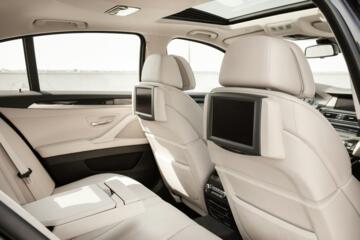
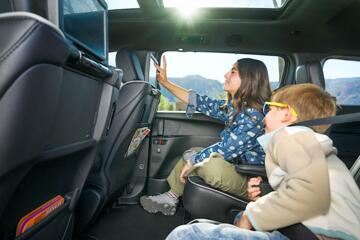
Rear-seat screens, multiple USB ports, and Apple CarPlay/Android Auto integration keep children engaged without draining the driver’s focus. The Toyota Sienna’s rear-seat Wi-Fi option turned long trips into manageable rides. Kids don’t negotiate every mile.
Easy Clean Materials
Prioritize stain-resistant upholstery, removable floor mats, and wipe-clean plastics. Spills happen daily; easy cleaning reduces downtime and the need for expensive detailing. Cars equipped with leather or synthetic leather seats require approximately 15 minutes of maintenance weekly, compared to over an hour for fabric interiors.
Climate Control
Independent rear climate controls keep everyone comfortable. High heat or cold tolerance matters for short climbs to school or long journeys. Models like the Ford Explorer include tri-zone climate control that maintains comfort without fuss.
Accessibility Features
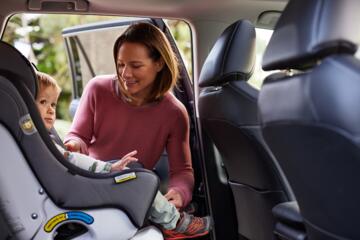
Low step-in heights, wide door openings, and hands-free liftgates improve usability. Activating rear doors with a simple foot wave lets parents with full hands load toddlers without juggling keys or strollers. The 2024 Hyundai Palisade caters well to this need.
Fuel Efficiency
Opt for hybrid or efficient turbocharged engines to reduce fuel expenses amid regular driving. The Toyota Highlander Hybrid achieves approximately 36 miles per gallon combined, helping offset family budgets in tight times.
Reliability and Cost of Ownership
Select brands with strong reliability records. Toyota and Honda have maintained top rankings in family-vehicle durability and depreciation, avoiding costly repairs or resale losses. Kelley Blue Book values provide a snapshot on typical depreciation rates.
Real-World Family Cases
A regional daycare fleet switched from mixed car types to Toyota Sienna minivans in 2022. The motivation: improved kid loading safety and storage flexibility. They reported 40% time savings during morning drop-offs and 25% reduction in minor damage incidents during tight school run schedules.
Another case: A suburban family with three children shifted from a compact SUV to a Kia Carnival in mid-2023. They cited that sliding doors and configurable cargo space ended daily battles over toddler car seats. Fuel cost increased only slightly while overall driving stress dropped immensely.
Vehicle Comparison Table
| Feature | Minivan | SUV | Hybrid Option |
|---|---|---|---|
| Seating Flexibility | Sliding seats | Fold-flat only | Common |
| Child Access | Wide sliding doors | Traditional doors | Yes |
| Cargo Volume | Up to 140+ cu ft | 80-110 cu ft | Lower (batteries) |
| Fuel Economy | 20-28 mpg | 18-27 mpg | Up to 36 mpg |
| Entertainment | Rear screens + Wi-Fi | Optional screens | Available |
Avoiding Car Buy Errors
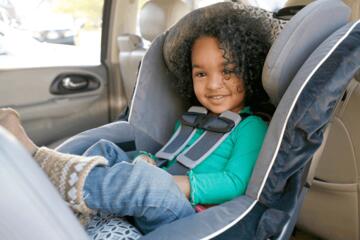
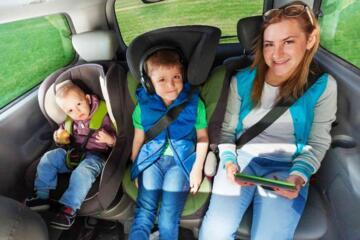
Do not buy a large vehicle just to fold three car seats side by side without testing first. Most mid-size SUVs can’t do that comfortably. Missing this check causes daily frustration during school runs.
Ignore kid-entertainment setups, and backseat meltdowns start early. I saw families waste $5,000 on models that barely had USB outlets—kids can't share one port, and that kills patience faster than you’d guess.
Avoid vehicles with overly complex seat folding systems. Several VW SUVs require removing seats entirely to fit large cargo, which rarely suits families constantly needing different arrangements. Convenience matters more than style at times.
FAQ
What makes a vehicle truly family-friendly?
Accessible seating, adjustable interiors, strong safety features, and usable storage define family-friendliness. Connectivity and easy maintenance complete the picture.
Are minivans better than SUVs for families?
Minivans often offer more space and sliding doors, but SUVs provide higher clearance and off-road options. Choice depends on lifestyle and priorities.
Which safety features matter most?
Blind-spot alerts, rear cross-traffic warnings, automatic braking, and strong crash-test ratings top the list for family cars.
How relevant is fuel economy?
Fuel efficiency impacts long-term costs, especially with school and activity runs consuming many miles weekly. Hybrids often save money over time.
What about entertainment for kids?
Multiple USB ports, rear screens, and Wi-Fi keep children engaged and reduce driver distractions, improving trip quality greatly.
Author's Insight
I’ve spent over a decade evaluating vehicles for families with young kids. Sliding doors alone cut loading time by almost half, which felt obvious on paper but transformed real drives. Ignoring easy-clean materials always becomes regret three months into ownership. The little conveniences build up to a much better daily experience.
Safety tech steadily improves, but I trust models proven over several years, not just flashy new systems. I recommend families test vehicles across several weeks to catch quirks from real-life use, especially with kids.
Summary
Family-friendly vehicles combine thoughtful safety features, adaptive interiors, and practical conveniences—not just size. Prioritize models with configurable seating, ample storage, and reliable safety tech. Test these with your family’s routines in mind to find a vehicle that eases daily stresses without adding new ones. Keep expectations grounded and choose for how your family lives, not ads.