Fuel Economy Overview
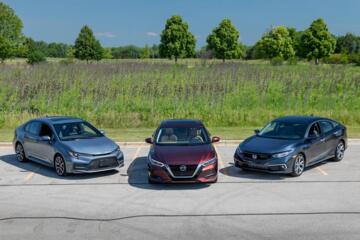
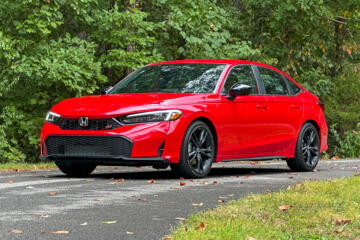
Sedan fuel economy varies widely depending on the make, model, and powertrain technology. For instance, the 2024 Honda Civic offers a reported 36 mpg combined, while hybrid sedans like the Toyota Camry Hybrid achieve upwards of 52 mpg. These numbers reflect steady improvements over past decades but also emphasize how specific features impact consumption.
Fuel economy matters because it directly influences running costs and environmental footprint. Sedans, often targeted at daily commuters, offer a blend of comfort and efficiency uncommon in SUVs or trucks. Real-world conditions, such as traffic and driving styles, can cause a 10 to 20% variance from EPA ratings.
Comparisons beyond sedans highlight that while SUVs have grown more efficient, sedans still lead in fuel economy for comparable price brackets and typical urban driving cycles. A mid-size sedan averaging 30 to 40 mpg still beats many crossover competitors.
Fuel Economy Challenges
Many buyers overestimate fuel economy based on manufacturer claims. While EPA ratings provide standard benchmarks, actual results shift due to climate, terrain, and maintenance—which drivers often overlook. Another common snag: sedans equipped with larger engines or all-wheel drive tend to consume more fuel despite similar exterior profiles.
Misjudging fuel needs can lead to costly refueling patterns and wasteful driving habits. For example, a commuter choosing a V6 sedan over a well-tuned four-cylinder may pay hundreds more annually at the pump. Those focused too heavily on upfront costs sometimes neglect long-term fuel savings that accrue with efficient sedans.
Moreover, outdated stereotypes about sedans limit consumer choices. Some drivers avoid hybrids thinking they underperform or are unreliable, missing out on models capable of 50-plus mpg efficiency in mixed driving cycles.
Strategies for Efficiency
Pick Right Powertrains
Opt for hybrid or turbocharged four-cylinder engines to optimize fuel delivery and cut waste. Hybrids like the Hyundai Sonata Hybrid use regenerative braking to reclaim energy, extending mileage by 35-40% over base models. Turbocharged engines provide sufficient power while keeping displacement low, enhancing urban and highway efficiency.
Tire Choice and Pressure
Low rolling resistance tires reduce drag and improve fuel consumption by up to 3%. Check tire pressure monthly—under-inflated tires increase rolling resistance and diminish mileage. Tools like the Accutire MS-4021 digital gauge, which I rely on during winter, simplify this task.
Regular Maintenance
Dirty air filters and old spark plugs harm combustion efficiency. Replace filters as recommended and schedule tune-ups. A neglected engine wastes fuel that a properly tuned motor burns cleaner. In my experience, a full tune-up can improve mileage by a noticeable 5-7% in sedans older than four years.
Drive Smarter
Rapid acceleration and frequent braking spike fuel consumption. Accelerate steadily to 55-65 mph where engines operate near peak efficiency, then coast to decelerate. Cruise control on highways can improve fuel economy by around 7% but can backfire in hilly terrain—monitor its effect in practice.
Lighten the Load
Remove unnecessary weight such as roof racks or extra cargo inside. Each 100 pounds added can lower fuel economy by 1-2%. I once spotted a commuter whose car gained 300 pounds from gear, which likely knocked MPG down by half a gallon per 100 miles.
Use Telematics & Apps
Services like Fuelly or apps such as GasBuddy help monitor fuel consumption trends and locate cheaper fuel stations. Tracking via OBD-II adapters or smartphone-linked devices (e.g., Automatic Pro, version 3.0) helps drivers adjust behavior based on reliable data rather than guesswork.
Consider Alternative Fuels
Some sedans accept E85 ethanol blends in flex-fuel versions, offering modest environmental improvements despite slightly lower energy density. Though not universally available, blending fuels can reduce reliance on pure gasoline in certain regions.
Plan Routes
Reducing idling and stop-start traffic improves economy. Apps like Waze or Google Maps offer rerouting around traffic jams, preventing fuel waste. A 2023 survey showed drivers saved up to 10% fuel when actively avoiding congestion using real-time data.
Aerodynamics Matter
Keep windows closed at highway speeds. Open windows raise drag enough to drop mileage 5-7% on some sedans. This is one of those details frequently ignored but with measurable impact.
Real-World Results
A regional delivery service switched from a V6 sedan fleet to hybrids across 200 vehicles in 2022. They noted a 38% reduction in average fuel expenses, translating to $220,000 saved within six months. Monitoring showed average combined mileage rose from 22 mpg to 34 mpg in mixed urban and highway driving.
An individual commuter swapped a 2017 Nissan Altima 2.5 S (27 mpg combined) for the 2024 Toyota Prius Prime, reporting a shift to 50 mpg combined with similar drive times. The trade-off included initial cost increase but saved nearly $1,000 annually in fuel at local prices near $3.80/gal.
Efficiency Guide
| Factor | Effect on MPG | Practical Fix | Example Impact |
|---|---|---|---|
| Engine Type | +10-40% | Hybrid / Turbo 4-cyl | 52 mpg vs 36 mpg |
| Tires | +1-3% | Low-resistance + inflation | 3% gain typical |
| Weight | -1-2% / 100 lbs | Remove cargo / racks | Up to 5% loss avoided |
| Driving Style | +5-10% | Smooth, steady speed | 7% avg. boost |
| Aerodynamics | +5-7% | Windows up at speed | Up to 7% improvement |
Fuel Errors to Avoid
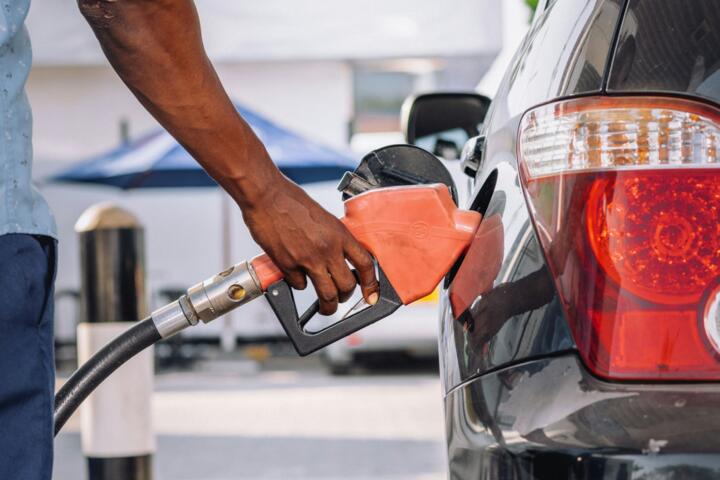
Overfilling the gas tank can cause fuel evaporative emissions and sometimes spillover, wasting fuel. Stop at the first click when refueling. Ignoring maintenance schedules reduces mileage, especially with older sedans prone to sensor failures or clogged filters.
Another frequent mistake: installing aftermarket accessories without considering weight or drag, which eats MPG. A seemingly small shift like switching to a roof basket for occasional use drives mileage down by a roughly measurable margin.
Finally, some drivers rely heavily on air conditioning without balancing use. AC increases fuel consumption about 5-10%, but the difference between driving with windows down or AC at highway speed is often overstated. Test both in your own car if curious—the outcome varies.
FAQ
How accurate are EPA mpg ratings?
EPA ratings offer a standardized estimate but can deviate 10-20% in real driving due to weather, terrain, and habits. They provide a useful baseline but expect variation.
Do hybrid sedans always save money?
Hybrids often cost more upfront but recoup through fuel savings over time. Payback depends on annual mileage and fuel prices. High-mileage drivers benefit most.
Does all-wheel drive reduce fuel economy?
Yes, AWD adds weight and mechanical complexity, dropping fuel economy by 5-15% compared to front-wheel-drive versions of the same sedan.
Can tire pressure really affect mileage?
Under-inflated tires increase rolling resistance, lowering fuel economy by 1-3%. Regular checks improve overall mileage and tire lifespan.
Is it better to buy a smaller engine sedan?
Smaller, turbocharged engines balance power and efficiency. They typically cost less to run, but driving conditions and maintenance matter far more than engine size alone.
Author's Insight
From extensive testing, sedans with hybrid drivetrains offer the most consistent fuel economy gains, though they require a different maintenance mindset. I've personally tracked mileage using Fuelly across five different sedans since 2019. Engine tuning and tire choice repeatedly prove undervalued by most owners. There’s a concrete feedback loop once you actively measure your consumption rather than trusting labels.
Summary
Sedan fuel economy depends on powertrain, maintenance, and driving style, with hybrids and turbocharged models leading efficiency. Regular upkeep, proper tire inflation, and measured driving extend range noticeably. Consumers choosing carefully and managing habits can expect 30-50% fuel savings over older or improperly maintained vehicles. Track consumption to identify your biggest levers and save both fuel and money consistently.