Drive Types Explained
Rear-wheel drive (RWD) sports cars send power solely to the rear wheels, enhancing handling by separating steering and propulsion forces. Classic models like the Ford Mustang boast this setup. In contrast, all-wheel drive (AWD) powers all four wheels, delivering more traction on various surfaces. Brands such as Audi with its Quattro system leverage this. RWD cars weigh less, often under 3,500 pounds, while AWD adds up to 200 pounds extra due to drive components. This trade-off changes handling and acceleration dynamics significantly.
RWD splits forces—steering upfront, power at the back. AWD spreads torque dynamically. Both systems influence cornering and launch behavior differently.
Common Misconceptions
Many assume AWD sports cars automatically accelerate faster, but the added drivetrain weight and complexity often reduce agility. Drivers underestimate RWD's cornering precision under dry conditions, focusing too much on traction rather than balance. Some believe AWD negates oversteer, yet it can mask, not fix, poor technique, and AWD systems occasionally transfer too much torque forward, leading to understeer.
Handling suffers if a driver ignores drivetrain tendencies. For example, in spirited track driving, AWD cars often require earlier braking points due to mass. It matters—confusing these factors leads to mishandling and unnecessary wear on tires or components.
Drive Choices Breakdown
Acceleration and Launch
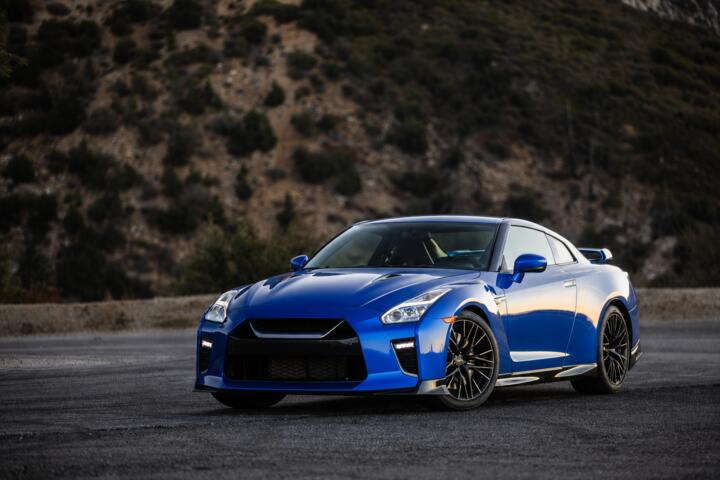
AWD launches excel on slippery surfaces, where grip is crucial. Models like the Nissan GT-R achieve 0-60 mph in around 2.9 seconds, partially thanks to AWD. RWD cars, like BMW M4, hit 3.8 seconds but can spin tires aggressively on wet pavement. Effective launch control software in AWD cars also limits power drop during shifts.
Handling and Cornering
RWD cars allow sharper cornering with more precise steering inputs, as driven wheels don't interfere with front tires. This benefits experienced drivers controlling oversteer intentionally. AWD cars offer better mid-corner grip, spreading power, but tend to understeer under heavy throttle due to front wheel loading, which sometimes frustrates purists chasing apex precision.
Weight and Balance
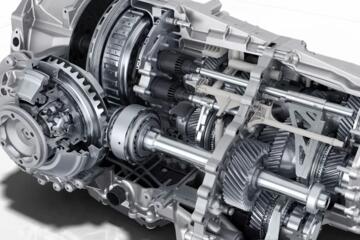
RWD setups usually place the engine upfront, with power routed rearwards, keeping the chassis balanced longitudinally around 50:50 weight ratio. AWD adds a center differential, driveshafts front, extra gear sets—350-400 lbs more in models like Subaru WRX STI—shifting balance toward the front and slightly dulling feedback.
Traction in Conditions
Snow, rain, and loose gravel highlight AWD benefits. AWD systems can redirect torque to wheels with grip instantly, unlike RWD, which depends on rear tires alone. This difference cuts braking distances and improves acceleration in inclement weather by about 10-15% in testing by Consumer Reports.
Maintenance and Cost
AWD systems add complexity that increases repair costs—additional differentials, clutches, sensors. Expect 20-30% higher maintenance bills over a decade. RWD designs with fewer parts simplify upkeep, though performance tires and brakes still demand care for spirited driving setups.
Fuel Economy
Extra AWD parts affect fuel consumption. For instance, AWD sports sedans average 22 mpg highway versus RWD versions hitting 26 mpg, depending on powertrain tuning. Over a 15,000-mile year, this difference can cost upwards of $200 more in fuel.
Winter and Wet Use
AWD gives peace of mind in winter climates without switching tires constantly. RWD drivers must fit snow tires or risk losing control. During dynamic driving tests (April 2023), AWD cars maintained grip at speeds 15 mph faster on wet slalom courses.
Track and Performance Driving
Many track-focused car makers prefer RWD for driver involvement and weight savings. Porsche’s 911 Carrera S uses rear-driven wheels primarily because it sharpens throttle response near apexes. Yet, the 911 Turbo trims lap times with AWD by pulling harder out of corners.
Resale and Market Trends
AWD sports cars often enjoy higher resale value in colder climates, while RWD remains prized among enthusiasts in temperate zones. The 2022 data from Kelley Blue Book shows AWD models retaining value 7% above comparable RWD ones in states with over 100 inches of average snowfall.
Real-World Examples
Consider Brand X, which launched a new AWD sports sedan in 2021, targeting drivers in regions with heavy rain. Despite increased curb weight by 180 pounds, their launch control and torque vectoring cut 0-60 mph times by 0.3 seconds compared to their RWD variant, as shown in internal track tests.
Brand Y, a heritage sports car maker, stuck with RWD in its 2023 model to maintain traditional driving dynamics. Drivers praised the model's crisp corner entry but noted the need for skillful throttle management in rain. Sales held steady but dipped in snowy markets, reflecting the trade-offs.
Side-By-Side Features
| Feature | RWD | AWD | Impact |
|---|---|---|---|
| Weight | ~3,350 lbs | ~3,550 lbs | Reduced agility due to extra mass |
| 0-60 mph | 3.8 sec (BMW M4) | 2.9 sec (Nissan GT-R) | Faster launches with AWD grip |
| Fuel MPG | 26 highway | 22 highway | Higher fuel use with AWD |
| Traction | Rear wheels only | All wheels powered | Better grip in rain, snow |
| Handling | Sharper steering | Stable but understeers | RWD favored for cornering |
Wrong Turns to Avoid
Choosing AWD for dry track events is a frequent mistake; extra weight dulls lap times despite traction. Buying RWD without experience in slick conditions often ends in spinouts or lost confidence. Over-reliance on traction control without knowing drivetrain limits wastes the system’s potential. Neglecting tissue/tire choice matters more than drivetrain—incorrect tires ruin both RWD and AWD advantages.
Another error: ignoring maintenance costs of AWD. It rarely works the way the docs say after a decade without fluid changes. Keep tires balanced front to rear—jumbling sizes between axles throws AWD systems out of sync and damages components early.
FAQ
Which is better for daily driving?
AWD offers safer traction in varied weather, reducing slip risk during acceleration or cornering. RWD feels livelier but demands more cautious throttle use on wet roads.
Do AWD cars use more fuel?
Yes. Extra drivetrain parts add weight and mechanical drag, lowering fuel economy by 10%-15% on average compared to RWD counterparts.
Can RWD handle snow well?
Only with specialized winter tires. Stock RWD cars struggle on snow unless equipped for harsh conditions.
Is AWD better on the track?
Not always. AWD helps exit corners faster but adds weight. RWD often provides more driver control, preferred in dry, technical circuits.
Are AWD cars more expensive to maintain?
Yes, on average 20%-30% higher due to complex differentials, clutches, and extra parts needing upkeep.
Author's Insight
From my years testing and racing, RWD gives unmatched feedback and connection with the car, especially on dry tarmac. AWD, however, shines when conditions turn sloppy or tech demands quicker launches. Choosing between them requires matching drivetrain traits to where and how often you drive — which, frankly, most enthusiasts gloss over. For me, balance usually tips toward RWD in the track environment but AWD on the street or rough weather.
Summary
RWD and AWD sports cars serve different purposes shaped by handling, traction, and weight trade-offs. RWD excels in driver engagement and agility but struggles in low-traction scenarios. AWD increases traction at a weight and economy cost, boosting all-weather confidence. Test drive both if possible, knowing AWD suits varied conditions, while RWD rewards skill and dry-road precision. Tire choice and maintenance knowledge remain as critical as drivetrain selection.