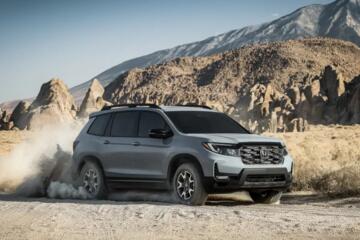
Urban Compact Crossover
The modern compact SUV (C-SUV) and subcompact crossover (B-SUV) segments have replaced the traditional sedan for families primarily due to "H-point" advantages—the pivot point of the hip. A higher seating position makes installing ISOFIX child seats significantly easier on the lower back. In cities like London, New York, or Tokyo, the ideal vehicle must stay under 4,500mm in length to utilize standard street parking while offering a minimum of 400 liters of trunk space for strollers.
Practitioners in the automotive industry often point to the "Turning Circle" as the most overlooked metric for city dwellers. While a full-sized SUV might require 12 meters to pull a U-turn, a top-tier compact crossover like the Volvo XC40 or Mazda CX-5 can achieve this in roughly 11 meters. Furthermore, the shift toward hybridization has made these vehicles financially viable; according to J.D. Power, fuel efficiency remains the second highest priority for urban buyers after safety.
Real-world data suggests that families who choose a compact SUV over a large one save an average of $1,200 annually in fuel and maintenance. Additionally, smaller footprints correlate with lower insurance premiums in congested ZIP codes where fender-benders are statistically more frequent.
Choosing Family Commuter
Many families mistakenly prioritize "lifestyle aesthetics" over functional dimensions, leading to the "Coupe SUV Trap." Vehicles with sloping rooflines, such as the BMW X4 or certain Mercedes-Benz GLC variants, sacrifice critical vertical cargo space. This prevents the transport of upright strollers or bulk grocery trips, forcing owners to fold down rear seats and compromising the "family" aspect of the vehicle.
Another critical error is ignoring the "Loading Lip Height." If the trunk floor is too high, lifting a 15kg stroller 20 times a week becomes a physical burden. Many buyers also fail to test the "Passenger-Side Legroom" with a rear-facing car seat installed. In many compact models, a bulky Clek or Graco seat can render the front passenger seat unusable for anyone over 5'8", effectively turning a five-seater into a three-seater.
Finally, urban buyers often overlook the impact of wheel size. Opting for 20-inch "sport" wheels on city streets with potholes leads to a harsh ride and frequent tire replacements. This "style tax" results in higher long-term ownership costs and decreased comfort for sleeping toddlers in the back.
Solutions for Utility
Prioritizing the Hybrid Powertrain for Stop-and-Go Traffic
For city families, an internal combustion engine (ICE) is at its least efficient in traffic. Switching to a Full Hybrid (HEV) or Plug-in Hybrid (PHEV) like the Toyota RAV4 Hybrid or Honda CR-V Hybrid allows for electric-only creeping in jams. This can improve city fuel economy from 22 MPG to over 40 MPG, effectively halving monthly fuel expenditures.
Assessing Rear-Seat Aperture and Door Angles
Expert tip: Look for doors that open to nearly 90 degrees. The Nissan Qashqai (Rogue Sport) and Honda CR-V are leaders here. This wide aperture allows parents to maneuver a sleeping child or a bulky car seat into the cabin without hitting the door frame. It is a "hidden" feature that defines daily satisfaction more than horsepower.
Utilizing Modular Cargo Systems
Modern urban living requires flexible space. Systems like the "Divide-N-Hide" in Nissan models or the adjustable floor in the Volkswagen Tiguan allow you to create hidden compartments for valuables or lower the floor for tall items. When shopping, bring your largest stroller to the dealership to ensure it fits lengthwise without removing the wheels.
Investing in 360-Degree Camera Technology
Parking in tight urban garages is the leading cause of minor vehicle damage. A 360-degree bird's-eye view camera system is no longer a luxury; it is a necessity for protecting your investment. Systems from brands like Hyundai and Kia (Surround View Monitor) provide high-resolution feeds that prevent curb rash on expensive rims.
Evaluating Advanced Driver Assistance Systems (ADAS)
In the city, "Rear Cross-Traffic Alert" and "Autonomous Emergency Braking" with pedestrian detection are vital. According to the IIHS, these technologies reduce rear-end collisions by up to 50%. Ensure the vehicle you choose has these as standard equipment rather than locked behind expensive trim packages.
Maximizing Digital Connectivity and Telematics
Urban families rely on real-time navigation to bypass congestion. Apple CarPlay and Android Auto are mandatory. Furthermore, apps like FordPass or Toyota App allow you to remote-start the climate control, ensuring the cabin is cool or warm for a baby before you leave the apartment.
Success Case Studies
Case Study 1: The London School Run
A family of three in Kensington transitioned from a large sedan to a Volvo XC40 Recharge (PHEV). Their primary challenge was ultra-low emission zone (ULEZ) charges and narrow street parking. By switching, they eliminated daily congestion charges and reduced their "parking time" (time spent finding a suitable spot) by 15 minutes per day due to the shorter wheelbase. Their monthly fuel/charging cost dropped from £180 to £45.
Case Study 2: The Chicago Commuter
A dual-income household with two toddlers replaced a mid-sized SUV with a Honda CR-V Hybrid. The main pain point was the "stroller-groceries" conflict. The CR-V’s 1,113-liter cargo space allowed for a double stroller and a full week of Costco supplies simultaneously. The family reported a 40% increase in fuel efficiency during winter idling periods, thanks to the hybrid battery managing the heater more effectively than a traditional engine.
Leading Compact SUVs
| Model Name | Length (mm) | Cargo Volume (Liters) | City MPG (Est.) | Top Feature for Families |
|---|---|---|---|---|
| Toyota RAV4 Hybrid | 4,600 | 1,059 | 41 | Reliability & Resale Value |
| Honda CR-V | 4,694 | 1,112 | 28-40 | Largest Interior in Class |
| Mazda CX-5 | 4,575 | 872 | 24 | Premium Interior & Safety |
| Hyundai Tucson Hybrid | 4,630 | 1,095 | 37 | Best Warranty & Tech |
| Volvo XC40 | 4,440 | 452 | 23-30 | Compact Size for Parking |
Common Mistakes to Avoid
One major error is buying for the "1% use case." Families often buy a massive 3-row SUV because they might host grandparents once a year. For the other 364 days, they struggle with parking and high fuel costs. It is more cost-effective to buy a compact SUV for daily life and rent a larger vehicle for the occasional road trip.
Ignoring "Blind Spot Monitoring" in favor of a panoramic sunroof is another tactical mistake. In urban environments with cyclists and delivery scooters, blind-spot tech saves lives and prevents lawsuits. Always prioritize active safety hardware over aesthetic glass roofs that add weight and reduce headroom.
Finally, don't skip the "Car Seat Fit Test." Not all ISOFIX points are created equal. Some are buried deep in the upholstery, making it nearly impossible to click the seat in. Test this at the dealership; if it takes more than 60 seconds to install the seat, that car will frustrate you every time you need to clean it.
FAQ
Is a compact SUV better than a hatchback for a small family?
Yes, primarily due to the lift-over height for cargo and the ease of loading children into car seats. Hatchbacks often require more bending, which can be difficult for parents.
Are subcompact SUVs (B-SUVs) too small for two children?
Usually, yes. While they are great for parking, the rear legroom is often insufficient for rear-facing car seats, and the trunk rarely fits a full-sized stroller plus bags.
Do I really need All-Wheel Drive (AWD) in the city?
Unless you live in a city with heavy unplowed snow (like Montreal or Minneapolis), Front-Wheel Drive (FWD) with high-quality winter tires is usually sufficient and more fuel-efficient.
Which compact SUV has the best safety rating for 2026?
Models like the Mazda CX-5 and Honda CR-V consistently earn the IIHS Top Safety Pick+ award, featuring reinforced side-impact protection and advanced pedestrian detection.
What is the most reliable brand for a long-term family vehicle?
Toyota and Lexus continue to lead Consumer Reports' reliability rankings, particularly for their hybrid powertrains which have fewer mechanical wear items like drive belts and starters.
Author’s Insight
In my decade of evaluating automotive trends, I’ve seen the "Compact SUV" evolve from a compromise into a precision tool. My personal advice: ignore the horsepower figures. In the city, you rarely exceed 50 km/h. Instead, obsess over the "Cargo Floor Height" and "Rear Door Opening Angle." A car that makes it easy to load a screaming toddler while double-parked is worth more than any leather interior or sport-tuned suspension. My top recommendation for the balance of sanity and budget remains a Hybrid powertrain—it pays for itself in the first three years of urban commuting.
Summary
The best compact SUV for urban families is one that minimizes external dimensions while maximizing internal ergonomics. By focusing on hybrid efficiency, 360-degree visibility, and real-world cargo accessibility, parents can navigate city life with significantly less stress. Prioritize safety tech and door apertures over aesthetic trim levels to ensure your vehicle remains a functional asset rather than a logistical burden. Measure your parking space and your stroller before visiting the showroom to make the most informed decision for your household.