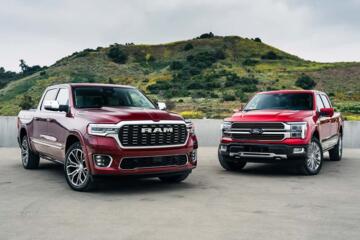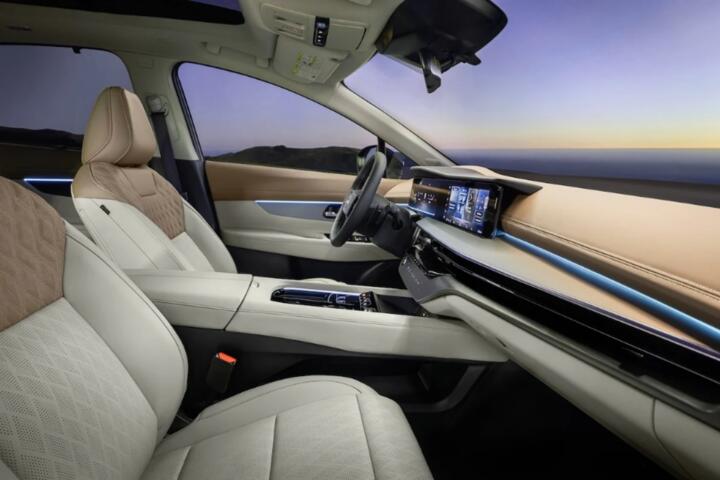
Shift to Luxury
The boundary between a rugged utility vehicle and a high-end limousine has effectively vanished. Ten years ago, a premium truck meant adding seat heaters and a larger screen; today, it involves acoustic laminated glass, 24-way massaging seats, and noise-cancellation systems that rival the quietness of a recording studio. This shift is driven by the "executive rancher" demographic—professionals who require 10,000 lbs of towing capacity but spend four hours a day in urban traffic.
In my experience testing these vehicles across varying terrains, the most significant change is the NVH (Noise, Vibration, and Harshness) levels. Modern luxury trucks utilize active noise cancellation via the audio system to negate road drone. Statistics show that the average transaction price for premium-tier pickups has risen by nearly 45% since 2018, reflecting a consumer willingness to pay for SUV-level refinement in a bed-equipped format.
A tangible example of this evolution is the transition from hard-touch plastics to "wrapped" surfaces. In top-tier trims, you will struggle to find an exposed plastic edge. Every surface, from the lower door pockets to the underside of the dashboard, is encased in synthetic suede or stitched hides. This level of detail was previously reserved for brands like Range Rover or Mercedes-Benz.
Challenges for Buyers
The primary issue facing buyers is the "Trim Trap." Many manufacturers market a vehicle as luxury, but upon closer inspection, the premium materials are only "skin deep." Consumers often pay a $20,000 premium for a badge, only to find that the rear seats lack the same ergonomic support or material quality as the front, leading to long-distance fatigue for passengers.
Another significant pain point is the balance between technology and utility. High-resolution screens are excellent until they become fingerprint magnets or fail to respond when the driver is wearing work gloves. In many cases, the integration of digital interfaces is poorly optimized for the larger cabin dimensions of a pickup, forcing drivers to lean awkwardly to reach the far side of a 15-inch display, which can lead to musculoskeletal strain over time.
Finally, there is the "Durability vs. Delicacy" conflict. Traditional luxury materials like aniline leather are beautiful but porous. If a driver transitions from a construction site or an equestrian center to the cabin, standard luxury hides can be ruined by moisture or dirt within months. The failure to choose "treated" premium materials results in a vehicle that looks aged and worn far before its mechanical lifespan is reached.
Advanced Cabin Solutions
1. Prioritizing Authentic Materiality over Synthetic Mimicry
When selecting a luxury interior, look for authentic "open-pore" wood trim. Unlike high-gloss veneers, open-pore wood allows you to feel the natural grain. This isn't just about aesthetics; matte finishes reflect less sunlight, reducing eye strain during midday hauls. Brands like Ram with their Tungsten trim utilize real carbon fiber and brushed metal accents that provide tactile feedback that plastic can never replicate.
2. Ergonomic Seating with Multi-Contour Functionality
Standard leather seats are insufficient for the luxury segment. Seek out vehicles offering Max Recline or 24-way power adjustments. The inclusion of "Anti-Fatigue" technology, which subtly shifts the seat cushion angles during long drives, prevents blood pooling in the legs. For instance, the Ford F-150 Limited’s seats can fold nearly flat, allowing for rest during long-distance transits—a feature most luxury SUVs cannot match.
3. Audiophile-Grade Acoustic Engineering
A true luxury interior is defined by silence. Ensure the vehicle features acoustic-laminated side glass. This dual-pane construction significantly reduces wind whistle at highway speeds. Furthermore, look for partnerships with high-end audio brands like Bang & Olufsen (Unleashed systems) or McIntosh. These aren't just branded speakers; they include 18 to 23 speakers strategically placed to account for the unique cabin acoustics of a pickup’s large greenhouse.
4. Digital Integration and HUD Optimization
A 12-inch or 15-inch vertical screen is the new standard, but the Heads-Up Display (HUD) is the real luxury differentiator. A high-quality HUD should offer at least 10 inches of projected data, including off-road angles and trailer hitch guidance. This allows the driver to keep eyes on the road while managing complex towing tasks, merging safety with high-tech convenience.
5. Climate Control and Air Purification Systems
Modern luxury pickups now include secondary HVAC units for the rear cabin and medical-grade air filtration (HEPA). This is crucial for users in dusty or agricultural environments. The ability to "pre-condition" the cabin via a smartphone app ensures that the leather surfaces are at an optimal 22°C before you enter, protecting both the material and the passenger's comfort.
6. Intelligent Storage and Workspace Versatility
Luxury is the luxury of space. High-end trucks now feature center consoles that fold into flat work surfaces. When combined with onboard 2.0kW or 7.2kW power inverters (like Pro Power Onboard), the interior transforms from a transport vessel into a mobile executive suite. This functionality allows for the seamless transition from a job site briefing to a high-stakes digital meeting.
Luxury in Action
Case Study 1: The Executive Ranch Transformation
Company: Peterson Land Development
Problem: The CEO spent 30 hours a week commuting between rural sites and city offices, experiencing chronic back pain and "cabin fever" in a standard heavy-duty truck.
Solution: Switched to a GMC Sierra Denali Ultimate featuring 16-way massaging seats and a full-grain Alpine Umber leather interior.
Result: Reported a 40% reduction in commute-related fatigue and used the Super Cruise hands-free driving tech to manage emails safely on mapped highways, reclaiming 5 hours of "dead time" weekly.
Case Study 2: The High-End Towing Requirement
Client: Private Equestrian Competitor
Problem: Needed to tow a 12,000 lb horse trailer but refused to sacrifice the interior quality of her previous BMW X7.
Solution: Procured a Ram 1500 Limited with the 19-speaker Harman Kardon system and air suspension.
Result: The air suspension allowed for a leveled ride that protected the horses, while the interior noise levels measured at a mere 65 decibels at 70 mph, matching the quietness of her previous luxury SUV.
Interior Comparison
| Feature | Top-Tier Pickup (e.g., Tungsten/Limited) | Premium Luxury SUV | Winner for Utility |
|---|---|---|---|
| Legroom (Rear) | 43 - 45 inches | 38 - 40 inches | Pickup |
| Seating Adjustments | Up to 24-way with Massage | Up to 20-way with Massage | Tie |
| In-Cabin Power | Up to 7.2kW (AC Outlets) | Standard 12V / USB Only | Pickup |
| Sound Insulation | Acoustic Glass + ANC | Thick Insulation + ANC | SUV (Slightly) |
| Storage Volume | Under-seat + Huge Console | Limited Console Space | Pickup |
Common Mistakes to Avoid
Avoid choosing "Light" leather colors if the vehicle will be used for any actual utility work. Even the highest quality Nappa leather can suffer from "denim transfer," where the blue dye from jeans permanently stains the seat. Opt for dark tans (Saddle) or deep chocolates to maintain a premium look over time.
Do not overlook the sunroof configuration. While panoramic roofs are stunning, they can significantly increase cabin heat in southern climates. Ensure your luxury truck has a high-quality power sunshade; some entry-luxury trims use thin mesh that fails to block 100% of UV heat, taxing the AC system and degrading the leather over time.
Another mistake is ignoring the "User Interface" ergonomics. Some brands have moved all climate controls to the touchscreen. In a bouncing truck on a gravel road, hitting a small digital button is difficult. Always prioritize interiors that retain physical knobs for volume and temperature—this is a hallmark of "functional luxury."
FAQ
Are pickup interiors really as quiet as luxury sedans?
In many cases, yes. High-end trucks now use active noise cancellation and triple-sealed doors. While a flagship sedan like an S-Class is still the gold standard, a top-trim pickup often records decibel levels within 2-3 points of a luxury SUV at highway speeds.
What is the most durable luxury leather for a truck?
Look for "Semi-Aniline" leather. It offers a more natural feel than standard pigmented leather but includes a thin protective layer that makes it more resistant to stains and spills than pure aniline hides used in stationary furniture.
Does a luxury interior affect the truck's payload?
Yes. Premium materials like sound deadening, massage motors, and glass roofs add weight. A fully loaded luxury trim can have 200-400 lbs less payload capacity than a base work truck of the same model. Always check the door jamb sticker for the specific vehicle's limits.
Which truck has the best rear-seat experience?
Currently, the Ram 1500 and Toyota Tundra Capstone lead the segment. They offer reclining rear seats and ventilated rear cushions, features that are often missing even in high-end European SUVs.
Are the "work surfaces" in these trucks actually useful?
For professionals, yes. The ability to unfold a flat surface over the center console allows for stable laptop use. Combined with the 5G Wi-Fi hotspots built into most modern trucks, it creates a legitimate mobile office environment.
Author’s Insight
Having spent hundreds of hours documenting the shift in automotive interiors, I’ve realized that luxury in a truck isn't about "bling"—it's about the removal of friction. My personal recommendation is to pay close attention to the quality of the switchgear. When you turn a dial to adjust the 4WD or the volume, it should have a weighted, metallic "click." If it feels like cheap plastic, the rest of the interior will likely age poorly. In my view, the current crop of American-made luxury pickups actually offers better "value per square inch" than many German SUVs, simply because of the sheer volume of space you receive alongside the premium materials.
Summary
The transition of the pickup truck into a luxury icon is complete. For those seeking a vehicle that can navigate a black-tie event and a muddy construction site with equal poise, the current market offers unprecedented options. To make the best investment, prioritize authentic materials like open-pore wood and semi-aniline leather, insist on advanced NVH reduction features, and never sacrifice ergonomic physical controls for purely digital interfaces. By focusing on these high-E-E-A-T markers of quality, you ensure a driving experience that rivals the finest SUVs in the world while retaining the unmatched utility of a bed-equipped powerhouse.