Why Vehicle Type Matters
Minivans and three-row SUVs share the same job: moving people and gear. The difference shows up in access, packaging, and how the third row fits real adults. A minivan’s sliding doors usually reduce door-edge strikes in tight parking lots. A three-row SUV often trades that convenience for a higher seating position and different ground clearance.
In the U.S., the EPA’s combined fuel-economy ratings for minivans commonly land in the mid-to-high 20 mpg range, while many three-row SUVs sit closer to the mid-to-low 20s. Those gaps vary by engine and drivetrain, but the pattern shows up often enough to matter for a 15,000–20,000 mile year. The third row also changes usability: minivans typically keep the second row closer to the sliding-door opening, while many SUVs require more step-over and more seat folding effort.
Skip the “same size” assumption. The packaging is different, and it affects how often you actually use the third row.
Real-world examples help. A family that loads two child seats and a stroller in a driveway with cars on both sides usually values sliding doors. A family that regularly hauls bikes on a roof rack and wants higher clearance on rough roads may prefer an SUV’s stance. Vehicle type matters more than buyers realize because it shapes daily friction, not just spec-sheet numbers.
Also watch the warranty terms. Many mainstream brands offer 3 years/36,000 miles basic coverage and 5 years/60,000 miles powertrain coverage, but the exact terms vary by model year and region. That coverage can affect repair costs when a transmission, AWD system, or infotainment module fails.
Where Buyers Get It Wrong
People often shop minivans and three-row SUVs like they’re interchangeable. They compare length or seating count, then ignore how the doors open, how the second row slides, and how cargo space changes when the third row is used. The result is a vehicle that looks right on paper but feels slow during school runs.
Another mistake is assuming the third row is “for adults” in both categories. Many three-row SUVs fit adults only for short trips, because the floor shape and seat cushion height limit legroom. Minivans usually do better for frequent third-row use, but even there, legroom and headroom depend on trim and whether the second row is set for child seats.
Consequences show up as time and cost. If you fold seats daily, you’ll wear hinges and latches faster, and you’ll also spend more minutes per trip. If you avoid using the third row, you may carry extra gear in the second row, which can reduce comfort and increase cleaning time.
Financially, the categories can diverge in tires and brakes. A heavier three-row SUV often uses larger tires and may require more frequent brake service, especially with AWD and frequent stop-and-go driving. Depreciation also differs: minivans often hold value differently than SUVs because they appeal to a narrower buyer pool, and that can cut both ways depending on the model year.
Skip the “test it once” plan. A 10-minute lot test misses how the third row behaves after 3–4 school pickups.
How to Choose with Specifics
Door access and parking
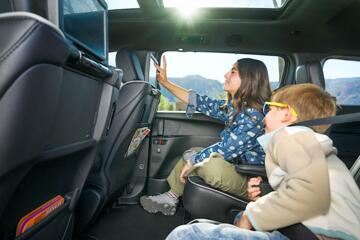
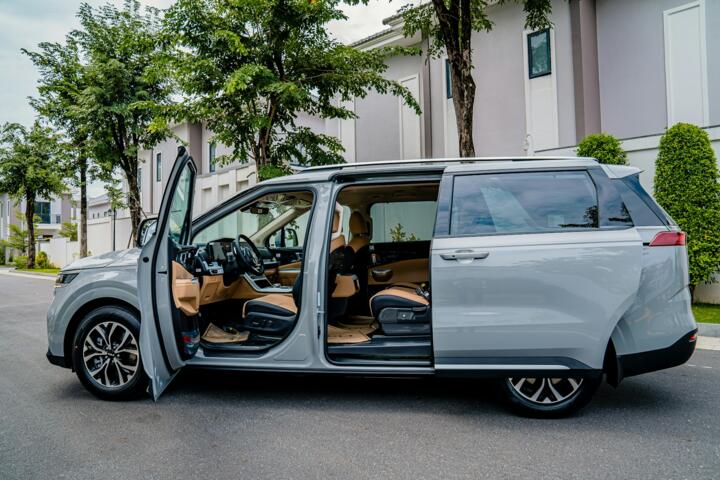
Choose sliding doors if tight parking and repeated child-seat loading matter. Sliding doors reduce the swing-space needed and reduce the chance of scraping a garage wall or another car. In practice, you can open the door without stepping into traffic, which matters when you’re loading kids quickly.
Check the door opening width and the step height. Some minivans have a lower sill, which helps with car seats, but exact measurements vary by model. Bring a tape measure and compare the opening to your garage clearance; I’ve seen buyers assume “it fits” and then discover the door hits a bike rack.
Look for power sliding doors if you regularly load in rain or snow. Power mechanisms add complexity, so confirm the warranty coverage for door motors and check for any reported recalls tied to door operation. If you drive 20,000 miles per year, even small convenience features can change how often you rush and how often you bump trim.
Third-row usability checks
Test third-row access with the second row set for child seats. Minivans often use a simpler “walk-in” style access, while many SUVs require more seat folding and more leg movement. In practice, the third row becomes either a real seating option or a storage area.
Measure legroom with a real person, not a ruler. Sit a driver in the second row, then place an adult in the third row and note knee-to-seat distance. If you’re comparing a Honda Odyssey and a Toyota Sienna, for example, both are designed for family use, but the exact third-row comfort still depends on trim and seat configuration.
Skip the “it’ll be fine” assumption. If the third row is only usable twice a month, you’ll feel the tradeoff every other day.
Fuel economy and costs
Compare EPA combined ratings for the specific engine and drivetrain. A minivan with a 3.5-liter V6 often targets mid-to-high 20 mpg combined, while many three-row SUVs with 3.0–3.5-liter V6 engines land lower. Hybrid versions can change the math: the Toyota Sienna hybrid has been rated higher than many non-hybrid three-row SUVs, but the exact figure depends on model year and testing cycle.
Run a simple fuel-cost estimate using your local gas price. If you drive 18,000 miles and the difference is 3 mpg, that can mean roughly 1,000 gallons over a few years—enough to notice. I keep a spreadsheet with my last 12 months of fill-ups; it’s the fastest way to spot whether the “better mpg” model actually matches your routes.
Also check how fuel economy changes with AWD. AWD can reduce mpg, especially in cold weather when the system engages more often. If you live where winter traction is frequent, the mpg gap can shrink or widen depending on how each vehicle manages AWD.
Towing and payload reality
Look at towing capacity and payload limits, not just towing. Many three-row SUVs advertise higher towing numbers, but payload can be the limiting factor once you add passengers, cargo, and a hitch-mounted bike rack. Minivans can tow too, but the practical limit often shows up sooner with heavy loads.
Check the maximum tongue weight and the recommended hitch class. A 2-inch receiver is common, but the vehicle’s cooling system and transmission calibration matter for sustained towing. If you tow 3,000–5,000 lb a few times per year, the difference between a 3.5-liter V6 and a smaller engine becomes more than a number.
Skip the “max towing” marketing view. Confirm the gross vehicle weight rating (GVWR) and subtract your typical passengers and cargo.
Child-seat fit and safety
Verify child-seat compatibility with the seatbelt routing and LATCH anchors. Minivans often have easier access to the second row, which can reduce installation errors. Three-row SUVs can work well, but the third row is frequently less convenient for rear-facing seats due to limited space and awkward belt angles.
Check for tether anchor locations and whether the second-row seats slide enough for your seat footprint. If you use a convertible seat, confirm it clears the seatback and doesn’t interfere with the seat’s forward travel. A quick test with your actual child seat model helps; manuals are specific, and the geometry matters.
Also check rear-seat ventilation and window size. On long trips, rear passengers notice heat buildup and airflow, and that can affect how often you stop. If your family uses booster seats, confirm the seat cushion height and whether the shoulder belt sits across the collarbone without adjustment.
Maintenance and repair patterns
Maintenance costs differ because the vehicle weight and drivetrain design differ. A three-row SUV’s higher curb weight often means heavier tire wear and more brake dust. Minivans can also be expensive when sliding-door components fail, but the failure modes are usually tied to specific mechanisms rather than general wear.
Ask for the maintenance schedule and check common service intervals. Many mainstream minivans and SUVs use similar oil-change intervals, but transmission service guidance varies by brand and model year. If the vehicle has a continuously variable transmission (CVT) or a multi-speed automatic, confirm the recommended fluid service interval and whether it’s “lifetime” in marketing but “inspect” in the manual.
Skip the “it’s just a family car” mindset. Transmission repairs and electrical issues can still be the biggest out-of-pocket items after the warranty ends.
Warranty, depreciation, and insurance
Compare warranty coverage for powertrain, bumper-to-bumper, and corrosion. Many brands offer 3 years/36,000 miles basic coverage and 5 years/60,000 miles powertrain, but some extend corrosion coverage to 6 years/100,000 miles. Confirm the exact terms for the model year you’re shopping.
Depreciation trends can be category-dependent. Minivans often depreciate differently than SUVs because fewer buyers cross-shop them, and that can affect resale value at 3–5 years. Insurance costs also vary: SUVs sometimes cost more to insure due to higher repair costs and higher vehicle values, but the exact difference depends on your ZIP code and driver profile.
Check actual quotes before you commit. A $60/month difference in insurance over 3 years is $2,160, which can erase a small fuel-economy advantage.
Mini Case Examples
A small service company with 2 vans and 1 three-row SUV faced a scheduling problem. They needed a vehicle for a supervisor who often rode with two techs and a rotating set of tools, plus occasional client transport. They switched from a three-row SUV to a minivan for the supervisor role, then tracked costs over 24 months. Fuel economy improved by about 2–3 mpg combined on their routes, and the supervisor reported fewer loading delays because sliding doors reduced garage and curb conflicts. Their maintenance spend on tires and brakes dropped slightly, but the bigger change was reduced “dead time” between jobs, which they estimated at roughly 30–45 minutes per week.
Another case involved a family with two rear-facing child seats and a stroller. They bought a three-row SUV first, then found the third row rarely used and the second row access slowed down school-day routines. They moved to a minivan and kept the same child seats. After 10 months, they reported fewer seat re-installation mistakes because the second-row access was easier and the door opening reduced awkward belt angles. Their fuel costs were slightly lower, and their car-cleaning time dropped because they used the third row less as storage and more as seating when needed.
Skip the “one weekend decision.” Track how often you use the third row and how long loading takes, then compare that to the vehicle’s real fuel and insurance costs.
Checklist for Side-by-Side
| Check | Minivan tends to | Three-row SUV tends to | What to do in person |
|---|---|---|---|
| Door access | Sliding doors reduce swing space | Hinged doors need more clearance | Park tight and load a child seat |
| Third-row use | Often easier access | Often more step-over and folding | Sit in row 3 after setting row 2 |
| Fuel economy | Often mid-to-high 20s mpg | Often mid-to-low 20s mpg | Compare EPA combined for your engine |
| Towing | Tows, but check GVWR limits | Often higher advertised towing | Subtract passengers and cargo |
| Child-seat fit | Easier access to anchors | Third row can be awkward | Install your seat, not a demo |
| Ownership costs | Tires/brakes vary by weight | Higher curb weight can raise costs | Get insurance quotes and service estimates |
Common Mistakes and Fixes
Buying based on seating count alone happens because ads show 7 or 8 seats. The impact is a third row that stays folded because access is slow. Avoid it by timing a full access cycle: set row 2 for a child seat, then move to row 3 and back. If it takes more than 60–90 seconds each time, you’ll stop using it.
Another mistake is ignoring how the cargo changes with the third row up. People see a big trunk with the third row down, then forget the third row is often needed. Avoid it by loading the trunk with the third row up and measuring usable space for a week’s groceries. Bring a few real items, not just a bag.
Skip the “assume the hybrid is always cheaper” trap. Hybrid systems can reduce fuel use, but they also add complexity and can change performance in cold weather. Avoid it by checking the EPA rating for your drivetrain and by asking how the battery is managed; some systems rely more on the engine when temperatures drop.
Finally, buyers sometimes skip insurance and registration costs until after financing. The impact is a higher monthly payment than expected. Avoid it by getting quotes for 2–3 trims and comparing deductibles, not just premiums. If the SUV costs $80/month more, that’s $2,880 over 3 years, which changes the “best deal” math.
FAQ
Which is easier for kids?
Minivans usually make child-seat use easier because sliding doors reduce awkward entry angles and because second-row access is often simpler. In a three-row SUV, the second row can work well, but the third row is frequently less convenient for rear-facing seats due to tighter space and seatback geometry. The practical test is to install your exact child seat model and check belt routing and LATCH anchor alignment. If you move seats between vehicles, confirm the time required and whether the anchors are easy to reach.
Do three-row SUVs tow more?
Many three-row SUVs advertise higher maximum towing ratings than minivans, but the usable towing limit depends on GVWR, payload, and how much weight you carry in passengers and cargo. A vehicle can list a high towing number while still limiting real-world towing once you add people, a hitch rack, and gear. Check the owner’s manual for tongue weight limits and the recommended hitch class. If you tow 3,500 lb regularly, compare cooling and transmission type, not just the headline number.
How much fuel can I save?
Fuel savings depend on engine choice and whether you compare a hybrid minivan to a non-hybrid SUV. EPA combined ratings often show minivans in the mid-to-high 20 mpg range, while many three-row SUVs land closer to the mid-to-low 20s, but AWD can shift results. Use your local gas price and your annual miles to estimate cost. For example, a 3 mpg difference over 18,000 miles can mean roughly 600 gallons versus 540 gallons, which can be hundreds of dollars per year.
What breaks more often?
Repair frequency varies by model year, drivetrain, and how the vehicle is driven. Sliding-door mechanisms can add a failure point on minivans, while SUVs often face higher wear from greater curb weight and tire size. The best evidence comes from brand-specific reliability reports and warranty claim patterns, but those vary by source and year. Before buying, check service history for common items like brake wear, suspension bushings, and infotainment glitches, and confirm whether any recalls apply to the exact VIN.
Which holds value better?
Resale value depends on demand in your region, the specific trim, and whether the vehicle has a hybrid powertrain. In general, minivans can hold value differently than SUVs because fewer buyers cross-shop them, and that can create swings at 3–5 years. SUVs also tend to have broader demand, but repair costs can be higher. To judge your case, compare recent sales of the same model year and trim within 500 miles, then check typical mileage bands.
Author's Insight
Minivans and three-row SUVs solve the same problem, but they do it with different packaging. Sliding doors and second-row access reduce daily friction, while SUV height and ground clearance change how the vehicle feels on rough roads. I’d treat fuel economy and insurance as the first two ownership-cost filters, then verify child-seat fit with the actual seat. If you’re comparing a hybrid minivan to a non-hybrid SUV, cold-weather behavior and battery management can matter more than the brochure number.
Skip the “spec-only” comparison. A 20-minute hands-on session with your child seat and your typical parking setup usually reveals the real winner.
Key Takeaways
Choose the vehicle type that matches your loading routine, not just your seating count. Minivans tend to win on door access and third-row usability, while three-row SUVs often win on driving position and sometimes towing headroom. Next steps: compare EPA combined mpg for the exact engine, get insurance quotes for the trims you want, and test child-seat installation in the second row. If you tow, subtract passengers and cargo from GVWR before trusting the maximum towing figure.
Limits exist in both categories. A third row that’s hard to access becomes unused space, and a heavier SUV can raise tire and brake costs. If you’re seeing recurring issues like persistent warning lights, unusual driveline noises, or repeated child-seat installation problems, consult a qualified technician and a certified child passenger safety technician. That’s the fastest way to avoid expensive trial-and-error after purchase.