SUV Seating Options
SUVs come mainly in two seating configurations: two-row and three-row. Each configuration targets a different set of needs and affects vehicle size, weight, and performance. A typical two-row SUV seats five passengers, while three-row SUVs accommodate seven to eight. For example, the 2024 Toyota RAV4 offers a two-row layout, while the Toyota Highlander includes three rows for extra seating.
Two-row SUVs generally measure between 180 and 190 inches in length, making them easier to maneuver. Three-row versions push beyond 200 inches to fit additional rows, impacting parking and agility. According to the EPA, larger three-row SUVs often average 1–3 miles per gallon less than their two-row counterparts. That difference matters over tens of thousands of miles—and fuel costs.
Space isn’t only about how many people sit inside but how much cargo or gear fits alongside. For instance, a Kia Sorento 2-row version provides up to 75 cubic feet with rear seats folded, compared to roughly 50 cubic feet with all three rows in use. This trade-off becomes vital for anyone hauling sports equipment or luggage.
Common SUV Missteps
Many buyers select three-row SUVs expecting they will often fill all seats. But the third row frequently goes unused, becoming dead space that lowers cargo capacity and fuel economy. Overload happens too: cramming adults into cramped third rows can cause discomfort and even safety concerns on long trips.
Ignoring parking and urban driving challenges leads to frustration too. Larger three-row SUVs have wider turning radii, sometimes exceeding 40 feet, and need more parking space. In tight city garages or streets, this can become a hassle.
Some miss how weight affects maintenance. Most three-row SUVs weigh between 4,500 and 5,500 pounds, straining brakes and tires more than two-row models with curb weights near 3,800 to 4,200 pounds. This difference brings more frequent brake pad replacements and tire wear if driving aggressively or off-road.
Choosing the wrong size also impacts resale. Three-row SUVs from less popular brands often depreciate faster because buyers prefer smaller options in the secondhand market. This reduces trade-in value after three to four years.
Finding the Perfect Fit
Assess Your Passenger Needs
Count how many passengers ride regularly. A two-row SUV comfortably seats five. If your family includes three or more growing kids or regularly transports friends, three rows may be good. But if you mostly haul a couple of people, three rows add unnecessary space and weight.
Check Cargo Versatility
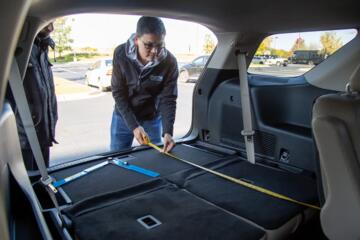
Measure your typical load. Two-row SUVs with rear seats down often beat three-row vehicles at cargo volume. For instance, the Honda CR-V’s maximum cargo capacity hits 75.8 cubic feet, compared to the three-row Pilot’s 55.9 with all seats folded. If you carry bulky equipment, two rows might suit better.
Test Drive Both Sizes
Driving a three-row SUV feels bulkier. The steering typically demands more effort, and visibility suffers due to extra rear pillars. Two-row SUVs like Mazda CX-5 offer nimble handling and better sightlines. On highways, however, both deliver stable rides, albeit with distinct fuel and noise levels.
Analyze Fuel and Maintenance Costs
Smaller SUVs average around 24-28 MPG combined, while larger three-rows may drop to 19-23 MPG. Over 15,000 miles annually, that difference can add $200-$400 in fuel expense. Heavier vehicles cost more on brakes and tires; budget for slightly higher maintenance in three-row units.
Use Real-World Features
Consider seat comfort. Third rows in many three-row SUVs fit kids, but many adults find legroom or headroom insufficient on long drives. Two-row SUVs prioritize space per occupant, improving comfort during commutes and road trips.
Factor Parking and Maneuvering
Urban dwellers should consider vehicle length and width. Searching for parking in a three-row SUV—around 77–79 inches wide—gets quickly exhausting. Two-row variants typically remain under 75 inches in width, fitting narrow spaces easier.
Financial Benefits of Two Rows
Besides lower fuel bills, two-row SUVs originally cost 10-20% less. Insurance premiums tend to be lower too. If budgets are tight, saving money upfront and ongoing outweighs imagined convenience of third-row seats.
Leverage Technology and Seating Flexibility
Some two-row SUVs offer advanced seating options like sliding or reclining rear seats, enhancing comfort and cargo space balance. Models like Subaru Outback add ruggedness with these benefits. Three-row SUVs are also advancing with removable third rows in latest Ford Explorer trims for multi-purpose use.
Consider Usage Frequency
Do you use seven seats weekly or once every few months? If the latter, renting a three-row SUV when needed saves money and avoids daily compromises in fuel and cargo volume.
Real-World Examples
A family of five in Denver upgraded from a two-row Jeep Cherokee to a three-row Kia Telluride. Their challenge: weekend trips with grandparents and gear. Result: Third row fit grandparents albeit tight; cargo was reduced to 25 cubic feet with seven seats up. They accepted reduced fuel economy (19 MPG vs. previous 23 MPG) for convenience.
Meanwhile, a tech consultant in Austin shifted from a Ford Explorer to a two-row Toyota RAV4 to cut commuting stress and expenses. Despite occasional ridesharing needs, cargo space increased with rear seats folded, and fuel costs dropped by $300 yearly. Parking and agile handling improved city life.
Two vs Three Checkpoints
| Aspect | Two-Row SUV | Three-Row SUV | Typical Range |
|---|---|---|---|
| Seating Capacity | 5 passengers | 7-8 passengers | 5 vs 7+ seats |
| Cargo Space (cu ft) | 65-75 (folded) | 45-55 (all seats up) | 20-30 cu ft diff |
| Efficiency (MPG) | 24-28 MPG | 19-23 MPG | ~20% difference |
| Length (inches) | 180-190 | 200-210 | 10-20 inch gap |
| Avg Weight (lbs) | 3800-4200 | 4500-5500 | ~1000 lbs diff |
| Price Range ($) | $28,000-$40,000 | $38,000-$55,000 | High initial cost |
Errors to Avoid
Don’t overestimate the need for extra seats. Many buy three-row SUVs for occasional trips but endure cramped rides and reduced cargo most of the time.
Ignoring fuel economy differences bugs owners after a few months, especially with rising gas prices. Small savings up front turn costly long term.
Avoid assuming all third rows fit adults comfortably. Test with all passengers; legroom varies widely.
Failing to check parking space before purchase leads to daily inconveniences and possible parking tickets.
Neglecting total ownership cost—including maintenance and insurance—results in surprises that spoil SUV ownership satisfaction.
FAQ
How much more does a three-row SUV cost?
Typically, three-row SUVs run $5,000 to $15,000 more than comparable two-row models, depending on brand and trim.
Are third rows safe for children?
Yes, most third rows include safety features like LATCH anchors and airbags, but always check specific vehicle crash ratings.
Can two-row SUVs handle large cargo?
Yes, with rear seats folded, many two-row SUVs surpass three-rows in cargo capacity, sometimes exceeding 70 cubic feet.
Do three-row SUVs have worse fuel economy?
On average, they get 15-20% fewer miles per gallon due to higher weight and size, impacting running costs.
Is parking harder with a three-row SUV?
Yes, because of additional length and width; tight urban spots can be challenging without advanced parking aids.
Author's Insight
I've driven both configurations extensively across urban and rural routes since 2015. Three-row SUVs definitely suit active families with frequent group outings. Yet many owners don’t optimize those extra seats, paying a penalty in fuel and tight spaces. I recommend listing out who rides daily before picking. Sometimes less is more, especially with the unpredictability of traffic and parking. Also, factor in maintenance differences; bigger often means more upkeep over time.
Summary
Evaluate your passenger count, cargo habits, and driving environment carefully. Two-row SUVs offer better fuel efficiency, easier parking, and more cargo. Three-row SUVs deliver maximum seating but add weight, cost, and compromise comfort or space. Testing vehicles with real passengers and gear reveals the truth more than specifications alone. Think about how often you truly fill all seats or need extensive cargo room before committing. The right choice matches daily practicality over hypothetical needs.