Electric SUV Charge Costs
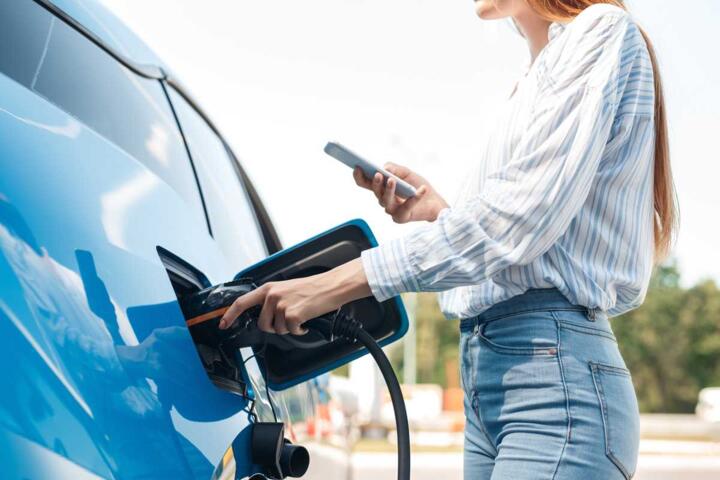
Charging costs for electric SUVs depend on multiple factors: electricity rates, battery capacity, charging speed, and where you charge (home vs. public stations). An average electric SUV battery ranges from 50 kWh to 75 kWh, and charging costs are generally calculated by multiplying kilowatt-hours consumed by the local electricity rate.
For example, if your home electricity rate is $0.13 per kWh, fully charging a 60 kWh battery costs roughly $7.80. According to the U.S. Energy Information Administration (EIA), the average residential electricity price in 2023 is 15.7 cents per kWh, though this varies widely—from under $0.10/kWh in states like Washington to over $0.30/kWh in California.
Charging at public stations often incurs higher rates, ranging from $0.20 to $0.70 per kWh depending on the provider and speed, influenced by demand charges and convenience fees.
Home Charging
This is the most cost-effective option and accounts for around 80% of EV charging. Utilizing off-peak rates can lower costs further.
Public Charging Stations
Ideal for long trips or when home charging isn’t available, but prices are typically higher and can significantly impact the overall cost per mile.
Charging Cost Problems
Misunderstanding True Cost of Charging
Many buyers focus solely on vehicle MSRP but overlook how charging costs influence total ownership costs. Drivers who underestimate high public charging rates or irregular electricity pricing end up spending more than expected.
Inconsistent Electricity Rates
Electricity rates vary by region and time of day. Ignoring these fluctuations can lead to paying premium prices for charging when rates spike.
Charging Speed Trade-Offs
Fast charging (DC fast chargers) is convenient but much more expensive and can degrade battery life over time, increasing long-term costs.
Impact on Budgeting
Unexpectedly high charging costs impact household budgets and could discourage potential electric SUV buyers.
Real-life Example
A California driver with an electric SUV spending $0.30/kWh on public fast chargers saw monthly electricity-related vehicle costs triple compared to home charging.
Solutions & Advice
Prioritize Home Charging Installation
Invest in a Level 2 home charger (240V) for faster, cheaper charging. Installation may cost $500-$1,500 but pays off with lower per-charge costs. Example: A Tesla Model Y owner can reduce charging costs from $0.30/kWh public chargers to $0.15/kWh home electricity.
Use Time-of-Use (TOU) Rates
Many utilities offer discounted rates during off-peak periods (typically overnight). Scheduling charging at night can reduce costs by up to 30%. Utilities like Pacific Gas & Electric and Consolidated Edison provide TOU plans suitable for EV owners.
Leverage Incentives and Rebates
Federal tax credits and local utility rebates for home charger installation reduce initial costs. For example, the U.S. federal tax credit under the Inflation Reduction Act offers up to $1,000 for residential EV charger installations.
Limit Public Charging Use
Reserve fast charging only for necessary trips to avoid high fees and battery degradation. Instead, rely on home charging or workplace chargers.
Use Charging Apps for Rate Comparison
Apps like PlugShare and ChargePoint allow you to compare pricing and find affordable stations in real-time. ChargePoint offers pricing transparency across thousands of stations, enabling smarter charging decisions.
Case Studies
Case Study 1: Company Fleet EV Deployment
Company: Delivery logistics provider in Texas
Problem: High operational cost driven by expensive public fast charging.
Action Taken: Installed Level 2 chargers with solar panel integration for employee home use and signed up for TOU rates.
Result: Reduced EV energy costs by 40%, saving approximately $3,200 per vehicle annually, greatly enhancing fleet ROI.
Case Study 2: Individual EV Owner in New York
Problem: Unexpectedly high charging costs using public chargers at $0.60/kWh.
Action Taken: Invested in home chargers and switched to TOU rates.
Result: Monthly charging costs dropped from $90 to $30, improving overall budget planning.
SUV Charging Comparison
| Model (kWh) | Home vs Public Cost | Range | Typical MSRP |
|---|---|---|---|
| Kona Electric (64) | $8.32 / $25.60 | 258 mi | $34,000 |
| Bolt EUV (65) | $8.45 / $26.00 | 247 mi | $33,500 |
| Niro EV (64) | $8.32 / $25.60 | 239 mi | $39,000 |
| Model Y (75) | $9.75 / $30.00 | 330 mi | $47,000 |
Common Mistakes
Skipping Home Charger Installation
Too many new EV buyers rely on public charging, unaware of the cost difference. Installing a Level 2 charger saves money and simplifies routines.
Ignoring TOU Electricity Plans
Research your utility’s plans and enroll to save potentially hundreds annually.
Overusing Fast Chargers
Frequent use speeds up battery degradation and inflates charging costs. Use them sparingly for emergencies.
Not Monitoring Charging Behavior
Use apps or EV dashboards to track energy consumption and adjust habits accordingly.
Failing to Research Local Incentives
Utilities and governments often provide rebates. Missing these can increase upfront costs unnecessarily.
FAQ
What is the average cost to fully charge an electric SUV at home?
The average cost typically ranges between $7 and $10 depending on battery size and electricity rates, usually around $0.13 per kWh in the U.S.
How does public charging pricing compare to home charging?
Public charging is often 2-3 times more expensive than home charging, with prices between $0.20 and $0.70 per kWh, influenced by charger speed and location.
Can time-of-use rates significantly reduce charging costs?
Yes, scheduling charging during off-peak hours can lower costs by 20% to 40%, depending on your utility’s pricing structure.
Are there any incentives for installing home EV chargers?
Many regions offer rebates or tax credits for home charger installations, such as the U.S. federal tax credit of up to $1,000 under the Inflation Reduction Act.
Which electric SUV offers the best balance of affordability and charging cost?
Models like the Hyundai Kona Electric and Chevrolet Bolt EUV provide affordable upfront pricing combined with moderate battery sizes, supporting lower charging costs overall.
Author's Insight
As someone who has owned and tested several affordable electric SUVs, I can confirm that charging costs are a critical but often overlooked factor in total ownership cost. Installing a reliable Level 2 charger at home dramatically lowers expenses and improves convenience. Educating yourself on your utility’s rate plans and using apps to manage charging schedules made a tangible difference in my monthly budget. My practical advice: factor in charging costs alongside vehicle price before jumping into an electric SUV purchase to avoid surprises and maximize long-term savings.
Summary
Affordability in electric SUVs extends beyond MSRP to include charging expenses influenced by battery size, electricity rates, and charging habits. Prioritize home charging installation, seek out off-peak electricity plans, limit expensive public fast charging, and leverage incentives to minimize costs. By understanding these factors and applying practical strategies, prospective buyers can confidently choose the most cost-efficient electric SUV for their needs.