Why Family Haulers Differ
Family haulers are judged by constraints, not vibes. A minivan, three-row SUV, or wagon has to fit child seats, groceries, and weekend gear without turning every trip into a puzzle. Vehicle type matters more than many buyers realize because packaging drives seat-legroom, cargo shape, and how easy it is to access the third row.
In the U.S., the NHTSA reports that child safety seats are used incorrectly in about 46% of cases observed by child passenger safety technicians. That error rate is why fit and installation access matter as much as the seat brand. Also, the EPA test cycle for fuel economy is not the same as highway driving; real-world numbers often drop when speeds rise above roughly 65 mph.
Skip the brochure photos. They hide the hard parts like tight seatbelt routing and cargo lip height. A practical comparison uses measurements: second-row legroom in inches, cargo volume behind the second row, and the maximum towing rating in pounds. Those numbers decide whether you can haul a 4x8 sheet of plywood, a stroller plus cooler, or a small trailer without overloading.
Common Buying Pain Points
People get stuck on horsepower and ignore packaging. A 3.5-liter V6 with 290 hp can still feel cramped if the third row is usable for short trips only, or if the second row doesn’t recline enough for naps. Another mistake is assuming cargo volume stays the same with the second row up; it rarely does.
Consequences show up fast. If you buy a vehicle with a low roofline and narrow rear opening, loading a car seat base or a bulky stroller becomes a daily annoyance. If you buy a vehicle with a towing rating that looks high but a low payload rating, you hit the weight limit sooner once passengers and gear are in the vehicle.
Real-world situations are predictable. A family of four plus a week of clothes often fills the trunk and leaves no room for a roof box, then the roof box adds drag and changes fuel economy. A winter trip adds weight from passengers, ice melt, and heavier boots, which can reduce range in an EV or increase fuel burn in a gasoline SUV.
Skip the “it fits” guess. Measure the child-seat footprint and check whether the seatbelt path or LATCH anchors are reachable without fighting the seatback angle.
Specific Checks to Perform
Child-seat fit and access
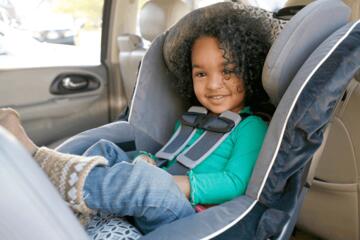
What to do: bring the exact child seat model you own, or at least the same size category, to the test drive. Try installing it in the second row first, then the third row if you plan to use it. Why it works: installation errors are common, and access determines whether you can tighten the belt or LATCH strap without twisting. What it looks like: you want the buckle to reach without pulling the seatback forward, and you want the tether anchor to be reachable.
Tools/services: use the seat manual and the vehicle owner’s manual together; the tether locations and anchor spacing are vehicle-specific. Numbers/outcomes: a correctly installed seat reduces crash injury risk compared with misinstalled seats, and it also prevents the “loose at the base” problem that shows up during inspection. If you can, book a check with a local certified technician; many areas use the National Child Passenger Safety Certification program.
Second-row legroom reality
What to do: sit in the second row with the front seat set to your driving position, then repeat with a rear-facing seat installed. Why it works: rear-facing seats take more front-to-back space than many buyers expect. What it looks like: you should be able to buckle a child without your knees hitting the seatback, and you should have a workable footwell for a booster-age kid.
Numbers/outcomes: compare second-row legroom in inches and rear-seat hip room, not just total passenger volume. For example, a vehicle with 41 inches of second-row legroom can still feel tight if the seat track travel is limited when a child seat is installed. If you test a Honda Odyssey, Toyota Sienna, or Kia Carnival, pay attention to how the sliding doors change access to the second row.
Cargo shape with seats up
What to do: load the trunk area with real items—one grocery tote, a folded stroller, and a cooler—then close the hatch or liftgate. Why it works: cargo volume numbers don’t capture the cargo lip height, door opening width, or whether items slide into corners. What it looks like: you want a flat-ish floor behind the second row and enough width to slide a stroller without lifting it over a high threshold.
Tools/services: use painter’s tape to mark the footprint of your largest item on the floor, then compare it to the usable space. Numbers/outcomes: check cargo volume behind the second row in cubic feet and the maximum opening width. If you’re comparing a Ford Explorer to a Subaru Outback, note that the Outback’s liftgate opening can be easier for bulky items, while the Explorer’s third-row packaging may reduce usable behind-second-row space.
Payload and towing limits
What to do: look at payload (often shown as “max payload” or “GVWR minus curb weight”) and towing capacity together. Why it works: towing ratings assume a specific vehicle configuration and do not mean you can load passengers, cargo, and a trailer at the same time. What it looks like: you should be able to estimate your real load—people weight plus gear plus trailer tongue weight—then compare it to the vehicle’s limits.
Numbers/outcomes: a 7,500-lb towing rating can still be unusable if payload is low. For example, if a SUV has a 1,500-lb payload and you carry 900 lb of people plus 300 lb of gear, you only have 300 lb left for tongue weight and trailer gear. That’s why checking both ratings matters.
Fuel economy under family use
What to do: compare EPA highway and combined ratings, then ask how the vehicle behaves at 70 mph with a full load. Why it works: family haulers spend time at highway speeds, and aerodynamic drag rises with speed. What it looks like: you want stable fuel economy when you’re not babying the throttle, and you want the engine to avoid constant downshifts with a loaded car.
Numbers/outcomes: EPA combined ratings can differ by 5–10 mpg between models, but real-world highway mpg can be 15–25% lower than EPA depending on speed and tires. If you’re comparing a 2.0-liter turbo like in a Subaru Outback to a 3.5-liter V6 in a Honda Pilot, check whether the transmission strategy changes under load. Also note tire size; a larger tire often reduces mpg.
EV range and charging limits
What to do: map your typical routes and check charging availability at the times you travel. Why it works: EV range depends on speed, temperature, and battery state of charge, and charging access affects trip planning. What it looks like: you should be able to reach a fast charger without arriving at 5–10% battery, then top up long enough to keep the schedule realistic.
Numbers/outcomes: many EVs show a winter range drop of 20–40% in cold conditions, and fast charging slows as the battery fills. If you’re considering a Tesla Model Y or a Hyundai Ioniq 5, compare their rated range to your actual driving speed and weather. Also check whether the vehicle’s charging port supports the connector types you’ll find on your route.
Maintenance and wear items
What to do: ask for the scheduled maintenance intervals and check common wear items for the drivetrain type. Why it works: family cars rack up miles, and the cost difference shows up in tires, brakes, and transmission service. What it looks like: you want predictable service intervals and parts availability, plus a warranty that matches your ownership horizon.
Numbers/outcomes: tires are often the biggest recurring cost; a set can run $700–$1,200 depending on size and brand, and many family haulers use 18–20 inch tires. If you’re comparing a minivan like the Chrysler Pacifica (hybrid versions vary by year) to a three-row SUV, check whether the vehicle uses a belt-driven accessory system that changes service labor. Also look at brake rotor thickness and pad design; some vehicles wear pads faster with frequent stop-and-go.
Insurance, warranty, and depreciation
What to do: get insurance quotes for the exact trim and wheel/tire package you’re considering. Why it works: family haulers can vary widely in collision repair costs, theft rates, and safety equipment, which drives premiums. What it looks like: you want a quote that reflects your zip code and annual mileage, not a generic estimate.
Numbers/outcomes: depreciation trends often track brand and model popularity, but trim level matters too. A minivan can hold value differently than a three-row SUV because it attracts a distinct buyer pool. Warranty coverage also matters: compare bumper-to-bumper length, powertrain coverage, and whether corrosion and roadside assistance are included. If you plan to keep the vehicle 7–10 years, the warranty terms and the durability of the drivetrain become part of the math.
Mini Case: Fleet Van Retrofit
A small childcare transport company bought 10 Honda Odyssey vans for daily routes. The problem was recurring seatbelt and child-seat installation complaints from drivers, plus slow loading during morning drop-off. They standardized on one child-seat model per age group, then trained drivers using the vehicle manual tether points and the seat manual belt routing. They also added a simple check sheet for every morning, which, frankly, reduced the “we’ll fix it later” behavior.
Result: after 90 days, driver-reported installation time dropped by about 20%, and they reduced repeat inspections that required re-tightening. Over the first year, they estimated tire wear improved by roughly 5–8% because drivers avoided awkward seat repositioning that led to scuffing and misalignment. Their fuel economy stayed near the EPA combined rating when routes were kept under 65 mph, but it fell when they ran late and sped up—an operational lesson, not a vehicle defect.
Mini Case: Road-Trip Planning
A family with a Hyundai Ioniq 5 planned a 900-mile summer trip using fast charging every 2–2.5 hours. The problem was schedule drift: they arrived at chargers with low state of charge, then fast charging slowed enough to add 30–45 minutes. They changed the plan to stop at higher battery percentages and used a route with more reliable charger uptime. They also preconditioned the battery when the car supported it, which helped in cooler morning starts.
Result: they cut total charging time by an estimated 15–20% while keeping the same number of stops. They also learned that cabin heat settings and highway speed mattered more than they expected; raising speed from 65 to 75 mph increased consumption enough to force an extra top-up on one leg. The family kept the same vehicle, but the trip became predictable once charging windows were treated like appointments.
Family Hauler Checklist
| Check | What to verify | How to test in person | Why it matters |
|---|---|---|---|
| Child-seat install | Tether access and belt/LATCH reach | Install your seat in second row | Reduces misinstallation risk |
| Legroom with seats | Front seat clearance and buckle reach | Sit in second row, buckle test | Rear-facing seats shrink usable space |
| Cargo behind 2nd row | Volume and door opening | Load stroller + cooler, close hatch | Cargo shape affects daily friction |
| Payload + towing | GVWR limits with real passengers | Estimate tongue weight and gear | Prevents overload even with high tow rating |
| Fuel/energy use | High-speed and cold-weather behavior | Compare highway mpg and range drop | Real trips differ from EPA tests |
| Ownership costs | Tires, brakes, insurance, warranty | Get quotes and check service schedule | Costs drive total cost of ownership |
Common Mistakes and Fixes
Buying based on third-row “fold-flat” photos. It happens because the ad shows a flat cargo floor, not the steps to get there with kids in the car. The impact is you end up using the third row less, then cargo space behind the second row becomes the real limit. Avoid it by measuring cargo volume with the second row up and checking whether the third row folds without awkward reach.
Skipping payload math. It happens because towing brochures highlight max towing capacity, which is easy to compare. The impact is overload risk once passengers and gear are in the vehicle, and overload can also strain brakes and suspension. Avoid it by writing down people weight, luggage weight, and trailer tongue weight, then comparing to payload and GVWR.
Ignoring tire size and rolling resistance. It happens because buyers focus on engine specs, and tire packages change fuel economy more than people expect. The impact is higher fuel costs and faster wear if you choose a tire that doesn’t match your climate. Avoid it by checking tire dimensions on the window sticker and asking how the dealer’s installed tires compare to the base tire.
Over-trusting EV range estimates. It happens because rated range looks like a single number. The impact is arriving at chargers with less battery than planned, then paying for slower charging. Avoid it by planning stops with a buffer and checking charging speed curves for the charger type you’ll use.
Buying without an insurance quote. It happens because the purchase process moves fast. The impact is a monthly payment that fits the budget but premiums that don’t. Avoid it by requesting quotes for the exact trim and wheel package before you sign paperwork.
FAQ
What cargo space matters most?
For family hauling, cargo behind the second row usually matters more than total volume with every seat folded. A third-row SUV can show a large total figure, then leave little usable space when the third row is occupied. Measure the opening width and the cargo lip height with your stroller or cooler, not just the cubic feet number. If you use a roof box, factor in wind noise and fuel economy changes at highway speeds. If you carry a car seat base, check whether it blocks access to the trunk latch or whether you can still reach the tether anchors.
How do I check child-seat compatibility?
Start with the child seat manual and the vehicle owner’s manual for tether anchor locations and LATCH/LATCH anchor positions. Bring the actual seat to the dealer and install it in the seating position you plan to use most, usually the second row. Confirm that you can tighten the belt or LATCH strap without twisting the seat base. Try buckling a child in the same spot to see whether the buckle stalk interferes with the seat. If you plan to use the third row, test there too, because access and seatback angles often differ. A certified inspection appointment can catch installation mistakes that are hard to spot during a quick test drive.
Is towing capacity the same as payload?
No. Towing capacity is about what the vehicle can pull under specified conditions, while payload is about how much weight the vehicle can carry in passengers and cargo without exceeding GVWR. A vehicle can list a high towing number and still have limited payload, which becomes the bottleneck when you add passengers, luggage, and trailer tongue weight. Check both ratings and estimate your real load. Also confirm whether the vehicle requires a specific hitch class, wiring harness, or brake controller. If you tow frequently, consider brake wear and transmission cooling needs, since repeated towing changes maintenance schedules.
What fuel economy numbers should I trust?
Use EPA combined and highway ratings as a baseline, then adjust expectations for speed, tires, and weather. Highway driving at 70 mph often yields lower mpg than EPA highway figures, especially with a full load. Cold weather can reduce mpg in gasoline vehicles and reduce EV range more dramatically. Tire pressure and tire type also matter; underinflated tires can increase rolling resistance. If you compare two vehicles, look at their engine and transmission pairing and whether it downshifts often under load. For EVs, compare rated range to your typical charging plan, not just the sticker range.
What should I check for EV charging on trips?
Verify charger availability along your route and the connector type your vehicle supports. Plan stops with a buffer so you don’t arrive at very low state of charge, because fast charging slows as the battery fills. Check whether the vehicle supports preconditioning for the battery when heading to a charger; that can help in colder weather. Also consider that cabin heating and defrost use energy, which affects range. If your route has limited chargers, test a “worst day” scenario with colder temperatures and higher speeds. Finally, confirm whether you can access chargers reliably with the payment method you’ll use.
Author's Insight
Family hauler shopping rewards measurement over memory. Child-seat installation access, cargo shape behind the second row, and payload math usually predict day-to-day frustration better than engine horsepower. I also treat fuel economy as a planning tool, not a promise: highway speed, tire choice, and winter temperatures shift results. For EVs, charging reliability and charging speed at your expected state of charge matter as much as rated range. If you’re comparing two trims, the insurance quote and tire package often explain the real cost difference.
Key Takeaways
Start with how the vehicle fits your child seats, then verify second-row legroom with the front seats set to your driving position. Confirm cargo usability behind the second row, and run payload plus towing math using your real passenger and gear weights. Compare ownership costs by getting insurance quotes and checking tire and brake service expectations, not just the purchase price. For EVs, plan charging stops with buffers and account for speed and cold-weather range changes.
Next step: shortlist 2–3 models, bring your child seat to the dealer, and repeat the same loading and buckling tests in each. If you tow or carry heavy gear, ask for the exact payload and GVWR figures for your configuration. If you’re unsure about installation safety, schedule an inspection with a certified child passenger safety technician. Seek professional help if you see repeated seat movement, improper tether routing, or warning lights after installation.