Understanding The Numbers
Most drivers know how to compare gasoline cars. You look at miles per gallon and make a rough estimate of fuel costs. Electric vehicles use a different system, and that can make even experienced car shoppers pause.
The window sticker on an EV usually shows MPGe, kilowatt-hours per 100 miles, driving range, and annual energy costs. Those figures come from testing conducted under procedures developed by the U.S. Environmental Protection Agency.
The labels look simple.
Yet each number answers a different question. Range tells you how far the vehicle can travel. Energy consumption shows how much electricity it uses. MPGe translates electricity into a format that gasoline drivers can recognize.
A driver comparing a Tesla Model 3, Hyundai Ioniq 6, and Lucid Air may see all three exceed 100 MPGe. That does not mean they perform identically. It means they convert stored energy into movement with a similar level of efficiency.
The distinction matters because efficiency affects charging costs long after the purchase price is forgotten.
Where Buyers Get Confused
The biggest misunderstanding is treating EV range as the same thing as EV efficiency. They are related, but they are not identical.
A large battery can produce a long range figure even if the vehicle consumes more electricity per mile. A smaller battery paired with excellent efficiency may travel fewer total miles while using energy more wisely.
Range grabs attention first.
Another common mistake is assuming the EPA rating matches every driving situation. Highway speeds above 75 mph, winter temperatures, strong winds, and steep terrain can reduce real-world results by 10%, 20%, or even more.
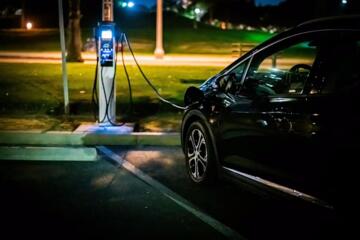
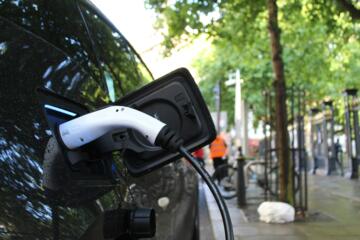
Drivers also overlook charging losses. Electricity drawn from the wall is not always the same amount that reaches the battery. Some energy is lost as heat during charging.
That difference seems minor until you calculate yearly costs.
Reading Efficiency Ratings
Understand MPGe First
MPGe stands for miles per gallon equivalent. The EPA uses a formula that compares the energy stored in one gallon of gasoline with electrical energy. One gallon of gasoline is treated as equal to 33.7 kilowatt-hours.
A vehicle rated at 120 MPGe can travel farther using the same amount of energy than a vehicle rated at 90 MPGe. Higher numbers indicate better efficiency.
Start with MPGe. It gives a quick way to compare electric vehicles against each other.
Look At kWh Per 100 Miles
Many EV enthusiasts prefer kilowatt-hours per 100 miles because it directly measures electricity use. Lower numbers are better.
A Hyundai Ioniq 6 may consume roughly 24 to 25 kWh per 100 miles. A larger electric SUV could require more than 35 kWh for the same distance.
The difference adds up. Over 15,000 miles annually, a gap of 10 kWh per 100 miles can translate into hundreds of kilowatt-hours of extra electricity.
Separate Range From Efficiency
Long range often dominates marketing campaigns. Buyers naturally focus on the biggest number on the sticker.
Resist that instinct. A 320-mile EV with excellent efficiency may cost less to operate than a 400-mile model carrying a heavier battery pack.
Battery size changes the equation.
The larger battery may deliver more range while consuming more electricity during everyday driving.
Compare Similar Vehicle Types
Comparing an electric pickup with a compact sedan rarely produces useful conclusions. Vehicle size, weight, aerodynamics, and tire design heavily influence efficiency.
A Tesla Model Y and Ford Mustang Mach-E belong in the same conversation. A Rivian R1T and Chevrolet Silverado EV belong in another.
The fairest comparison starts with vehicles serving the same purpose.
Pay Attention To Highway Ratings
EVs often achieve their strongest efficiency numbers in city driving because regenerative braking captures energy during slowing and stopping.
Highway travel is different. Sustained speeds require a constant flow of energy, and aerodynamic drag rises rapidly as speed increases.
Air resistance becomes expensive.
A driver covering 50 highway miles daily may care more about high-speed efficiency than city-focused testing results.
Factor In Weather Effects
Temperature influences battery performance more than many new buyers expect. Cold weather can reduce range because batteries operate less efficiently and cabin heating requires additional energy.
Tests conducted by organizations such as AAA and Consumer Reports have repeatedly shown winter driving can reduce range by 15% to 30% under challenging conditions.
Hot weather creates its own penalties when air conditioning works continuously.
Calculate Actual Energy Costs
Electricity prices vary dramatically. Some households pay less than 12 cents per kilowatt-hour. Others pay more than 35 cents.
Skip rough guesses. Multiply the vehicle's kWh-per-100-mile figure by your local electricity rate.
A vehicle using 28 kWh per 100 miles at 15 cents per kWh costs about $4.20 per 100 miles. At 30 cents, that same trip costs $8.40.
The sticker becomes far more useful once local utility rates enter the conversation.
Real-World Examples
Consider a driver choosing between a Tesla Model 3 Rear-Wheel Drive and a Ford F-150 Lightning.
The Tesla delivers substantially better efficiency because it is lighter, lower, and more aerodynamic. The truck carries a larger battery and offers greater utility, but it requires more energy for every mile traveled.
The answer depends on needs.
If the goal is commuting 60 miles each day, the sedan may consume thousands fewer kilowatt-hours over five years. If towing equipment and hauling materials are part of daily life, efficiency becomes only one factor among many.
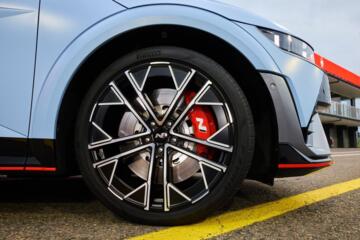
Another example comes from two popular crossovers. A Hyundai Ioniq 5 and a Kia EV6 share underlying technology, yet wheel size choices can noticeably affect efficiency. Larger wheels often improve appearance while reducing range and energy performance.
A few inches can matter more than buyers expect.
A Simple Comparison Guide
| Metric | High | Medium | Low |
|---|---|---|---|
| MPGe | 120+ | 95-119 | Below95 |
| kWh100 | Below25 | 25-34 | 35+ |
| Range | 350+ | 250-349 | Below250 |
Common Buyer Mistakes
Many shoppers chase the highest range figure without examining efficiency. That can lead to higher charging costs for years.
Others compare EPA estimates from different vehicle categories and assume the numbers reflect identical driving conditions. They do not.
Ignore marketing headlines.
Some buyers never check local electricity rates before purchasing. An EV can still cost less to operate than a gasoline vehicle, but the difference varies widely depending on location.
Another mistake involves fast charging assumptions. Public DC fast chargers often cost more per kilowatt-hour than home charging. Drivers relying heavily on public networks may see operating costs rise faster than expected.
The details matter here.
FAQ
What does MPGe actually mean?
MPGe measures how efficiently an electric vehicle uses energy compared with the energy contained in a gallon of gasoline. Higher numbers indicate better efficiency.
Is a higher MPGe rating always better?
For efficiency, yes. A higher MPGe rating means the vehicle travels farther using the same amount of energy. Buyers should still consider range, size, price, and charging speed.
Why do EVs lose range in winter?
Cold temperatures reduce battery efficiency and increase energy demand for cabin heating. Many EVs experience noticeable range reductions during winter driving.
What is kWh per 100 miles?
It measures how much electricity an EV consumes to travel 100 miles. Lower numbers indicate lower energy use and lower charging costs.
Should I focus on range or efficiency?
Most drivers should evaluate both. Range affects convenience, while efficiency influences long-term operating costs.
Author's Insight
I have found that buyers often spend hours comparing range figures and only a few minutes looking at efficiency ratings. That approach misses part of the story. The vehicles that impress me most are not always the ones with the largest batteries; they are the ones that squeeze more miles from every kilowatt-hour. When comparing EVs, I start with efficiency and then decide whether the available range fits the job.
Summary
EV efficiency ratings are designed to answer a simple question: how effectively does a vehicle turn electricity into miles traveled? MPGe, kilowatt-hours per 100 miles, and range each describe a different part of that answer. Compare similar vehicle types, account for weather and charging habits, and calculate energy costs using local electricity rates. The most useful EV rating is not the biggest number on the sticker. It is the one that reflects how you actually drive.