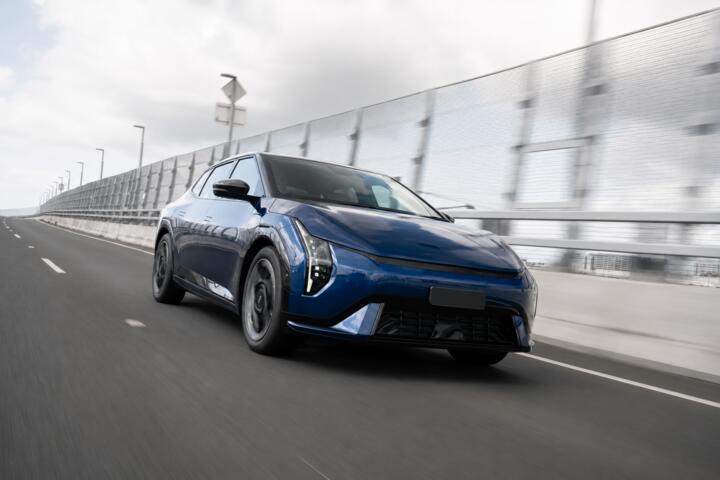
The Electric Car Shift
Electric vehicles (EVs) move beyond fossil fuel and create a different driving experience. Around 10% of new cars sold worldwide in 2023 were electric, reflecting fast adoption speeds. Unlike gasoline cars, they rely on lithium-ion batteries that store energy differently. That changes how you think of refueling, maintenance, and even driving habits. Some electric cars, like the Tesla Model 3, offer ranges over 350 miles, while budget options like the Nissan Leaf hover near 150 miles on a charge.
Charging stations aren't as ubiquitous as gas pumps yet, but networks like Electrify America or ChargePoint have grown to thousands in major US cities since 2021. Cars also regeases, for example, assuming you can fast-charge everywhere. Half of public chargers remain limited to 50 kW or less, not the 150 kW or more top models support. That means slow charging delays the plans of plenty of new EV owners with poor preparedness.
Another common misunderstanding is about total cost of ownership. The sticker price seems high: EVs often cost $10,000–$15,000 more than comparable gasoline cars from brands like Chevrolet or Hyundai. But depreciation, insurance, and especially fuel and maintenance costs tell a different story over 5 years.
Failing to plan daily range needs also leaves users stranded or stressed. Drivers with long commutes need larger battery pack models or reliable charging access. Otherwise, the car quickly loses appeal.
Practical Steps for Owners
Assess Driving Patterns
Track daily mileage for a week or two. If your typical trip exceeds 200 miles, prioritize cars boasting battery capacity around 75 kWh or more. The Ford Mustang Mach-E or Volkswagen ID.4 provide solid range and user experience for moderate long-distance driving. Shorter daily drives, under 50 miles, can rely on smaller packs, which cost less and weight less.
Plan Charging Strategy
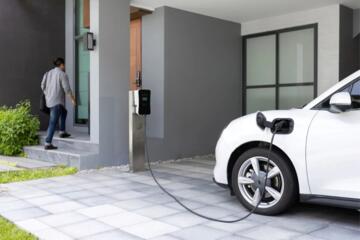
Home charging is key for convenience. Installing a Level 2 charger (240V outlet) in your garage or driveway cuts overnight charge time to 6-8 hours for a 60 kWh battery. Without home charging, frequent public charger use becomes inevitable. App tools like PlugShare or EVgo map chargers nearby with user reviews, updating this data regularly. For apartments, some units now offer shared chargers, but a private setup beats schedules and queues.
Understand Battery Degradation
Batteries slowly lose capacity each year, roughly 2-3% annually after 5 years, depending on usage and climate. Tesla Model S vehicles from 2015 usually retain about 85% of their original range today, which most drivers find acceptable. Avoid deep discharges (below 20%) to extend longevity. Manufacturers provide warranties for about 8 years or 100,000 miles on battery health.
Use Incentives Wisely
Federal tax credits of up to $7,500 still apply to many models, with state or local boosts applied on top. New programs from 2023 altered eligibility rules based on sourcing parts and costs. Research the current IRS database or your state’s DMV page. Sometimes the paperwork and timing catch buyers off-guard—consult dealerships carefully.
Compare Maintenance Needs
EVs eliminate oil changes, exhaust system fixes, and routine spark plug replacements, trimming annual maintenance costs by $400 or more. Brake pads last longer thanks to regenerative braking, reducing wear drastically. However, tires still wear out and suspension parts wear normally. Watch for software updates that can occasionally reset systems or affect how accessories function.
Choose the Right Model
Models vary widely in performance and comfort. The Hyundai Kona Electric offers a 258-mile range at a lower price point, while the Audi e-tron focuses on luxury and fast charging but sacrifices range. Test drives should include checking infotainment delays, acceleration feel, and driver assist features’ accuracy (which, frankly, most people skip).
Factor Charging Cost
Charging electricity costs fluctuate but average 13 cents per kWh in the US. Filling a 60 kWh battery costs about $7.80 if fully charged at home, compared to $40 for equivalent gasoline. Public fast chargers can cost double or more per kWh, depending on location and network fees. Routinely using them adds up, shifting budgeting priorities.
Monitor Software and Firmware Updates
EVs are more software-driven than traditional cars. Tesla tends to push monthly updates improving range, autopilot, and infotainment features. Other brands like Ford or VW lag behind in update frequency. Some issues only appear after months of use, including battery calibration changes or unexpected alerts, which users mention in forums but don’t reach official recall status.
Evaluate Insurance Rates
Electric cars typically cost 10-15% more to insure, due to higher repair costs and specialized parts. Smaller brands with unproven service networks occasionally inflate premiums. Quotes from providers like Geico or Progressive should compare EV-specific policies, including roadside assistance and software support.
Real-Life Experiences
A delivery company in Chicago switched to Nissan Leafs in 2022. Initially, they underestimated the vehicle's 150-mile range and struggled on colder days with reduced range of about 10%. They moved to install multiple Level 2 charging stations at their depot, increasing daily coverage and cutting refueling time by 60%. Fleet costs dropped by 18% after one year.
A family of four bought a Tesla Model Y in late 2023. They live in a suburban area with no home charger yet, relying on nearby public stations. Early frustrations with long queues and slower 50 kW chargers pushed them to invest in a home charger by spring. After four months, their charging time dropped from 3 hours to an hour nightly, and monthly transport costs decreased by a third.
Feature Comparison Table
| Model | Range (miles) | Charge Time (L2) | Price (USD) |
|---|---|---|---|
| Tesla Model 3 | 353 | 8 hrs | $42,990 |
| Nissan Leaf | 149 | 7 hrs | $28,040 |
| Ford Mustang Mach-E | 305 | 10 hrs | $43,895 |
| Hyundai Kona Electric | 258 | 9 hrs | $34,000 |
Common Mistakes & Fixes
Relying only on public charging postpones buying a home charger. It delays your freedom and adds cost. Install a Level 2 charger at home or work.
Ignoring cold weather effects shrinks battery range drastically; they lose up to 30% capacity below 20°F. Planning longer drives in winter demands larger batteries or extra charging stops.
Assuming all EV brands handle software updates equally: they don’t. Tesla leads; VW and Nissan lag, which affects feature rollouts and sometimes creates bugs. Research brand update frequency carefully.
Failing to align the model with daily routine wastes money on oversized or undersized capacity. Use apps like A Better Route Planner to evaluate your exact needs before shopping.
Skipping insurance quotes specific to EVs misses potential savings. Some policies bundle EV perks or green incentives, which standard plans lack.
FAQ
How long does an EV battery last?
Most EV batteries last 8 to 10 years with proper care, retaining around 70-85% capacity in that time frame, depending on usage and environment.
Can I charge an electric car using a regular home outlet?
You can, but it’s very slow. A standard 120V outlet takes 24+ hours to fully charge a mid-size EV battery; Level 2 chargers cut that to 6-12 hours.
Are electric cars really cheaper to maintain?
Yes, EVs avoid many engine-related services like oil changes and reduce brake wear, saving $400 or more annually on average, but tires and suspension still need usual care.
What affects electric car range the most?
Weather, speed, and use of climate controls (heat or AC) impact range heavily; cold conditions reduce range by up to 30%. Also, aggressive driving shortens travel distance.
Do all electric cars qualify for tax credits?
No. Eligibility depends on the vehicle’s make, model, assembly location, and battery sourcing. Many newer models lost federal credits in 2023 due to changed rules.
Author's Insight
I’ve driven EVs across urban, suburban, and rural routes since 2019. The biggest difference isn’t the engine but the charging mindset. Early tech frustrations like inconsistent charger speeds and software hiccups taught me patience. Planning routes with tools like PlugShare became routine. I avoid models without frequent OTA updates. A home charger transformed ownership for me, cutting logistics stress and unlocking spontaneous trips. It’s not just a new car, it’s a new routine.
Summary
Starting with an electric car means adjusting routines—charging, range expectations, and maintenance differ from gasoline vehicles. Track your driving needs, install convenient charging, and pick models that suit your budget and lifestyle. Companies and families alike benefit from upfront planning around battery range and charging options. Don’t overlook software, insurance, or incentive details; each shapes cost and experience. Move forward informed, and your EV will feel like freedom on wheels.