Decoding EV Range Numbers
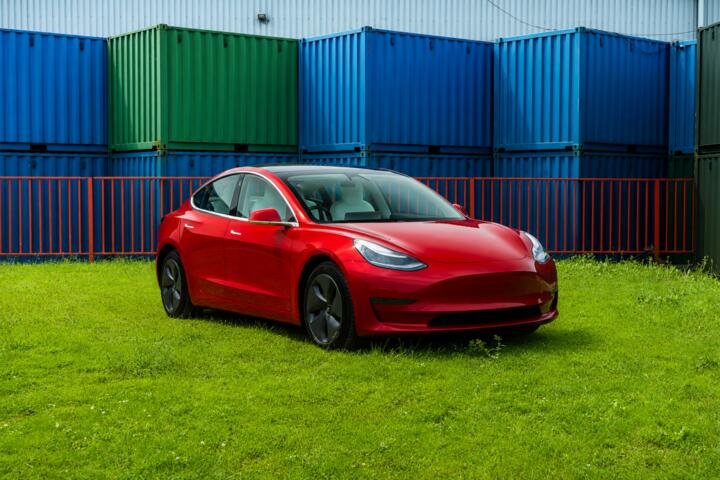
EV range numbers indicate how far a vehicle can travel on a full charge under specified test conditions. The US EPA rating, one of the strictest methods, usually offers a more realistic estimate compared to the older NEDC or WLTP standards used in Europe and China. For example, a 2023 Tesla Model 3 Long Range lists about 358 miles EPA range, but actual trips often measure 250 to 320 miles depending on conditions.
Manufacturers highlight range to appeal to buyers worried about “range anxiety.” Rapid improvements in battery tech and drivetrain efficiency have pushed ranges over 300 miles a charge for many models. Yet, this numeric claim often confuses consumers who expect those distances in daily scenarios without adjustments. The environment and your driving style can make quite a difference.
Numbers reflect controlled testing, not mundane traffic.
Why Range Numbers Mislead
Consumers fixate on the maximum range without considering how less-than-ideal factors reduce that number quickly. Cold weather, terrain, climate control use, speed, and payload all degrade battery efficiency. An EPA rating might look precise, but a highway trip at 75 mph during winter can cut your range by 30% or more.
This leads to real-world frustrations and occasional miscalculations that cause EV owners to run low unexpectedly. Two realities collide here: test labs run steady speeds on flat tracks; roads feature hills, stoplights, and variable loads. Some drivers don’t adjust expectations or monitor their consumption metrics closely.
That gap affects confidence. EV buyers often misunderstand the margin between ideal range and operational range.
How to Use EV Range Wisely
Track Real Consumption
Monitor your vehicle’s average consumption in kWh per mile using in-car displays or apps like TeslaFi or Leaf Spy. Over time, this provides a practical baseline for your driving habits and conditions. For example, a Nissan Leaf might rate at 6.0 miles/kWh on test, but in urban stop-and-go, it falls closer to 4.0.
Factor Temperature Effects
Batteries lose charge efficiency below 40°F and above 85°F. Using heated seats and steering wheels helps save range compared to heating the entire cabin, which can consume 20% extra energy. Preconditioning while plugged in, popular on Hyundai Ioniq 5 and Kia EV6, warms or cools the battery and cabin to optimize start conditions.
Account for Terrain and Speed
Gradients consume significantly more battery power—around 10-15% more uphill at steady speeds. Driving at 55 mph instead of 75 mph can boost range by roughly 20%. These differences compound, frustrating those who overlook location-specific effects versus flat-road test cycles.
Choose Efficient Driving Patterns
Gentle acceleration and regenerative braking improve recovery of energy otherwise lost in braking. Tesla and Ford Mustang Mach-E include driving modes that enhance regeneration and limit power spikes, improving usable range by 5-10% on average commutes. Not many drivers remember to toggle these regularly.
Use Range Extending Features
Some EVs offer eco modes or range mode options that optimize HVAC and powertrain for economy; these changes might cut top speeds or reduce cabin comfort but stretch range up to 15%. GM’s 2024 Bolt EV adding adjustable regenerative braking showcases incremental gains from software alone.
Plan Charging with Real Data
Apps like PlugShare and ChargePoint offer detailed location info for fast chargers, helping avoid range panic. Experience shows planning mid-trip stops roughly every 150-200 miles is more reliable than relying on maximum stated range. Rapid chargers replenish 80% capacity in 30 minutes but knowing location details avoids wait times.
Understand Battery Degradation
Battery capacity slowly drops annually—about 2-3% per year on average but varies by model and use. Tesla Model S owners report 5-10% capacity loss after 100,000 miles (TeslaFi, 2023 user forums). Reduced capacity means max range falls, so planning must adapt as the battery ages.
Use Tools for Range Estimation
Many modern EVs offer range prediction systems that use real-time data, terrain, and weather to estimate distance remaining more accurately than static labels. The Hyundai Kona EV’s software version 2.5 update in 2023 improved range forecasting noticeably, although predictions sometimes miss sudden traffic slowdowns.
Don’t Ignore Energy Footprint
Extra weight reduces range—avoid carrying unnecessary cargo. Roof racks increase drag significantly. Even adding one 50-pound bag can reduce range by 4-6%. Small changes can register on trips over 100 miles.
Real EV Range Stories
A regional delivery company switched to Ford E-Transit vans in 2022, expecting an advertised 126-mile range. Drivers reported average 90 miles on routes with hills and moderate load. By installing telematics and training staff in eco-driving, they improved range to 110 miles average within 3 months, reducing charger downtime 25%.
A Tesla Model Y owner in upstate New York used EPA range claims to plan winter trips early 2023. Expecting 330 miles, the cold weather and highway terrain dropped daily range under 240 miles. After adapting preconditioning strategies and slowing speeds, the owner reliably hit 275 miles per charge.
Range Metrics at a Glance
| Factor | Impact on Range | Example | Notes |
|---|---|---|---|
| Temperature | -20% to -30% | Cold winter, 25°F | Heated seats conserve power |
| Driving Speed | 20%+ decrease at 75 mph | Vs. 55 mph highway cruise | Aerodynamics |
| Terrain | 10-15% drain uphill | Hilly commute | Regeneration hill down saves |
| Load | 3-6% per 50 lbs | Heavy cargo, roof rack | Extra drag counts |
| Battery Aging | 2-3% capacity loss/year | 100,000 miles driven | Degradation varies |
Common Errors to Avoid
Ignoring environmental impacts leads to overestimating trip capabilities. Many drivers just trust sticker range, ignore in-car consumption data, and get caught off-guard. Relying solely on maximum range instead of adjusting for terrain or temperature risks stranding.
Trusting only generic apps can also mislead if they don’t integrate live data or vehicle-specific factors. Overloading the car and forgetting about HVAC impact are common unforced errors. Charging habits matter too—waiting too long to recharge might cause range anxiety, and that rarely helps.
Always carrying a buffer above your estimated trip need drastically improves peace of mind.
FAQ
What affects real EV range most?
Temperature extremes, high speeds, terrain, and cabin heating or cooling use impact range more than any other factor.
How accurate are EPA range numbers?
They offer closer real-world estimates but assume moderate speeds and mild conditions. Actual range can differ by +/- 15-30% depending on circumstances.
Can software updates improve range?
Yes. Tesla and others have released firmware updates that optimize energy use, resulting in 3-7% range gains post-launch.
How often does battery capacity decline?
Generally 2-3% annually under normal use; aggressive charging and heat accelerate decline.
Are regenerative brakes effective for range?
They recover a portion of kinetic energy otherwise lost, improving range by about 5-10% on urban or hilly routes.
Author's Insight
I’ve logged thousands of miles in EVs across climates and brands—Tesla, Nissan, Polestar—and the disparity between claimed and real range surprised me early on. Learning to track consumption and interpret vehicle feedback turned driving into a more predictable experience. No magic number applies to every trip; you adapt, adjust charging routines, and sometimes slow down even if traffic doesn’t. These nuances, small gestures mostly, add up to reliable range management.
Summary
EV range numbers give a ballpark, not a guarantee. Gauge your usable range by monitoring your consumption and adjusting for weather, speed, and load. Use tools and manufacturer features to optimize energy use, and plan charging stops proactively. The more you treat stated range as a flexible guide, the fewer surprises you encounter on the road.