Cold Range: What Changes
Battery chemistry and energy use shift when temperatures fall. In many EVs, the battery pack delivers less usable power in cold weather, so acceleration and heater demand rise together. Range estimates often assume around 20–25°C (68–77°F) and moderate speeds, which rarely matches winter commutes.
Cold weather can cut EV range by 20–40% depending on conditions. That range loss is not one single cause; it’s a stack of effects: battery efficiency, cabin heating, and tire rolling resistance. The vehicle type matters because battery-electric cars rely on electric heat and electric traction, while hybrids and gas cars keep running with a fuel-based heat source.
Skip the guesswork. Use the car’s energy screen.
For example, a 300-mile-rated EV may show 210–240 miles in winter, even before you factor in traffic. Tire pressure also matters; underinflated tires increase rolling resistance and can add noticeable energy drain. If you drive a Model 3 Long Range or a Hyundai Ioniq 5 in a 10°F (-12°C) morning, the heater and battery warm-up can dominate the first 10–20 miles.
Range is a moving target. It depends on temperature and speed.
What People Get Wrong
Many buyers treat the EPA range number like a fixed distance. Winter conditions change the usable energy in the pack, and the car spends more electricity to keep the cabin and battery within operating limits. The result is a bigger gap between “rated” and “arrived.”
People also overestimate how much preheating helps. Preconditioning can reduce battery warm-up time, but it depends on whether the car is plugged in and whether the battery is already near a usable temperature. If you preheat while unplugged, the energy comes from the battery, which can reduce the trip range you’re trying to protect.
Consequences show up fast. You arrive with 10%.
On a 40-mile commute, a winter range drop can turn a comfortable buffer into a low-state-of-charge situation. That matters because charging behavior changes near low battery levels; many EVs slow charge rates as the pack approaches full, and some drivers end up adding extra stops. Fleet managers see this as schedule risk, not just inconvenience.
Fuel-cost comparisons also get distorted. Electricity rates and charging access vary by region, and winter charging may require more kWh per mile. If your electricity is cheap but your chargers are scarce, the “cheaper per mile” math can break when you wait or detour.
How to Protect Winter Range
Precondition while plugged
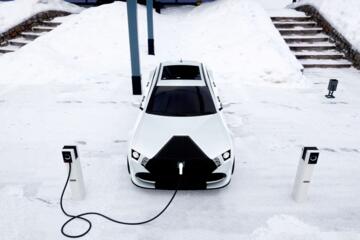
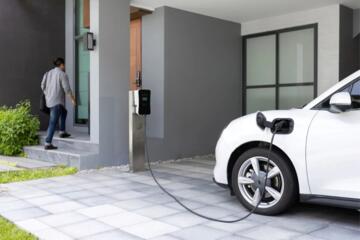
Precondition the cabin and battery before departure while the EV is connected to a charger. This shifts energy use from the battery to the grid, which helps protect usable range. In practice, you’ll see the battery warm-up and cabin heat start before you drive, then the car spends less energy stabilizing temperatures after you roll out.
Use the scheduled departure feature. It works best when plugged in.
Many owners set a departure time the night before; the car wakes up and conditions the pack. If your EV supports battery preconditioning, it can reduce the initial power limitation that otherwise forces the car to draw more energy for the same acceleration. A small aside: on some systems, the “preconditioning” icon appears only when the car detects a plugged connection, which is easy to miss.
Outcome target: save the first 10–20 miles.
Drive slower at first
Cold weather range loss is worse at higher speeds because aerodynamic drag rises with speed. Start with a gentler pace for the first few miles while the battery and cabin stabilize. Then increase speed once the pack warms and the heater reaches steady operation.
Skip aggressive launches. They waste energy.
On a winter highway run, holding 60 mph instead of 70 mph can reduce energy use enough to matter, especially when the heater is already running. The exact effect depends on vehicle shape and tire choice, but the physics is consistent: drag grows quickly with speed. If you have a choice, keep speeds steady rather than accelerating hard to “make up time.”
Outcome target: fewer kWh spikes.
Use seat heat over cabin
Seat heaters and steering-wheel heat can warm you with less energy than heating the entire cabin air. Many EVs let you set temperature and fan level; lowering cabin heat while using localized warmth reduces total HVAC draw. This is one of the simplest changes because it doesn’t require new routes or charging plans.
Seat heat beats blasting air. Most people notice fast.
In practice, set the cabin to a modest temperature and rely on heated seats for comfort. If you have a Model Y or Nissan Ariya, you can often keep the cabin at a lower setpoint without fogging if you manage defrost timing. A mild frustration: some cars still run the defroster aggressively when windows are cold, so you may see energy use jump during the first minutes.
Outcome target: lower HVAC kWh per mile.
Manage tire pressure and tires
Check tire pressure when tires are cold, not after driving. Winter air temperatures drop pressure, and low pressure increases rolling resistance, which raises energy consumption. If you use winter tires, the tradeoff can be better traction but different rolling resistance than all-seasons.
Inflate to the door-jamb spec. Not the summer number.
For example, if your door label calls for 42 psi front and rear for a given load, follow that spec. A 3–5 psi drop can add measurable energy drain over a long commute. If you switch to a winter tire set, compare your car’s estimated range after the swap; the change is often noticeable within a week.
Outcome target: steadier efficiency across trips.
Plan charging around temperature
Charging in winter is not just about finding a plug; it’s about battery temperature. Many EVs charge more slowly when the pack is cold, and some require a warm-up phase before fast charging. If you arrive at a DC fast charger with a very cold battery, the first part of the session may be slower than expected.
Arrive warm when you can. It speeds up charging.
In practice, if your route allows it, drive a short segment before fast charging so the pack warms. Some chargers and vehicles coordinate preheating, but behavior varies by model and software version; I’ve seen this change between firmware releases like v3.2 and v3.3 on certain platforms. If your EV supports “charge while preconditioning,” use it when available.
Outcome target: fewer minutes lost per stop.
Use regen settings wisely
Regenerative braking can be limited when the battery is very cold. When regen is reduced, the car relies more on friction brakes, which wastes energy that would otherwise be recovered. Some EVs show a regen limit indicator, and you can adapt by increasing following distance and easing off earlier.
Expect weaker regen at first. Then it returns.
In practice, set a regen level that matches your comfort, but don’t assume full one-pedal braking immediately after cold soak. If you drive a Kia EV6 or Volkswagen ID.4, you may notice regen strength ramp up after a few miles. This is also why “range estimates based on summer driving” can mislead you.
Outcome target: smoother deceleration, less waste.
Reduce electrical loads you can control
Electrical loads include HVAC, battery heating, seat heaters, lights, and defrost. You can’t turn off safety-critical systems, but you can reduce avoidable loads like high fan speeds and unnecessary cabin cooling. On cold mornings, defrost use is common; use it briefly, then switch to a lower setting once visibility clears.
Turn down the fan. Keep defrost short.
Also watch for accessory habits that add up: leaving the car in “ready” mode with HVAC running while parked can drain the pack. If you’re waiting at a school pickup, use seat heat and a lower cabin setpoint rather than full cabin heating. Ownership note: repeated deep discharges can increase battery wear over time, though the exact long-term effect depends on chemistry and charging patterns.
Outcome target: fewer kWh consumed while stopped.
Know your model’s winter behavior
Different EVs manage thermal systems differently. Some prioritize battery protection and cabin comfort, which changes how quickly you regain full power and regen. Checking the owner’s manual for “battery preconditioning” and “scheduled departure” wording helps, because the feature name varies across manufacturers.
Read the manual section twice. It’s not marketing.
For example, a Tesla Model 3 and a Hyundai Ioniq 5 both support preconditioning, but the triggers and menus differ. A BMW i4 may show different energy flow behavior on the energy app than a Ford Mustang Mach-E, and the heater strategy can vary by trim. Treat the car’s own energy graph as your winter baseline, not the brochure range.
Outcome target: better estimates for your exact route.
Mini Case Examples
A regional delivery company ran 12 EVs on a 60-mile round trip in winter. The fleet saw range estimates miss by roughly 25% and added an extra charging stop for several vehicles each week. The company switched to scheduled departure while plugged, adjusted tire pressure checks to weekly, and trained drivers to avoid high-speed bursts for the first 15 minutes. After the change, average charging sessions dropped by about 8–12 minutes per vehicle per week, and the number of “low battery” arrivals fell from frequent to rare.
Another case involved a commuter who drove a 2022 Nissan Leaf in a cold climate. The driver relied on unplugged preheating and arrived at work with 15–20% remaining. After switching to plug-in preconditioning and using seat heat with a lower cabin setpoint, the driver reported arriving with about 25–30% more often, though the exact percentage varied by snowfall and wind. The key change was reducing battery drain before departure, not chasing a different route.
Winter Range Checklist
| Situation | What to check | What to do | Expected effect |
|---|---|---|---|
| First 10 miles | Battery warm-up and HVAC draw | Precondition while plugged, then drive gently | Less early kWh loss |
| Cold tires | Pressure vs door-jamb spec | Inflate to spec when tires are cold | Lower rolling resistance |
| High-speed highway | Speed and wind | Hold steady speed, avoid bursts | Lower drag-related drain |
| DC fast charging | Pack temperature on arrival | Arrive after a short drive or use preheat | Faster initial charge |
Common Mistakes and Fixes
Mistake: relying on the summer range estimate. It happens because the car’s forecast uses current conditions, and winter heater and battery limits change the energy budget. Impact: you plan a route that works on paper but forces detours. Avoid it by using the car’s live “estimated remaining” after the first 5–10 miles, then plan charging from that number.
Skip the “I’ll charge later” plan. It rarely works in snow.
Mistake: preheating while unplugged. It happens when drivers want comfort immediately and ignore that cabin heat draws from the battery. Impact: you lose range before you even start. Avoid it by scheduling departure while plugged in, or by using seat heat and a lower cabin setpoint if you must preheat unplugged.
How to avoid it: check the regen limit indicator. Cold packs reduce regen, and the car may feel like it coasts more than usual. Impact: more friction braking and lower efficiency. Avoid it by increasing following distance and easing off earlier until the battery warms.
Another mistake: ignoring tire pressure. It happens because pressure drops with cold air and drivers check after driving. Impact: higher rolling resistance and faster range loss. Avoid it by checking with a gauge when tires are cold, then matching the door-jamb spec.
Final mistake: arriving at DC fast chargers with a fully cold pack. It happens because the route timing looks fine on a warm day. Impact: slower charge rates and longer stops. Avoid it by adding a short buffer drive before fast charging or using any vehicle preconditioning option tied to charging.
FAQ
How much range loss happens in winter?
Range loss varies by temperature, speed, wind, and how much heat you use. Many EV owners and testing summaries report roughly 20–40% reductions in cold conditions, with bigger drops at highway speeds and during heavy defrost use. The first 10–20 miles often show the steepest decline because the battery warms and the cabin reaches set temperature. Use your car’s live energy estimate after a short drive, then compare it to the displayed “rated” range to build a winter baseline for your specific route.
Does preheating help if the EV is unplugged?
Preheating while unplugged usually reduces range because the car draws energy from the traction battery to run the heater and warm the pack. Some systems still improve drivability by reducing power limits, but the tradeoff is fewer miles available at departure. If you can plug in, scheduled departure and preconditioning shift that energy draw to the grid. If you cannot plug in, use seat heat, lower cabin setpoints, and short defrost bursts to reduce HVAC load.
Why does regen feel weaker in cold weather?
Regenerative braking depends on how much charge the battery can accept safely. In cold weather, the battery’s ability to take charge is limited, so the car reduces regen and relies more on friction brakes. You may see a regen limit message or notice more coasting than usual. The effect often improves after the battery warms during driving. Adjust driving style by easing off earlier and keeping more following distance until regen returns.
Do winter tires reduce EV range?
Winter tires can change rolling resistance compared with all-seasons, and the net range effect depends on tire model and pressure. Traction benefits are real in snow and ice, but energy use may rise if the winter tire compound and tread design increase resistance. The practical approach is to check your car’s estimated range after the first few days and compare it to your all-season baseline. Keep tire pressure at the door-jamb spec, since underinflation can erase any efficiency gains.
Is charging slower in cold weather?
Charging can be slower when the battery is cold because fast charging requires the pack to be within a safe temperature window. Some EVs warm the battery automatically, but the process may still add time before peak charging power appears. If you arrive at a DC fast charger after a long cold soak, the first part of the session may be limited. Plan routes with a buffer, arrive after a short drive when possible, and use any vehicle setting that preconditions the battery for charging.
Author's Insight
Cold weather range loss comes from measurable energy drains: battery efficiency drops, HVAC demand rises, and tires often roll with higher resistance. The biggest practical lever is reducing battery energy used before you start moving by preconditioning while plugged in. After that, driving speed and tire pressure usually dominate day-to-day outcomes more than small software tweaks.
When you compare EVs, look at how each model’s thermal management behaves in winter, not just the rated miles. Owners’ manuals and the car’s energy flow screen reveal whether battery preconditioning exists and how it’s triggered. If your commute is short, the first 10 miles matter more than the last 10 miles, which changes how you should plan charging.
Final Thoughts
Cold weather cuts EV range because the battery and cabin require more energy, and the car may limit regen and power until the pack warms. Start with preconditioning while plugged in, check tire pressure to the door-jamb spec, and use seat heat to reduce HVAC load. For road trips, plan charging stops with extra time for cold-soaked batteries and consider arriving after a short drive.
Next step: run a winter baseline test. Track your “estimated remaining” after 10 miles and compare it to your actual arrival state of charge.
If you see unusual behavior like rapid range loss, repeated charging errors, or abnormal heater operation, schedule a diagnostic with a qualified EV technician. Warranty coverage varies by manufacturer and battery terms, so document temperatures, charging sessions, and any warning messages before service.