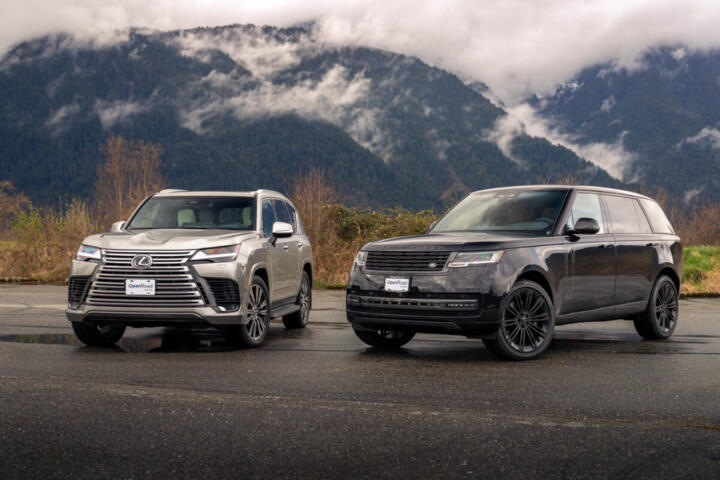
Ownership cost starts with math
Ownership cost is the sum of predictable spending and the surprises you can’t fully price. For two SUVs, the biggest swings usually come from fuel use, tire wear, insurance, and depreciation. In the U.S., fuel and maintenance are often the largest non-depreciation items over a typical ownership period, while depreciation dominates the total for many new vehicles. A 30,000-mile year can turn “small” differences in mpg into hundreds of dollars.
Start with two numbers: your annual miles and your expected ownership length. Then add a third: the fuel economy gap between the two SUVs. If one SUV averages 22 mpg and the other 26 mpg, the 4 mpg difference is about 5% less fuel cost for the better one at the same gas price. That gap repeats every year, even when repairs don’t.
Depreciation also matters more than many buyers realize. New vehicles commonly lose the largest share of value in the first 3 years, and SUVs often track that pattern closely. Insurance can swing too; a higher trim, wider wheels, or a more expensive engine can raise premiums even when the vehicle is similar in size. If you’re comparing two SUVs with different drivetrain layouts, the cost story changes again.
Common mistakes that raise bills
People often compare only the sticker price and the advertised mpg. That misses the cost of tires, brake jobs, transmission service intervals, and the time value of repairs. It also ignores how each SUV is used: short trips heat engines differently, and stop-and-go traffic changes fuel economy more than highway tests do.
Another mistake is using “combined mpg” as if it matches your commute. EPA combined numbers blend city and highway cycles, but your route may be 70% stoplights. If one SUV is rated 24 mpg combined and your real-world average lands near 18 mpg, the fuel-cost math changes fast. Tires are another trap; heavier SUVs and aggressive all-season tread patterns can wear faster, especially in winter.
Reliability surprises can be expensive even when they’re rare. A single failed component—like an expensive sensor cluster or a cooling-system part—can wipe out the savings from a cheaper purchase. Skip the timer apps. They add one more thing to manage.
Finally, buyers sometimes ignore resale value differences between trims and drivetrains. Two SUVs with the same body style can depreciate differently if one has a more in-demand configuration. That difference shows up at trade-in time, not on the first payment.
Specific steps to compare two SUVs
1) Build a 5-year cost sheet
List costs by category for 5 years: fuel, maintenance, tires, insurance, registration fees, repairs, and depreciation. Use your annual mileage and a realistic fuel price. For example, 12,000 miles per year for 5 years is 60,000 miles total. If gas is $3.50/gal, a 4 mpg gap can mean roughly $1,000 in fuel over that span, before taxes and charging differences.
Use the same assumptions for both SUVs. If one has a 3.5-liter V6 and the other has a 2.0-liter turbo, don’t let engine size distract you from the mpg and service schedule. A 2.0-liter turbo can still cost more if it needs premium fuel or if its maintenance items are pricier.
2) Track fuel economy like a mechanic
Use the EPA window sticker for baseline mpg, then adjust using your driving mix. If your commute is mostly city, weight city mpg more heavily. If you tow, add a towing penalty; fuel economy drops sharply under load, and the penalty depends on gearing and transmission calibration.
For gasoline SUVs, check whether either requires premium fuel. A turbocharged 2.0-liter engine may be rated on regular or premium depending on tune; the owner’s manual is the only safe source. If premium is required, the fuel-cost comparison can flip even when the mpg looks similar.
3) Price tires and brake wear
Ask for tire size and wheel diameter. A move from 17-inch to 20-inch wheels often changes tire price and availability. Wider tires can improve grip but can wear faster, especially with higher curb weight and frequent hard acceleration.
Look at typical tire replacement intervals for your driving style. Many owners replace tires around 30,000–50,000 miles, but that range varies with alignment, tread compound, and rotation discipline. If one SUV uses 255/55R20 tires and the other uses 225/65R17, the cost per tire can differ enough to matter in a 5-year plan.
4) Use service schedules, not marketing
Open the maintenance schedule for each SUV and list items that repeat: oil changes, cabin filters, brake fluid checks, and transmission service. A 3.5-liter V6 may have different oil capacity and filter cost than a 2.0-liter turbo, even when the interval is similar.
Also check warranty coverage and what it excludes. Powertrain warranties often cover major components, but wear items like tires and brake pads are usually outside. If one SUV has a longer basic warranty, that can reduce repair risk for the first years, which matters when you’re comparing two new models.
5) Estimate insurance with trim-level reality
Insurance pricing depends on more than the vehicle class. Trim level, engine output, theft rates, and repair costs drive premiums. Get quotes for the exact trims you’re comparing, including driver age and ZIP code. A 5–15% premium difference can erase fuel savings in a year.
Check whether either SUV has expensive-to-replace components like panoramic roofs or larger wheel/tire packages. Repair shops often charge more for parts and labor when the vehicle has more sensors, cameras, or complex body panels.
6) Include depreciation and resale demand
Use a depreciation estimate from reputable valuation sources and compare like-for-like trims. If one SUV is a high-demand configuration—common colors, popular drivetrain, and widely available options—it often holds value better. If the cheaper SUV has a less common drivetrain, resale can drop more sharply.
Don’t ignore mileage at trade-in. Many buyers underestimate how quickly value falls with higher mileage. A 60,000-mile SUV can be priced very differently from a 30,000-mile one, even when both are 3 years old.
7) Add towing and payload costs if relevant
If you tow, compare towing capacity and the maximum payload rating. Towing capacity is not the same as payload, and the ratings depend on configuration. A V6 SUV might list 5,000 lb towing, while a smaller engine might list less; the difference affects trailer choice and fuel use.
Also check whether the SUV has a transmission cooler and how the cooling system is configured. Towing increases heat load, and heat accelerates wear on fluids and some driveline components. If you tow 3,000 miles per year, the cost model should reflect that, not just commuter driving.
8) For EVs, model charging limits and range
If either SUV is electric, compare battery range estimates and charging capability. Look for the maximum DC fast-charging rate and the usable range at typical temperatures. Battery range estimates vary with speed and weather, and the gap between rated range and real range can be large.
Charging limitations matter. If you can’t install Level 2 at home, the cost per mile can rise quickly depending on local electricity and fast-charging pricing. A 250-mile rated range SUV might deliver less in winter, and that changes how often you stop and what you pay per kWh.
Skip the timer apps. They add one more thing to manage.
Mini case studies with numbers
Case 1: A small logistics company compared two midsize SUVs for a 12,000-mile annual route with light towing. They chose a 3.5-liter V6 SUV rated around 20 mpg combined and a 2.0-liter turbo SUV rated around 24 mpg combined. After 18 months, the V6 averaged about 19 mpg in mixed driving, while the turbo averaged about 22 mpg. Fuel cost favored the turbo by roughly $900 over that period, but tire costs were higher on the turbo due to larger wheels, adding about $450. Net savings stayed positive at about $450, before depreciation differences.
Case 2: A family compared two compact SUVs for 15,000 miles per year, mostly school drop-offs and weekend errands. One had a longer basic warranty and a slightly higher insurance premium. Over the first 2 years, neither saw major powertrain repairs, but the higher-trim SUV required earlier cabin filter replacement due to local dust exposure, costing about $80 in parts and labor. The bigger difference came at resale: the more common drivetrain configuration sold for about 3–4% more than the less common one at 2 years, based on local listings. That resale gap outweighed the small maintenance differences.
Checklist for a fair comparison
| Category | What to collect | Why it changes cost | How to compare |
|---|---|---|---|
| Fuel economy | EPA mpg, premium fuel requirement | Repeats every mile | Use your annual miles and fuel price |
| Tires | Tire size, wheel diameter | Wear depends on weight and tread | Price a full set, include alignment |
| Maintenance | Service schedule items and intervals | Labor and parts vary by engine | Match intervals to your mileage |
| Insurance | Quotes for exact trims | Repair cost and theft risk drive premiums | Compare deductibles and coverage limits |
| Depreciation | 3–5 year value estimates | Biggest cost for new SUVs | Use same trim and drivetrain |
| Warranty | Basic and powertrain terms | Reduces repair risk early | Check exclusions for wear items |
| Family fit | Rear legroom, child-seat anchors | Bad fit forces costly changes | Test with your seats in person |
Write down the numbers. Then compare them.
Common mistakes and fixes
Buying based on monthly payment alone happens because financing hides the total cost. The impact shows up when the term length stretches and depreciation hits harder. Avoid it by calculating total out-the-door cost over your planned ownership, not just the payment. Use the same down payment and trade-in assumptions for both SUVs.
Skipping tire and brake pricing happens when the test drive focuses on acceleration and noise. The impact is a surprise bill at 25,000–40,000 miles if the vehicle wears tires quickly. Avoid it by checking tire size, tread warranty, and whether the SUV uses staggered wheel sizes that complicate rotation. If rotation is harder, wear can become uneven.
Ignoring warranty terms happens when buyers scan only the headline duration. The impact is paying for repairs that fall outside coverage, like certain sensors or wear-related components. Avoid it by reading the exclusions and the required maintenance schedule. A dealer service record matters, and it rarely works the way the docs say if you miss an interval.
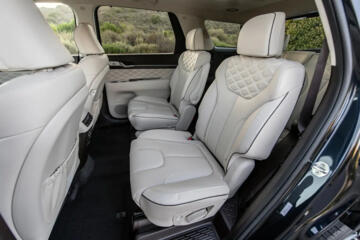
Overlooking child-seat compatibility happens because the brochure photos don’t show real seating geometry. The impact is a seat that doesn’t fit behind the driver or blocks access to the third row. Avoid it by bringing your child seats to the dealership and checking LATCH/ISOFIX anchor positions. Measure rear legroom with the seat installed, not with the seat empty.
For EV comparisons, assuming rated range matches daily driving happens because range estimates are idealized. The impact is more fast-charging stops and higher costs. Avoid it by checking charging curves and winter range behavior, then modeling your route. If you can’t charge at home, the cost math changes again.
FAQ
How do I estimate fuel cost?
Start with your annual miles and the SUV’s EPA mpg from the window sticker. Multiply miles by gallons per mile (1 divided by mpg), then multiply by your expected fuel price. Adjust for your driving mix: city-heavy routes often land below combined mpg, while steady highway routes can land closer. If one SUV requires premium fuel, use the premium price in the calculation. If you tow, model a lower mpg figure during towing months, because load and speed change consumption.
What ownership costs should I compare besides fuel?
Compare maintenance schedule items, tire replacement cost, insurance quotes, and depreciation. Maintenance schedules differ by engine size and drivetrain, even when the interval looks similar. Tires depend on wheel diameter and tire width; larger wheels often cost more per tire and can wear faster. Insurance varies by trim and repair cost, so get quotes for the exact configurations. Depreciation is usually the largest cost for new SUVs, so use value estimates for the same trim and mileage assumptions.
How do warranty terms affect total cost?
Warranty terms reduce repair risk early, but they don’t cover wear items like tires and brake pads. Check the basic warranty and powertrain warranty separately, including the mileage and time limits. Read exclusions for components that commonly fail, such as certain sensors or cooling-system parts. If one SUV has a longer warranty but higher insurance and tires, the savings may not offset the extra costs. Model the warranty as “lower expected repair cost,” not as a guarantee.
Do tires and brakes really change ownership cost?
They can, especially on heavier SUVs and trims with larger wheels. Tire cost is easy to price because you can compare tire sizes and typical retail prices. Wear rate depends on alignment, rotation habits, and driving style, so two SUVs with similar mpg can still diverge in tire spending. Brake wear also varies with driving patterns and regenerative braking on hybrids or EVs. If you drive in winter with frequent short trips, brake and tire wear can accelerate.
How should I compare two SUVs for towing?
Compare towing capacity and payload limits, but also check the cooling system and transmission behavior under load. Towing increases fuel use and heat, which affects fluid life and can raise repair risk. Look for features like a transmission cooler and trailer wiring harness availability. If the SUVs use different gear ratios, the same trailer can produce different fuel consumption and engine stress. Model towing months separately in your cost sheet, using a realistic mpg estimate for loaded driving.
Author's Insight
Ownership-cost comparisons work best when you treat each SUV like a set of repeating bills. Fuel economy differences compound over 60,000 miles, and tire pricing can swing the total even when mpg looks close. I’d rather see a buyer bring the exact child seats to check rear access than rely on brochure legroom numbers. For EVs, range and charging access matter more than the advertised max range, because charging cost and stop frequency drive the real expense. A spreadsheet beats a gut feeling, especially when depreciation and insurance are included.
Key takeaways
Build a 5-year cost sheet using your annual miles, realistic fuel or charging prices, and the SUVs’ actual maintenance schedules. Price tires and insurance for the exact trims, then add depreciation using like-for-like value estimates. If towing or family fit matters, include towing ratings and child-seat compatibility in the comparison, not just cargo volume.
Next steps: pull the window stickers, record tire sizes, request insurance quotes, and confirm warranty exclusions. Then test-drive with your routine route and, if relevant, install your child seats. If you’re unsure about repair risk or warranty coverage wording, ask a service department to explain common failure points for the specific powertrain and how they’re handled under warranty.
Limits exist. Ownership cost estimates can’t predict every repair, and resale value depends on local demand. If you see a large gap in expected costs, verify assumptions with the owner’s manual and warranty booklet before signing.