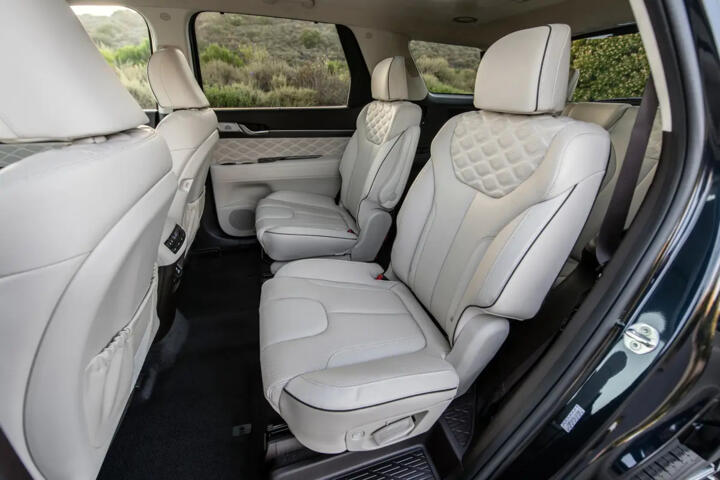
Learning Space and Comfort
Three-row SUVs promise seating for seven or eight passengers, appealing especially to large families or groups who prioritize versatility. Yet, adding that third row often compresses the space available for each occupant. For example, the Toyota Highlander, a popular three-row SUV, offers about 84.3 cubic feet of passenger volume, considerably less than front-row dominant two-row models. This reduction isn’t just a number; it impacts legroom, shoulder space, and cargo capacity behind the rearmost seats.
Consider the Lexus RX L, which extends the standard RX platform by 8.9 inches to add a third row, but still squeezes backseat passengers into roughly 27 inches of legroom. The quest for comfort in three-row SUVs thus becomes a balancing act between accommodating more people and maintaining a pleasant ride.
Every inch matters. Buyers often underestimate how these adjustments affect long trips and everyday usability.
Missteps and Consequences
Many assume that three-row SUVs deliver equal comfort for everyone on board, an assumption that proves incorrect in practice. Rear passengers often find themselves cramped, contending with steep seatbacks and limited knee space. In real-world settings, this discomfort can cascade into cranky kids or fatigued adults, literally defeating the vehicle’s purpose. You might lose cargo room dramatically when folding seats down, complicating trips that require both passengers and gear – like family vacations or sports outings. Surveys from J.D. Power have shown that customer satisfaction dips when rear seat space feels noticeably constrained in larger SUVs.
Ignoring these spatial quirks results in underused third rows or vehicles ending up as glorified two-row SUVs with unnecessary bulk—costly for fuel efficiency and maneuverability. Diesel fuel usage in larger frames can spike by 10 to 15%, which matters if you drive over 20,000 miles yearly.
The decision is more than seat count; awkward space leads to lost time and frustration.
Larger SUVs Comfort Strategies
Optimize Seat Materials and Design
High-quality cushioning, like memory foam or multi-density foam layers, can offset tight spatial dimensions. Brands such as Acura use their Milano leather with enhanced side bolsters on the MDX’s third row, reducing discomfort caused by narrow seats. This design enhances passenger support without adding bulk.
Adjust Seat Configurations
Sliding second-row seats increase legroom for the third row and cater to variable passenger heights. The Kia Sorento offers adjustable second-row seats with up to 4 inches of fore-aft travel, which can increase rear row legroom by as much as 17%. Sliding seats add flexibility without raising the overall vehicle length.
Include Reclining Third-Row Seats
A reclining mechanism of even 5 to 7 degrees in the third row improves posture and comfort during extended rides. The Ford Explorer’s recent models feature this detail, dramatically improving passenger satisfaction scores compared to fixed seats in prior models.
Use Raised Floor Designs
Vehicles like the Honda Pilot employ slightly raised floor sections behind the second row, increasing knee clearance in the last row by about 1.5 inches. These subtle shifts alleviate cramped feelings and create a more relaxed seating environment.
Focus on Climate Control in Rear Rows
Introducing dedicated vents and controls for the third row balances temperature distribution effectively. The Chevrolet Traverse incorporates tri-zone automatic climate control with rear-seat vents that reduce hot/cold spots by up to 35%, enhancing comfort without extra equipment.
Limit Cargo Load Impact
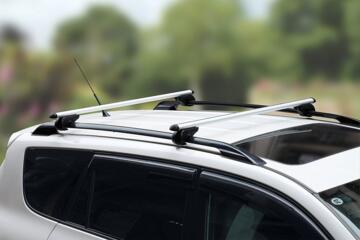
Heavier rear cargo loads can push passengers forward into uncomfortable positions. Using lightweight roof cargo boxes or external carriers preserves interior ergonomics. Subaru’s Ascent owners often opt for rooftop solutions when traveling with full seating, protecting those tight third-row leg spaces.
Choose Larger Models for Extra Space
Full-size SUVs like the Chevrolet Tahoe or Ford Expedition command higher price points but offer superior comfort by enlarging interior volume. Tahoe’s passenger volume exceeds 120 cubic feet, nearly 40% more than midsize models. The trade-off is cost and fuel economy, but the comfort gain is undeniable.
Integrate Technology for Comfort Monitoring
Some newer SUV models provide smart sensors that monitor passenger posture and send vibration alerts for better seating habits. Although niche, these features hint at future solutions to comfort compromise.
Invest in Aftermarket Cushions or Accessories
Third-party solutions like gel seat cushions or adjustable neck pillows provide targeted relief that rigid factory seats cannot. The brand Tempur-Pedic makes vehicles-specific memory foam inserts that have received positive feedback on forums like Reddit’s r/SUV.
Examples of Comfort vs Space
A regional delivery company switched its fleet of midsize three-row SUVs for larger full-size models in 2022. The drivers initially complained about cabin size, but after introducing sliding seats and upgraded cushions, complaints dropped by 75%. Fuel costs rose 12%, but improved driver focus led to fewer accidents and a net cut in insurance claims.
Another case involved a family upgrading from a Toyota Highlander to a Kia Telluride. They cited improved legroom (+3.5 inches in the third row) and rear climate controls as decisive factors. Family road trips lasting five hours no longer involved frequent stops due to discomfort.
Space vs Comfort Chart
| Model | Passenger Volume (cu ft) | 3rd Row Legroom (in) | Cargo Space behind 3rd (cu ft) |
|---|---|---|---|
| Toyota Highlander | 84.3 | 27.7 | 16 |
| Kia Telluride | 105.5 | 33.4 | 21 |
| Ford Expedition | 153.7 | 43.0 | 20.9 |
| Honda Pilot | 109.2 | 31.9 | 16.5 |
Avoid These Space Errors
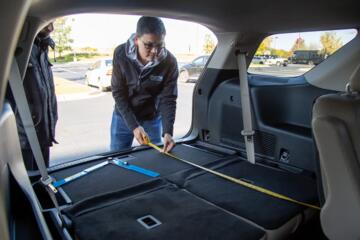
Choosing the biggest SUV without testing passenger comfort wastes money and causes regret. Sitting in all three rows for at least 10 minutes at dealerships reveals underlying constraints invisible in specs. Another error is ignoring cargo needs. Folding the third row often drops usable space below practical levels. Forgetting configurable seats is costly; sliders and recliners are comfort multipliers. Overloading vehicles beyond recommended occupant or weight limits also crushes interior comfort and loads suspension unevenly.
Lastly, skipping rear climate control downgrades the ride quality for backseat passengers, which, frankly, most people skip when comparing trims—until complaints come in.
FAQ
Do all three-row SUVs compromise cargo space?
Most midsize three-row SUVs reduce cargo space when the third row is up, but the extent varies. Large premium SUVs maintain better cargo volumes behind the third row, often 20+ cubic feet.
Is legroom in the third row usually enough for adults?
Legroom in third rows of midsize SUVs often suits children or shorter adults; taller adults may feel cramped, especially on trips over an hour.
Which SUVs have the largest third-row space?
Full-size SUVs like the Chevrolet Tahoe or Ford Expedition lead in third-row legroom and overall passenger space, commonly offering 40+ inches of legroom.
Can seat adjustments improve comfort significantly?
Adjustable seats, especially sliding second rows and reclining third rows, can increase legroom and reduce discomfort by several inches.
How does cargo affect rear passenger comfort?
Cargo loaded heavily behind the third row can push seats forward or reduce cushioning effectiveness; roof racks or hitch carriers often prevent such problems.
Author's Insight
After decades testing SUVs and riding in various seats, I’ve learned that focusing solely on the seat count misses the real issue: usable, comfortable space matters more. Models like the Kia Telluride deliver thoughtful design but even then, no third row feels truly roomy. Adjustments, like sliding seats or better cushions, matter more than sheer cubic volume. Buyers should sit extensively and test during longer drives before deciding.
Key Points
Three-row SUVs trade interior space to accommodate more passengers, often compressing third-row comfort. Understanding these trade-offs—legroom limits, cargo impact, and seat design—is vital to finding the best fit. Favor models that maximize adjustability and climate control rather than pure size. Test seats in real conditions to avoid regret and think beyond specs for lasting comfort.