Light vs Heavy Pickups
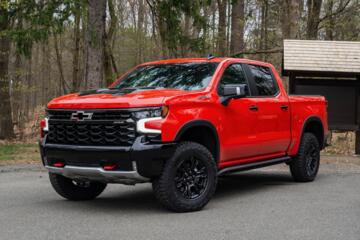
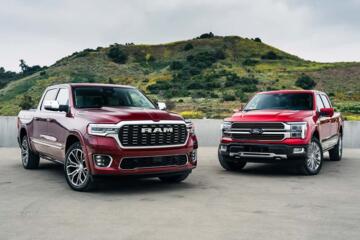
Light duty pickups, such as the Ford F-150 or Chevrolet Silverado 1500, typically weigh less than 6,000 pounds and feature engines ranging from 3.3L V6 to 5.0L V8. They cater to daily driving, moderate towing (up to 13,200 lbs), and light hauling. Heavy duty pickups, like the Ford F-250/F-350 and Ram 2500/3500, are designed for more demanding tasks, equipped with stronger frames, diesel engine options, and higher payloads (usually above 4,000 lbs) and towing capacities exceeding 20,000 lbs.
For example, the 2023 Ford F-150 has an EPA-rated fuel economy of 20-25 MPG combined, while the Ford F-350 diesel averages 12-15 MPG. According to the U.S. Department of Energy, fuel alone can account for up to 40% of a heavy duty pickup's operational costs annually. Thus, understanding these differences aids in selecting the best fit for your typical workload.
Main Problems
Underestimating Fuel Costs
Many buyers focus on upfront costs and towing capacity without considering high fuel consumption, especially with heavy duty models. Heavy duty pickups often consume almost double the fuel of light duty trucks, leading to increased daily operating costs.
Overmaintenance or Neglected Repairs
Heavy duty trucks require more frequent and expensive maintenance due to complex diesel engines and heavier components. Ignoring scheduled maintenance can result in costly breakdowns, affecting productivity.
Improper Use and Misalignment
Using a heavy duty pickup for light tasks results in unnecessary fuel consumption and higher depreciation. Conversely, relying on a light duty truck for heavy hauling risks mechanical failure and safety hazards.
Insurance and Depreciation Costs
Insurance premiums for heavy duty pickups can be 15-30% higher, and depreciation rates vary. Misjudging these expenses impacts total ownership cost and resale value negatively.
Solutions & Tips
Match Truck Class to Job Demands
Analyze your payload and towing needs based on typical loads. For instance, if your maximum trailer weight is less than 10,000 lbs, a light duty pickup like the Chevrolet Silverado 1500 will be more cost-effective.
Calculate Total Cost of Ownership (TCO)
Include fuel, maintenance, insurance, tax, and depreciation. For example, FleetCarma’s 2023 study showed the annual TCO for a Ford F-150 is approximately $9,500 versus $14,200 for an F-350. Such concrete numbers help budget realistically.
Choose Fuel Efficient Models
Opt for light duty pickups with EcoBoost engines or hybrid options to optimize fuel economy. The 2023 Ford F-150 PowerBoost hybrid offers roughly 25 MPG combined versus 15 MPG diesel in heavy duty counterparts.
Regular Preventive Maintenance
Follow manufacturer-recommended service intervals. Heavy duty pickup owners should invest in diesel particulate filter cleaning and oil-change packages to avoid large repair bills. Service contracts from companies like Pep Boys or Firestone provide bulk savings.
Insurance Shopping
Obtain quotes from specialty insurers such as Progressive Commercial and State Farm, which offer competitive rates tailored for heavy duty trucks, potentially saving 10-15% annually.
Real-World Cases
Case Study 1: Construction Firm Fleet Optimization
Company: Alpha Builders, Inc.
Problem: High operational costs on a fleet of mixed pickups.
Solution: Switched majority usage from F-350 heavy duty to light duty Chevrolet Silverado 1500 for non-towing tasks.
Result: Reduced fuel consumption by 30%, saving approximately $25,000 annually across 10 trucks. Maintenance costs dropped by 20% due to simpler gas engines.
Case Study 2: Agricultural Business Towing Needs
Company: Green Valley Farms
Problem: Frequent overload and breakdowns on light duty trucks when hauling heavy equipment.
Solution: Introduced Ram 3500 heavy duty pickups with Cummins diesel engines specifically for high-load transports.
Result: Towing issues and downtime decreased by 40%, improving operational efficiency and reducing emergency repair costs by $15,000 annually.
Pickup Comparison
| Factor | Light Duty (F-150) | Heavy Duty (F-350) |
|---|---|---|
| Towing & GVWR | Up to 13,200 lbs / 6k GVWR | Up to 35,000 lbs / 7.5k+ GVWR |
| Fuel Economy | 20-25 MPG | 12-15 MPG |
| Annual Costs | Fuel: $2.5k | Maint: $1k | Fuel: $5k | Maint: $2.5k |
| Price & Insur. | $35k-$50k | Standard rates | $50k-$80k+ | 15-30% higher |
Common Mistakes
Buying Heavy Duty for Light Use
Leads to unnecessary fuel and maintenance costs. Avoid by thoroughly assessing actual towing and payload needs.
Ignoring Preventive Maintenance
Skipping oil changes or filter replacements leads to costly repairs. Follow schedules precisely and use certified service centers.
Not Researching Insurance Costs
Failing to get commercial insurance quotes may cause overpayment. Always compare providers specializing in commercial vehicles.
Overloading Light Duty Trucks
Risks mechanical failure and safety hazards. Monitor load weights and stay within manufacturer limits.
Neglecting Depreciation Impact
Choosing high-cost models without resale value consideration inflates expenses. Check historical resale data via sources like Kelley Blue Book before purchase.
FAQ
What are the average fuel costs for light vs heavy duty pickups?
Light duty pickups typically cost around $2,000-$2,500 annually in fuel, while heavy duty pickups can cost $4,000-$5,000 or more, depending on mileage and fuel prices.
Is a heavy duty pickup always more expensive to insure?
Generally, yes. Heavy duty pickups often have 15-30% higher insurance premiums due to their size and use, but rates vary based on insurer and driver profile.
How often should heavy duty pickups have maintenance performed?
Heavy duty trucks usually require maintenance every 7,500-10,000 miles, including oil changes, brake inspections, and diesel particulate filter cleaning.
Can a light duty pickup tow heavy trailers safely?
No. Exceeding the towing capacity of a light duty pickup risks mechanical failure and safety issues; always adhere to manufacturer towing limits.
Which pickup brand offers the best resale value?
Ford F-Series and Toyota Tacoma often retain resale value better than competitors, according to Kelley Blue Book data from 2023.
Author's Insight
From my decade of experience managing vehicle fleets for construction and logistics companies, the temptation to buy the biggest truck "just in case" is common but costly. My advice is to meticulously quantify your hauling and towing needs before purchase. I've seen companies save tens of thousands annually by matching truck size to actual daily tasks. Regular maintenance is non-negotiable, especially for heavy duty pickups, to avoid disruption and costly repairs. Lastly, keep an eye on insurance and depreciation—they can quietly erode your budget if overlooked.
Summary
Selecting between light and heavy duty pickups significantly impacts long-term costs including fuel, maintenance, and insurance. By evaluating your specific operational needs, rigorously calculating total ownership costs, and maintaining vehicles properly, you can enhance efficiency and reduce expenses. Always match your pickup choice to the workload demands, and do not neglect the hidden costs that add up over time for a truly cost-effective fleet or personal vehicle investment.