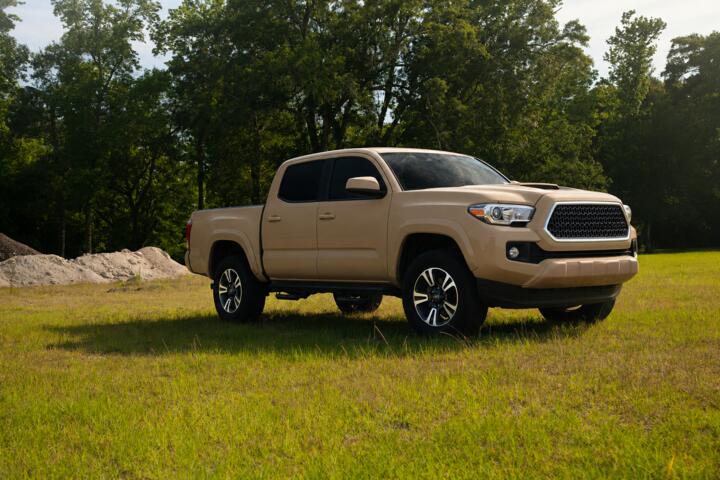
Why Pickup Checks Matter
Used pickup trucks live harder lives than many passenger cars. A sedan may spend years commuting, while a truck often tows trailers, hauls gravel, carries equipment, or idles at job sites for hours.
Data from automotive research firms regularly shows that full-size trucks such as the Ford F-150, Chevrolet Silverado 1500, and Ram 1500 rank among the highest-mileage vehicles on the road. Seeing 150,000 miles on a truck is common. Seeing 250,000 miles is not unusual.
Mileage tells only part of the story. A truck with 120,000 highway miles may be in better shape than one with 60,000 miles spent pulling a 7,000-pound trailer every weekend.
The details matter.
A careful inspection can reveal suspension wear, frame corrosion, transmission stress, and repair shortcuts before they become your problem. The difference between a solid purchase and a money pit can hide behind a clean wash and a fresh set of tires.
Common Buyer Traps
Many buyers focus on appearance first. Shiny paint and a polished interior attract attention, but cosmetic work costs far less than rebuilding a transmission.
Another mistake is trusting the seller's description without documentation. A seller may claim regular maintenance, yet have no records for oil changes, differential service, or transmission fluid replacement.
Skip the rush. Trucks that seem underpriced often have a story behind them.
Flood damage remains a recurring issue in many regions. Moisture trapped inside connectors can create electrical faults months later. I have seen trucks pass a quick test drive and then develop dashboard warning lights within 30 days.
Buyers also underestimate towing wear. A hitch receiver may look fine, but excessive tongue weight and repeated towing cycles place stress on axles, springs, brakes, and driveline parts.
Repair bills add up fast.
Inspection Steps
Check the vehicle history
Start with the VIN. Run reports through services such as Carfax and AutoCheck before meeting the seller.
Look for salvage branding, flood records, odometer inconsistencies, accident reports, and ownership history. A truck that changed hands 6 times in 8 years deserves extra scrutiny.
Do not stop there. Vehicle history reports miss some repairs, and that gap has surprised many buyers.
Inspect the frame closely
The frame is the backbone of a pickup. Surface rust is common in snow-belt states, but deep scaling, flaking metal, and fresh undercoating deserve attention.
Bring a flashlight. Crawl underneath and inspect crossmembers, spring mounts, welds, and suspension attachment points.
A magnet can help. If it fails to stick in suspicious areas, filler material may be hiding damage.
Look twice at fresh paint, which, frankly, many sellers apply right before listing a truck.
Look for towing evidence
Examine the hitch receiver, trailer wiring connector, and rear suspension. Excessive wear around these areas often indicates frequent towing.
Check for sagging rear springs. Measure ride height if possible. A difference of more than 1 inch from side to side may signal suspension issues.
Pay attention to the transmission during the test drive. Hard shifts, delayed engagement, or slipping under acceleration can point to towing-related stress.
Evaluate the engine cold
Ask the seller not to warm the truck before arrival. A cold start reveals more than a warm engine.
Listen during the first 30 seconds. Knocking, ticking, excessive smoke, or rough idle should trigger more investigation.
Check fluid levels and color. Engine oil should not resemble thick sludge. Coolant should not contain oily residue.
A cheap inspection mirror helps here. I still carry the same telescoping mirror purchased in late 2022, and it catches leaks hidden behind accessories.
Test the four-wheel drive
If the truck has four-wheel drive, engage every mode. Test 2H, 4H, and 4L where conditions permit.
Many buyers forget this step. Then winter arrives.
Grinding sounds, warning lights, delayed engagement, or vibration can indicate transfer case or actuator problems. Repairs often exceed $1,000 on modern trucks.
Do not accept "I never use it" as an explanation for a system that fails to engage.
Inspect tires for clues
Tires tell stories. Uneven wear patterns often reveal alignment issues, suspension wear, or previous accident damage.
Check tread depth across the entire width. A difference of several millimeters from one edge to another suggests a problem worth investigating.
Look at the DOT date code. Tires older than 6 years may need replacement even if tread remains.
Review maintenance records
Service records carry more weight than promises. Look for receipts covering oil changes, brake work, cooling system service, spark plugs, and drivetrain maintenance.
A truck serviced every 5,000 to 7,500 miles generally inspires more confidence than one with large gaps in documentation.
Skip trucks with missing records if the price reflects top-market value. Documentation supports the asking price.
Digital records from dealership networks can help fill gaps, although they rarely show every repair.
Pay for a pre-purchase inspection
Spend the $150 to $300. A qualified mechanic can uncover issues that escape even experienced buyers.
Many independent shops offer pre-purchase inspections that include brake measurements, scan-tool diagnostics, leak checks, and suspension evaluation.
The scan report alone can expose recently cleared fault codes, which, frankly, some sellers hope you never see.
A single inspection may save $4,000 or more in repairs.
Real Buying Examples
A landscaping company in Ohio purchased a 2018 Ford F-150 with 92,000 miles. During inspection, technicians noticed uneven rear tire wear and a slight vibration at highway speeds. Further diagnosis found worn rear leaf spring components and a damaged wheel bearing. The buyer negotiated $2,100 off the asking price and completed repairs after purchase.
Another case involved a 2020 Chevrolet Silverado 2500HD listed by a private seller. The truck looked nearly new and showed only 48,000 miles. A vehicle history report appeared clean. During a professional inspection, however, technicians found corrosion inside electrical connectors consistent with previous flood exposure. The buyer walked away and avoided a repair situation that could have stretched for years...
Small checks often reveal big problems.
Buyer Checklist
| Item | Check | Risk | Action |
|---|---|---|---|
| VIN | Report | Past loss | Verify |
| Frame | Rust | Weakness | Inspect |
| Engine | Cold run | Wear | Listen |
| 4WD | Test | Fault | Drive |
| Tires | Wear | Misalign | Measure |
| Records | Receipts | Unknown | Review |
Avoidable Mistakes
Do not buy at night. Reduced visibility hides paint mismatch, rust, and bodywork flaws.
Do not skip the highway test drive. Many drivetrain vibrations appear only above 55 mph.
Bring a scanner. Affordable OBD-II tools costing under $100 can reveal pending codes before warning lights appear.
Walk away from pressure tactics. Sellers who demand an immediate decision often know more than they are saying.
Check the spare tire, too. Neglected spares sometimes reveal how the rest of the truck was treated.
Trust evidence over stories.
FAQ
How many miles are too many for a used pickup truck?
Condition matters more than mileage alone. A truck with 180,000 well-documented miles can be a better purchase than one with 90,000 neglected miles. Maintenance records and inspection results should guide the decision.
Should I buy a truck that was used for towing?
Not automatically. Many trucks spend years towing without problems. The key is checking transmission behavior, suspension condition, brake wear, and maintenance history.
What is the best used pickup brand?
Ford, Chevrolet, GMC, Toyota, Nissan, and Ram all produce durable trucks. The condition of an individual vehicle matters more than the badge on the grille.
Is a vehicle history report enough?
No. History reports miss some repairs and incidents. Combine the report with a physical inspection and a professional pre-purchase evaluation.
How much should a pre-purchase inspection cost?
Most inspections range from $150 to $300. Heavy-duty trucks and diesel models may cost more due to additional checks.
Author's Insight
I have inspected used trucks for years, and the pattern rarely changes. Buyers focus on paint, wheels, and touchscreen features while expensive mechanical problems sit underneath. I place more trust in service records and frame condition than a spotless interior. My advice is simple: spend extra time before purchase and less money after purchase. The truck that passes every boring inspection step is usually the truck worth buying.
Summary
Buying a used pickup truck requires more than a quick test drive. Verify history, inspect the frame, test four-wheel drive, review maintenance records, and pay for an independent inspection. Start with facts, not assumptions. A few hours of careful checking can save thousands of dollars and help you find a truck ready for real work.