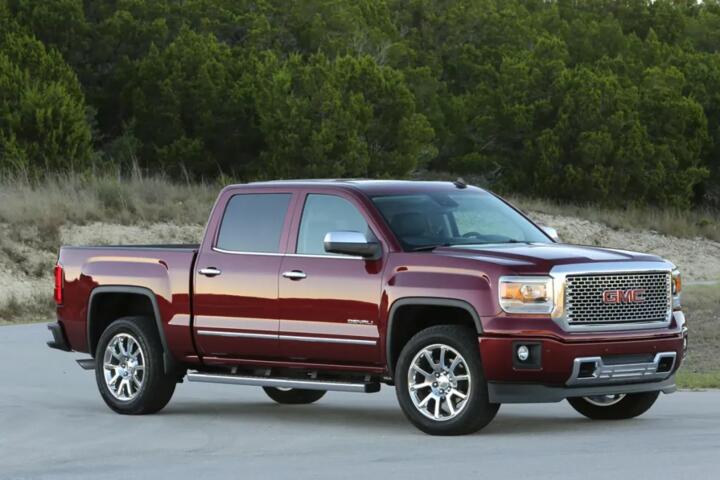
Cab Size Changes the Bill
Crew cabs usually cost more because they add rear-seat space and the body structure to support it. A regular cab keeps the wheelbase shorter and the bed longer, so the manufacturer can build fewer parts for the same truck line. That difference shows up in pricing, insurance, and sometimes fuel economy.
For a concrete example, a typical full-size pickup might offer a regular cab around 120–140 inches of wheelbase, while a crew cab often lands near 145–160 inches. That extra length changes frame components, door assemblies, and interior trim. In the U.S., trucks are also commonly sold with different axle ratios and towing packages by cab configuration, which can shift total cost.
Skip the assumption that cab type is “just seats.” The body changes, and the weight changes. Even a 200–400 lb increase can matter for payload math and brake wear on long descents.
Fleet and retail data also point to a pattern: longer-wheelbase trucks tend to have higher depreciation than you might expect for the same model year, because buyers who want compact dimensions often shop regular cabs first. Meanwhile, crew cabs hold demand from families and tradespeople who need rear access. That demand split affects resale pricing when the market tightens.
Fuel economy varies too. A crew cab’s extra mass and frontal area can reduce highway mpg by a few mpg compared with a regular cab, especially when both use the same engine and transmission. The exact gap depends on gearing and tire size, so compare window stickers side-by-side.
What Buyers Get Wrong
Many shoppers treat “crew” as a feature, not a packaging decision. The rear doors, B-pillar reinforcement, and rear-seat mounting points add cost before you even reach the infotainment and climate controls.
Skip the idea that you pay only for rear seats. You also pay for the longer cab structure, extra glass, and often a different seat-belt and airbag layout. Some trucks add rear-seat side airbags or curtain coverage for the rear row, which increases parts count and calibration work.
Consequences show up in daily ownership. A crew cab can reduce usable bed length by several inches, which matters if you haul 8-ft lumber or keep a toolbox in the bed. It also changes how you load awkward items, because the cab overhang and door openings affect swing clearance.
Financially, the price difference can be more than the sticker. Insurance can rise with higher vehicle value and with safety equipment that increases repair costs. If you’re financing, the higher purchase price increases interest over the term, even when the monthly payment looks similar due to different down payments.
Real-world situations make the tradeoffs obvious. A contractor who rarely carries more than one passenger may find the rear seat unused and the bed shorter. A parent who transports two kids in child seats and needs rear access during errands will value the crew cab every week, even if the truck costs more upfront.
How to Compare and Save
Start with bed length
Measure the bed length you actually need, then compare it across cab styles. A crew cab often shortens the bed by several inches, and that can force you to change how you secure cargo. Look for the “maximum cargo length” spec and confirm whether it matches your typical load size.
Use a tape measure in the lot. I’ve seen buyers assume an “8-ft bed” fits an 8-ft board, then discover the tailgate and bed rail geometry leave less usable length. It’s a small difference, but it changes how you strap down material.
Check payload too. If the crew cab adds 200–400 lb, your payload rating drops by the same amount, before you add passengers, tools, and a full tank. That matters for brake wear and tire life on work routes.
Compare engine and gearing
Cab choice often comes bundled with different drivetrain options. A regular cab might be offered with a lighter-duty axle ratio, while a crew cab package may include towing-oriented gearing. That changes both acceleration feel and fuel economy.
For example, a 3.5L V6 and a 5.3L V8 can be paired with different axle ratios depending on trim. If one cab configuration is only available with a 3.73:1 axle, the highway mpg can drop even when the engine displacement matches.
Skip the “same engine, same mpg” assumption. Compare EPA estimates on the exact configuration and tire size. If the crew cab is rated 1–3 mpg lower on the highway, that gap can add up over 15,000 miles a year.
Run a fuel-cost estimate
Use your driving pattern, not a forum average. If you drive 60% highway and 40% city, estimate annual fuel cost using the EPA combined figure and your local fuel price. A 2 mpg difference at 15,000 miles can mean roughly 300–500 dollars per year, depending on gas price.
For diesel trucks, the math shifts because torque and gearing affect consumption differently. Still, the method stays the same: compare the window sticker mpg for the exact cab and wheel/tire package.
Leave room for real-world variation. Cold starts, roof racks, and towing can erase small mpg differences, so track fuel for a month after purchase if you want a clean baseline.
Check rear-seat usability
Rear-seat practicality is where crew cabs earn their price. Confirm rear legroom and rear door opening width, then test child-seat installation. Many trucks use lower LATCH anchor positions that work better with certain seat designs, and the rear bench angle can affect how tightly the seat locks.
Bring the child seat manual or the seat model name. Dealers can show the anchors, but the fit depends on the seat base and whether the seat belts route cleanly. If you plan to install two seats, check whether the center position has a usable belt path or whether it forces compromises.
Also check rear HVAC controls. Some crew cabs include rear vents and separate controls, while others rely on front-only airflow. That difference affects comfort on road trips when kids are in the back for 2–3 hours at a time.
Budget for maintenance and tires
More weight and larger wheels can raise maintenance costs. Crew cabs often come with bigger tires for stance and clearance, which can increase tire replacement cost and reduce tread life if you run higher loads.
Brake wear can also differ. If the crew cab is used for towing or carries more passengers, you’ll see more frequent pad and rotor service, especially with frequent mountain descents. Ask for the brake package details on the exact trim.
Check warranty coverage terms. Powertrain warranties are usually similar across cab styles within the same model, but bumper-to-bumper coverage and corrosion terms can vary by trim and option group. Read the coverage sheet, not the brochure.
Inspect safety equipment coverage
Cab length changes how curtain airbags and side-impact sensors are packaged. Some crew cabs include rear curtain coverage, while certain regular cab trims may not cover the rear row depending on the airbag system design.
Skip the assumption that “same truck, same safety.” Compare the airbag count and the safety package list on the window sticker. Repair costs after an accident can be higher when the rear row has additional airbags and sensors.
Look for crash-test ratings from reputable programs, then match them to the cab configuration. Ratings often cover a model line, but trim and equipment can affect outcomes, so verify what the rating applies to.
Use a checklist for the test drive
Drive both cab styles back-to-back if the dealer has them. Listen for cabin noise at 60–70 mph, then compare wind noise around the rear doors and mirrors. A longer cab can change airflow patterns, and the difference shows up on highway runs.
Check visibility over the rear seat. Crew cabs can have thicker pillars and different mirror placement, which affects lane changes. If you park in tight spaces, test the rear door opening angle and whether you can buckle a child seat without hitting the door frame.
Bring a phone with a tire pressure gauge app if you like, then verify tire pressures before the drive. It’s a small step, but it prevents you from comparing one truck on “soft” tires.
Mini Case: Fleet Pickup Choice
A service company bought 10 trucks for route work. They initially ordered regular cabs with a 5.3L V8 and towing package, then found drivers frequently transported two techs plus tools, and the rear seat went unused until they started adding a second passenger seatbelt extender—messy, and not ideal.
They switched to crew cabs with the same 5.3L V8 but a longer wheelbase. The purchase price rose by about $4,000 per truck on average, and the payload rating dropped by roughly 250 lb. Fuel economy fell by about 1–2 mpg on highway routes, based on their fill-up logs over 6 months.
They still saved money because they reduced overtime tied to delayed second-trip runs. After 12 months, they estimated about $18,000 in avoided labor costs across the fleet, which outweighed the higher purchase and tire wear. The key was matching cab choice to actual passenger and tool patterns.
Mini Case: Family Road Trips
A family with two children compared a regular cab and a crew cab on a midsize pickup. They needed rear access for child seats and wanted rear HVAC vents for summer road trips, which the regular cab trim lacked.
The crew cab cost about $3,200 more and reduced bed length by roughly 6–10 inches. They used the shorter bed for weekend gear, but they avoided hauling full-length lumber, so the bed tradeoff stayed manageable.
On a 1,500-mile trip, they measured fuel use from receipts and found the crew cab averaged about 1.5 mpg less than the regular cab’s EPA highway estimate. They accepted the difference because the rear comfort reduced stop frequency, and the kids stayed in their seats without awkward front-row access.
Crew vs Regular Checklist
| Decision point | Crew cab | Regular cab | What to check on the window sticker |
|---|---|---|---|
| Rear-seat need | Rear doors and rear bench | Often no rear seat | Seat count, rear HVAC, airbag coverage |
| Bed length | Usually shorter | Usually longer | Bed length spec and max cargo length |
| Payload | Lower by added weight | Higher payload margin | GVWR and payload rating |
| Fuel economy | Often slightly lower | Often slightly higher | EPA mpg for exact cab/wheels |
| Insurance and repairs | Higher repair complexity possible | Simpler cabin structure | Trim value, airbag count, safety package |
Common Mistakes and Fixes
Paying for rear seats you never use
Why it happens: buyers picture “someday” passengers and ignore current routines. Impact: you pay higher purchase price, higher insurance, and sometimes lower mpg for years. Avoid it by listing your last 20 trips: count how many times you carried more than one passenger and how often you needed rear access.
Skip the guesswork. If you rarely carry kids, a regular cab can keep the bed longer and the payload higher.
Comparing different trims, not just cabs
Why it happens: dealers often stock different option packages across cab styles. Impact: the price gap reflects heated rear seats, towing packages, or wheel choices, not cab size alone. Avoid it by comparing the same engine size, transmission, axle ratio, and wheel/tire package.
Use the VIN to confirm the exact configuration. If the window sticker differs in drivetrain or tires, the mpg comparison becomes noisy.
Ignoring child-seat fit
Why it happens: people focus on legroom numbers and skip the belt and anchor geometry. Impact: a seat that installs loosely can fail to protect in a crash. Avoid it by bringing the child seat to the test drive and checking LATCH engagement and belt routing.
Some rear benches have a center belt that routes awkwardly, which is a deal-breaker for certain seat models. That’s not a “maybe” issue.
Assuming towing specs match
Why it happens: buyers assume cab type doesn’t change towing ratings. Impact: different axle ratios, cooling packages, and payload ratings can change the maximum trailer weight you can safely carry. Avoid it by reading the towing section on the window sticker and checking the required equipment list.
Also check the payload remaining after passengers and cargo. A crew cab can hit the payload limit before the towing rating, which changes what you can haul legally and safely.
Overlooking depreciation patterns
Why it happens: buyers anchor on the sticker price and ignore resale demand. Impact: if the market prefers crew cabs in your region, regular cabs can depreciate faster, or the reverse can happen. Avoid it by checking local listings for the same model year and trim, then comparing mileage and condition.
Look at how long similar trucks sit on dealer lots. It’s a rough signal, but it often matches the resale reality.
FAQ
How much more does a crew cab cost?
Pricing varies by model year, engine, and trim, but the difference often lands in the low thousands to several thousand dollars. The crew cab typically adds rear doors, rear-seat structure, and extra interior components, so the cost is not limited to the seats. To estimate your real cost, compare the exact configurations: same engine size, transmission, axle ratio, and wheel/tire package. Then add the likely insurance difference and any financing interest from the higher purchase price.
Does a crew cab get worse mpg?
It often does, but the gap is not universal. The crew cab’s extra weight and longer wheelbase can reduce highway mpg by a small margin when both trucks use the same engine and transmission. Tire size and axle ratio can swing results more than cab type. Compare EPA highway and combined figures for the exact cab configuration, then estimate annual fuel cost using your miles per year and your local fuel price.
Will payload drop in a crew cab?
Payload commonly drops because the crew cab weighs more. The reduction can be a few hundred pounds depending on the model and options, which directly reduces how much cargo and passengers you can carry while staying within the GVWR. Verify the payload rating on the sticker for your exact build. Then subtract passengers, tools, and a full tank to see how close you get to the limit on your typical workday.
Is a crew cab better for child seats?
It usually is because rear doors make it easier to position and tighten child seats, and many crew cab trims include rear HVAC vents. Still, fit depends on the seat model, anchor locations, and belt routing. Bring the child seat to the test drive and check LATCH engagement and how the seat base sits on the bench. If you plan to install two seats, confirm that the center position works for your seat design.
Can a regular cab be better for towing?
It can, because a regular cab often has a longer bed and higher payload margin, which helps when you load passengers and gear. Towing capacity depends on the truck’s cooling system, axle ratio, hitch setup, and payload, not cab style alone. Compare the towing rating and the required equipment list on the window sticker. Also check the payload remaining after you account for passengers and cargo, since payload limits can restrict what you can tow in practice.
Author's Insight
Crew cabs cost more because they change the truck’s packaging: longer wheelbase, more body structure, and additional interior components. Those changes affect payload math and sometimes fuel economy, even when the engine displacement stays the same. When buyers compare cab styles, the most reliable approach is to match drivetrain and wheels, then compare bed length, payload, and EPA mpg on the exact build.
In fleet settings, the decision usually comes down to whether rear-seat access reduces second trips. In family use, it comes down to child-seat fit and rear comfort on multi-hour drives. If you rarely use the rear row, the regular cab often keeps more capability where you actually spend it.
Key Takeaways
Crew cabs cost more because they add rear-seat structure, doors, and often safety and comfort equipment that raise parts count. The tradeoffs show up as shorter bed length, lower payload margin, and sometimes lower mpg. Compare the exact builds: same engine size, axle ratio, and tire package, then check bed length, payload, and EPA mpg.
Next step: write down your top 3 real loads (passengers, cargo length, towing weight) and test-fit a child seat if it applies. If the numbers push you near payload limits, talk to a dealer about the specific axle ratio and tow package on the configuration you’re considering.
Limits: cab choice cannot fix poor loading habits. If you plan to tow near the rating, verify cooling and hitch setup, and follow the manufacturer’s instructions in the owner’s manual.
Seek professional advice if you’re unsure about child-seat installation, towing weight distribution, or how to interpret payload and GVWR for your exact vehicle build.