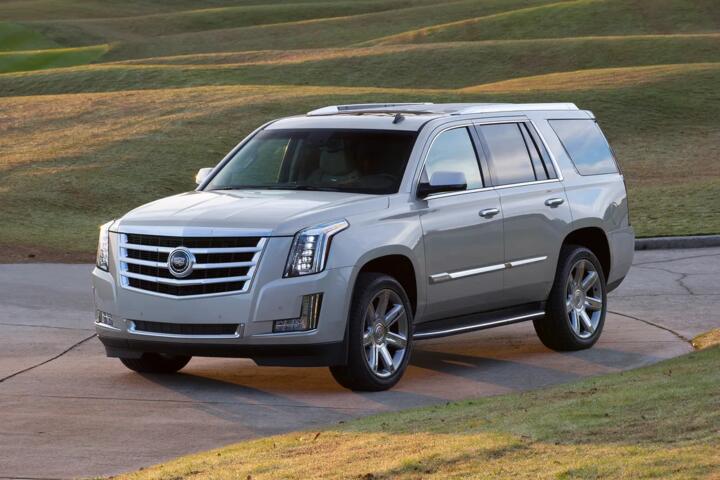
Structure Changes the Feel
Unibody SUVs tie the body and frame into one welded shell, while body-on-frame SUVs mount the body on a separate ladder frame. That difference affects how forces travel through the vehicle when you hit a pothole, brake hard, or tow a trailer.
In the US, the EPA’s fuel-economy testing uses standardized cycles, but real-world results often diverge because suspension tuning and drivetrain loads change how often you need throttle. For example, a 3,500 lb trailer can add enough load that a 2.0L turbo SUV may spend more time near higher engine speeds, raising fuel burn.
Body-on-frame trucks also tend to run higher ground clearance and heavier-duty suspension components. That usually means more mass in the suspension and steering system, which shows up as different steering feel and more visible body motion over uneven pavement.
Unibody designs often keep the center of gravity lower for the same wheel size. Lower mass transfer can reduce the “after-bump” rocking you notice in some truck-based SUVs.
Here’s a concrete example: a typical unibody crossover with a 2.5L or 2.0L turbo may target around 25–35 mpg combined depending on drivetrain, while many body-on-frame models with V6 engines often land closer to 18–25 mpg combined. Exact numbers vary by year and configuration, but the layout trend shows up often in published EPA estimates.
Road noise also tracks with structure. A stiffer unibody shell can transmit less low-frequency vibration into the cabin, but tire choice and wheel size still dominate what you hear.
What Buyers get Wrong
People often treat “SUV” as one category, then judge ride and handling as if the chassis were the same. The layout changes how the suspension links to the vehicle, so the same tire and speed can feel different across designs.
Some shoppers expect a body-on-frame SUV to drive like a unibody crossover at city speeds. They then blame the shocks or tires when the real issue is how the frame flexes and how the suspension is tuned for load, not cornering response.
Skip the assumption that a softer ride always means better comfort. Softer tuning can also mean more suspension travel and more steering delay when you change lanes quickly.
Financial consequences show up later. Body-on-frame SUVs often have more serviceable components for towing and durability, but they also bring more underbody hardware—bushings, mounts, and frame-related corrosion points—that can age over time.
Unibody SUVs can be cheaper to park and maneuver, and many have lower curb weight. That can reduce brake wear in stop-and-go driving, but it doesn’t remove the need for regular inspection of control arms and bushings.
Real-world situation: a family in a snowy region drives 20 miles each way, 5 days a week, then tows a small utility trailer twice a month. The unibody SUV might handle the commute well, yet the towing setup and cooling demands can push it into higher engine load more often.
Another situation: a contractor uses the SUV for jobsite trips with gravel, curb strikes, and occasional heavy loads. A body-on-frame layout usually tolerates that kind of abuse better, but it can also feel less composed on smooth highways.
How to Choose and Test
Match the SUV to use
Pick the layout based on how often you tow, carry heavy loads, or drive rough roads. Body-on-frame SUVs are designed around a separate frame and suspension geometry that supports higher towing and payload use cases.
Look at the manufacturer’s towing rating and payload sticker, not just the marketing tow number. A 5,000 lb tow rating on paper can hide limits like tongue weight and cooling capacity.
In practice, you’ll feel it during a test drive when you accelerate from 30–60 mph. A heavier frame-based SUV often needs more pedal travel to reach the same speed, especially with a V6 and a lower gear ratio.
Use the owner’s manual and the towing guide in the glovebox. If the SUV has a tow package, check whether it includes a class-IV hitch receiver, wiring harness, and transmission cooler.
Outcome target: choose a setup where your typical trailer weight sits well below the maximum rating. Staying 10–20% under the limit reduces strain on cooling and driveline components.
Test ride on real roads
Drive over the same type of pavement you see weekly: expansion joints, potholes, and uneven lane markings. Unibody SUVs often feel more “tied down” over small impacts, while body-on-frame SUVs can show more vertical motion.
Bring a phone and record cabin noise at 40 mph. Use the same app each time; even a rough comparison helps you notice low-frequency boom or tire roar.
Pay attention to steering response after a bump. If the front end “wanders” for a second, the suspension and bushings are likely tuned for load, not quick transient control.
Try a controlled lane change at 35–45 mph. You’re watching for body roll and how quickly the vehicle settles, not chasing lap times.
Outcome target: if you feel repeated after-bump oscillation, plan on living with it. It rarely disappears after a tire swap.
Check suspension wear points
Ask for a pre-purchase inspection focused on suspension bushings, ball joints, and mounts. Body-on-frame SUVs often have more visible frame-mounted components, so corrosion and bushing wear can show up sooner in salty regions.
Look under the vehicle with a flashlight. Frame rails, crossmembers, and the rear leaf-spring or multi-link areas can show rust at weld seams.
Unibody SUVs still need inspection, especially at control arm bushings and strut mounts. A clunk over small bumps can come from worn bushings, not “bad roads.”
Use a mechanic’s scan tool if the dealer allows it. Codes related to suspension sensors or wheel speed can hint at worn bearings or alignment issues.
Outcome target: budget for at least one suspension refresh during long ownership. Many owners see wear items like sway bar links or bushings around 60,000–100,000 miles, depending on roads.
Compare braking and stability
Brake feel differs because chassis stiffness and suspension geometry affect weight transfer. Unibody SUVs often feel more consistent in straight-line braking, while body-on-frame SUVs can feel more “truck-like” with a longer pitch response.
Do a safe stop from 40 mph and note pedal travel. If the pedal sinks more than expected, check for air in the system or worn pads and rotors.
Then test stability control behavior on a wet road if conditions allow. You’re listening for how quickly the system intervenes, not trying to trigger it.
Outcome target: choose the vehicle that stays predictable with minimal steering correction. That reduces fatigue on long drives.
Plan for towing cooling
Body-on-frame SUVs frequently pair towing with larger radiators and transmission coolers. Some unibody SUVs can tow too, but the cooling margins and hitch integration vary widely.
Check whether the SUV has a factory tow package and a dedicated transmission cooler. Aftermarket hitches are common, yet wiring and cooling integration matter for long grades.
In practice, you’ll notice it on a hill test drive. If the engine hunts between gears or the fan runs constantly, the cooling strategy may be marginal for your typical trailer.
Use the temperature gauge behavior if the vehicle has one. Many modern SUVs hide engine temps, so you may rely on fan cycling and gear selection.
Outcome target: match the SUV to your longest grade and typical trailer weight. A 3,000 lb trailer on flat routes is not the same as 3,000 lb climbing 6% grades for 20 minutes.
Account for cabin practicality
Unibody crossovers often have lower step-in height and flatter floor packaging. That can help with child-seat installation and easier access for older passengers.
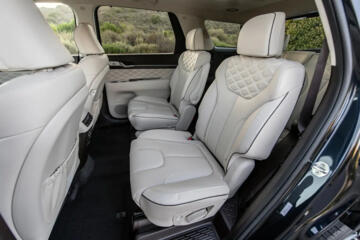
Check rear-seat legroom and the seatback angle. A boxier body-on-frame SUV can offer more headroom, but the rear floor hump and door sill height can complicate child-seat base placement.
Bring your child seat and test the fit. LATCH anchors and top-tether routing differ by model, and some seats sit awkwardly with certain seatbelt geometries.
Outcome target: if the child seat requires excessive recline or the base rocks, keep shopping. That issue doesn’t improve after purchase.
Budget for insurance and repairs
Insurance costs often differ by model more than by layout, yet body-on-frame SUVs can carry higher repair costs due to heavier bumpers, frames, and underbody parts. Collision repair estimates can climb when frame-mounted components need replacement.
Ask for a quote using your ZIP code and annual mileage. Then compare deductibles and rental coverage, not just the premium.
For maintenance, check whether the SUV uses more frequent service intervals for drivetrain fluids when towing. Many tow-capable vehicles recommend shorter oil-change intervals under heavy use.
Outcome target: plan for higher brake and tire wear if you tow or drive loaded. Trailer use increases brake heat cycles and tire sidewall stress.
Don’t ignore alignment and tires
Tires can mask or exaggerate layout differences. A body-on-frame SUV on all-terrain tires may feel busy over pavement joints, while a unibody SUV on highway tires can feel calmer.
Check tire size and load rating on the door jamb. A mismatch can lead to faster wear and a harsher ride.
After a test drive, look for steering pull. If the vehicle drifts, alignment and tire balance issues can distort your impression of chassis behavior.
Outcome target: choose a tire that matches your climate and load needs. Then evaluate the suspension again after installation.
Mini Case: Fleet Towing
A regional service company ran 12 unibody-based SUVs for daily routes and occasional towing of 2,500–3,000 lb equipment trailers. The problem showed up after 18–24 months: transmission temperatures ran higher on mountain routes, and drivers reported more frequent downshifts on grades.
They switched two units at a time to body-on-frame SUVs with factory tow packages and larger coolers. They also standardized trailer weights and added a policy to keep towing below 80% of the rated maximum.
Result: brake pad replacement moved from about 35,000 miles to roughly 45,000 miles on the new units, and transmission service intervals stretched because the drivers used lower gears more consistently.
They still saw tire wear, but it became predictable. Annual maintenance spend dropped by an estimated 8–12% across the towing-heavy routes, based on invoices and fluid-change records.
Skip the idea that the layout alone fixed it. Driver behavior and trailer weight discipline mattered too.
Mini Case: Family Commute
A family in a salted-road area compared a unibody crossover and a body-on-frame SUV with similar wheel sizes. The commute was 25 miles each way, with frequent stoplights and a rough overpass expansion joint.
The unibody SUV had less low-frequency cabin vibration at 45–55 mph. The body-on-frame SUV felt more “busy” over the joint, and the steering wheel required small corrections to stay centered.
They also tested child-seat fit. The unibody model’s rear seat cushion height made it easier to tighten the base without excessive recline, and the top-tether routing was less cramped.
Result: after 1 year, the family reported fewer complaints about fatigue on the commute. Maintenance invoices showed similar brake wear, but the body-on-frame SUV needed earlier inspection of underbody fasteners due to corrosion exposure.
They kept the body-on-frame SUV for weekend hauling only. The unibody became the daily because the trade-off matched their actual driving.
Checklist for Your Test Drive
| Check | Unibody SUV | Body-on-frame SUV | What to do |
|---|---|---|---|
| Ride over joints | Often calmer low-frequency feel | More vertical motion possible | Drive the same 2-mile route |
| Steering after bumps | May settle quicker | May feel slower to re-center | Do a safe lane change at 35–45 mph |
| Towing integration | Varies by model | Often built for towing | Confirm tow package and cooler |
| Underbody corrosion | Less frame hardware | More frame-mounted parts | Inspect weld seams and mounts |
| Child-seat fit | Often easier access | Higher sill can complicate | Bring your seat and test LATCH |
| Ownership costs | Often lower curb weight | Repairs can cost more | Get insurance quotes before buying |
Common Mistakes and Fixes
Assuming ride comfort transfers across layouts. People test on smooth dealership pavement, then drive home over their own potholes. The impact is different because suspension tuning targets different loads. Avoid it by driving 5–10 minutes on your local road type, not just a loop around town.
Overlooking towing cooling and gearing. Buyers focus on the maximum tow rating, then ignore transmission behavior on grades. That can lead to higher temperatures and more frequent downshifts, which accelerates wear. Avoid it by asking for a hill test drive and checking whether the tow package includes a transmission cooler.
Skipping underbody inspection on used trucks. Frame-mounted components can hide corrosion until it affects bushings or mounts. The impact shows up as clunks, vibration, and alignment drift. Avoid it by bringing a mechanic or using a lift inspection at a trusted shop, especially if the vehicle lived in salt.
Buying tires that don’t match the job. All-terrain tires can increase road noise and steering effort, which makes a body-on-frame SUV feel harsher than it is. The impact is higher cabin noise and faster tread wear if pressures are wrong. Avoid it by checking the door-jamb tire size and load index, then matching tire type to your climate.
Ignoring child-seat geometry. Higher seat height and different seatback angles can make LATCH installation awkward. The impact is a loose base or poor belt routing, which defeats the point of the seat. Avoid it by installing your seat in the parking lot and verifying tightness and top-tether routing.
Chasing horsepower instead of drivability. A V6 with 300 hp can still feel strained when towing because gear ratios and cooling matter more than peak output. The impact is higher fuel burn and more heat. Avoid it by comparing how the engine behaves at 2,000–3,000 rpm under load.
FAQ
Do unibody SUVs tow less?
Many unibody SUVs tow, but the rating and real-world margin vary by model, engine, and whether the vehicle has a factory tow package. A unibody crossover with a 2.0L turbo might tow less than a body-on-frame SUV with a V6, yet it can still handle a small trailer if you stay within the rated tongue weight and use the correct wiring harness. The practical difference shows up on grades: gear hunting and fan cycling can indicate limited cooling margin. Check the owner’s manual for towing limits and recommended fluid-change intervals under heavy use.
Why does a body-on-frame SUV feel “looser”?
Body-on-frame designs often prioritize load handling, so suspension tuning and chassis stiffness can produce more visible motion over uneven pavement. Frame rails can flex slightly, and the suspension bushings are often tuned for durability under heavier loads. That can translate into slower steering re-centering after a bump and more vertical movement when you hit expansion joints. Tire choice matters too; all-terrain tires increase tread-block movement and can amplify the sensation. Test the vehicle on the same road you drive weekly, then compare steering settle time after impacts.
Which layout is quieter on the highway?
Noise depends on more than structure. Tire tread pattern, wheel size, and insulation package can dominate cabin sound. Still, some unibody SUVs tend to transmit less low-frequency vibration into the cabin, especially when the suspension is in good condition. A body-on-frame SUV may show more boom or vibration if mounts or bushings are worn, or if the tires are louder. To compare, drive at a steady 45–65 mph and note cabin noise changes over 2–3 miles, not just at one speed.
Are repairs more expensive on frame SUVs?
Repairs can cost more, but it’s not guaranteed. Collision damage often drives cost because frame-mounted components and heavier underbody parts can require more labor and parts. Mechanical repairs depend on what fails: worn bushings, shocks, wheel bearings, and exhaust components are common across both layouts. In salt regions, frame-mounted corrosion can add cost on body-on-frame SUVs. The best approach is to get a pre-purchase inspection and request insurance quotes for the exact trim and year you’re considering.
Which is better for winter driving?
Winter traction depends more on tires, wheel alignment, and drivetrain than on unibody versus frame. Both layouts can be stable with the right tire set and correct tire pressures. The difference shows up in ride height and suspension behavior: a higher vehicle may feel less settled over rutted snow, while a lower unibody SUV may feel more composed on plowed roads. If you tow a trailer in winter, cooling and braking matter more than layout. Choose a vehicle with appropriate towing ratings, then match tires to your typical temperatures and snow depth.
Author's Insight
Unibody and body-on-frame SUVs drive differently because the suspension attaches to different structures and because the tuning targets different priorities. In practice, the layout shows up most clearly over bumps, during steering transients, and when the vehicle carries or tows weight. Buyers often notice the difference after a week of commuting, not during a 10-minute test drive.
When you compare models, treat the chassis as part of the drivetrain system. A 2.5L or 3.5L engine can behave very differently once you add trailer load, and the chassis stiffness affects how that load feels through the steering wheel and seat.
For used vehicles, inspection matters more than the badge. Worn bushings and mounts can erase the “expected” layout feel, and corrosion can change how the frame-based suspension holds alignment.
Key Takeaways
Unibody SUVs usually feel calmer over small pavement impacts, while body-on-frame SUVs often show more motion but can be better matched to towing and heavy-duty use. The layout affects ride behavior, steering settle time, and how the vehicle manages load, not just how it looks.
Next steps: compare towing ratings and tow package content, drive your own road surface, and test child-seat fit if you have kids. Get insurance quotes and plan for suspension wear items over time, especially in salt states.
Limits: published fuel economy and towing numbers don’t predict every outcome. Real results depend on trailer weight, grade, tire type, and how the transmission is used.
If you feel persistent vibration, clunks, or pulling after bumps, have a shop check alignment and suspension components. That’s the fastest way to separate layout characteristics from worn parts.