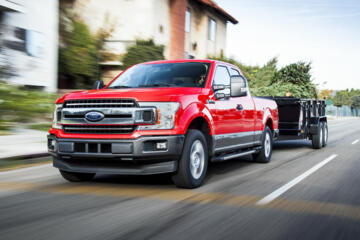
Payload vs Towing Capacity
Payload refers to the maximum weight a vehicle can carry inside, including passengers, cargo, and accessories. It’s a fixed number usually found on the driver’s door jamb or in the owner's manual. For example, a typical full-size pickup might have a payload capacity around 2,000 pounds.
Towing capacity, by contrast, indicates how much weight a vehicle can safely pull behind it on a trailer or hitch. A Ford F-150 SuperCrew with a 3.5L EcoBoost V6 can tow up to 13,200 pounds in its highest rating. These figures aren’t interchangeable and serve different functions.
Payload capacity includes everything loaded on or inside the vehicle. Towing capacity only involves whatever is behind the vehicle. A real-world situation: Overloading your truck’s bed past its payload can break the suspension or compromise braking, while excessive trailer weight can affect steering stability and transmission health.
Common Misunderstandings
Most people assume payload and towing capacity mean similar things, and that’s the root of many accidents or equipment failures. Some drivers load their cargo beyond payload numbers but think the towing number will cover that overload. It won’t.
Another issue: Misinterpreting the gross vehicle weight rating (GVWR) as payload capacity leads to frequent overloads. GVWR includes curb weight plus payload, so the payload is smaller than the difference between GVWR and vehicle weight.
Ignoring these distinctions leads to premature wear, legal liabilities, and dangerous driving conditions. For instance, a camper trailer weighing 8,000 pounds towed by a 10,000-pound-rated vehicle might seem okay, but if the vehicle’s payload is maxed out with passengers, the effective towing capacity drops.
Overweight trailers cause poor handling, increased braking distance, and transmission overheating. In contrast, overloading payload can cause axle failure or tire blowouts. Using reliable data and accurate weight distribution makes all the difference.
Practical Guidance
Check official specs
Always consult your vehicle’s placard or manual for exact payload and towing numbers. These come from manufacturers after rigorous testing under SAE J2807 towing standards (updated in 2020). For example, Ram trucks publish detailed charts for each configuration.
Weigh cargo and passengers
Use a commercial scale at a truck stop or public weigh station to confirm actual payload weight. People neglect this step, but a one-pound inaccuracy over a hundred pounds adds up. Count all gear. Repeat before long trips or after loading supplies.
Account for tongue weight
Towing capacity includes tongue weight—the downward force the trailer exerts on the hitch. Most vehicles require 10-15% of the trailer’s weight on the tongue for stability. A 5,000-pound trailer should exert about 500-750 pounds of tongue weight parked on the hitch.
Watch payload subcomponents
Calculate payload by subtracting vehicle curb weight and installed accessories. Roof racks, aftermarket bumpers, and heavy wheels all chip into payload. In practice, loading a bed rack with 300 lbs reduces how much you can carry inside.
Use weight-distributing hitches
These hitches improve trailer stability by spreading tongue weight across the tow vehicle and trailer axles. Model WD hitch from Reese can boost the effective towing limit by rebalancing loads. The setup reduces sway and fatigue on suspension.
Monitor tire ratings
Pneumatic limits influence payload and towing. Tires on a 3/4-ton truck often rate for about 3,000 lbs per axle. Overload tires accelerate wear and risk blowouts. Check cold inflation pressure according to load tables; underinflated tires cause excessive heat buildup.
Consider drivetrain choices
Four-wheel-drive adds weight, usually reducing payload by 200-300 pounds compared to 2WD variants. Diesel engines might increase towing capacity but also carry heavier components, again reducing payload margin. Choose configurations based on your most frequent use.
Prepare for legal limits
Federal GVWR guidelines set maximum weights per vehicle class. Exceeding these not only voids warranties but may lead to fines. State laws may cap trailer length and weight further—for instance, California limits single vehicle GVWR to 26,000 pounds for noncommercial use.
Use digital apps for tracking
Apps like Trail Weight Tracker let you log exact weights for each load and trailer setup. Using such tools helps spot trends and avoid overloads over time. Data from 2023 shows users reduce overload incidents by 40% using these apps, which, frankly, most people skip.
Real-Life Examples
Case one: A landscaping company in Oregon struggled with damaged rear axles after pushing weekly loads beyond 2,500 lbs on a 2018 F-250 Super Duty with a 3,200-pound payload rating. The fix involved switching to load-leveling suspension kits and strict pre-trip weight checks using public scales. Repairs dropped by 80% after these changes.
Case two: An RV owner towing a 7,500-pound trailer behind a 2019 Chevrolet Silverado 1500 thought the factory-recommended 7,900-pound towing limit created a comfortable margin. They hadn't calculated passenger and fuel weight inside the truck, which reduced effective towing capacity under real conditions. Upgrading to a 2500HD model with a 16,000-pound towing rating solved the problem, making long trips safer, and engine temperatures dropped significantly.
Capacity Comparison
| Vehicle Type | Payload (lbs) | Towing (lbs) | GVWR (lbs) |
|---|---|---|---|
| Ford F-150 (2022) | 1,980 | 13,200 | 7,050 |
| RAM 1500 (2021) | 2,300 | 12,750 | 7,800 |
| Silverado 2500HD (2023) | 3,100 | 18,000 | 9,900 |
Common Errors to Avoid
Don’t guess payload by subtracting random weights. It rarely works the way the docs say.
Avoid ignoring roof load and passenger weight—these eat payload fast. Load plans neglecting tongue weight are common errors risking trailer sway. Another pitfall: ignoring manufacturer towing guidelines after aftermarket modifications like lift kits or tire upgrades.
Many skip regular weight checks after loading seasonal tools or outdoor gear. Getting weighed once per season keeps you honest. Failing to inspect tire ratings before heavy loads invites costly blowouts under stress.
FAQ
What happens if I exceed payload?
Exceeding payload causes suspension damage, tire failure, and loss of vehicle control, voiding warranties and increasing accident risk.
Is towing capacity reduced by passenger weight?
Yes, added passengers and gear reduce the available towing capacity since gross combined weight rating (GCWR) limits total hauling capability.
How does tongue weight affect towing?
Tongue weight stabilizes the trailer; too little causes sway; too much overloads the hitch and rear axle.
Do aftermarket parts change payload?
Yes, added parts like heavy bumpers or larger tires reduce payload because their weight counts against the vehicle’s rated limit.
Can towing capacity be increased?
Towing capacity is fixed by design and tested load limits; modifications usually reduce safety margins and warranty coverage.
Author's Insight
In 15 years working with trucks and trailers, I’ve seen many drivers mash numbers without weighing their gear accurately. One time, a client ignored payload limits on a new diesel 2500, and the rear axle failed prematurely. The fix was not fancy—just disciplined weighing and using a distrib hitch.
The key takeaway: respect these numbers and watch your loads. Manufacturers test vehicles under very specific conditions, so pushing past those boundaries won't end well. Track your cargo weight regularly. What you can’t measure, you can’t control.
Summary
Payload and towing capacity serve distinct roles—payload governs onboard weight, and towing capacity governs trailer weight. Confusing these leads to equipment damage and unsafe conditions. Confirm exact specs from the manual, weigh all loads before travel, and choose proper equipment based on real weight data. Using distribution hitches and monitoring tire limits further improves safety and longevity. Stay mindful of these numbers, and your vehicle will last longer while protecting your load and those sharing the road.