Used Family Car Basics
A used family car should match your daily routes, parking reality, and child-seat needs before you compare trims. Start by listing your must-haves: rear-seat space for car seats, visibility for school runs, and comfort for longer drives. Then narrow by drivetrain and age range based on how you drive, since stop-and-go traffic stresses brakes and cooling systems differently than steady highway miles.
Bring a short plan to the seller: confirm the VIN, check tire age, review maintenance records, and schedule a test drive with specific maneuvers like full steering lock, a gentle hill start, and a controlled stop from 30–40 mph. If the seller resists VIN verification or refuses a pre-purchase inspection, that friction often predicts future friction.
Main Problems And Pain Points
Many buyers focus on exterior condition and miss the systems that affect safety and long-term costs. A clean interior can still hide warning lights, incomplete repairs, or a cooling system that only fails under load. Family cars also carry extra weight from child seats, cargo, and frequent short trips, which can accelerate wear on brakes, suspension bushings, and battery health.
Dependencies matter: safety features depend on sensors, wiring, calibration, and software. A forward-collision system may look fine until a windshield replacement changes sensor alignment, or until a scan tool shows stored faults that never trigger a dashboard light. Lane-keeping, adaptive cruise, and automatic emergency braking often share components, so one unresolved issue can cascade into multiple “sometimes works” behaviors.
Maintenance history is another dependency. Oil change intervals, coolant service, transmission fluid service (where specified), and brake fluid changes influence failure risk more than the odometer alone. When records are missing, you’re forced to treat the car as a higher-uncertainty purchase, which changes what you should pay and how hard you should inspect.
Solutions And Advice
Verify Safety And Recalls
Run the VIN through the manufacturer’s recall lookup and check for open recalls before you test drive. If a recall is open, ask whether the remedy is available and what parts are required; some repairs take time due to parts availability. During the test drive, watch for warning lights and listen for abnormal sensor sounds around parking maneuvers, since parking sensors and cameras share wiring harness routes.
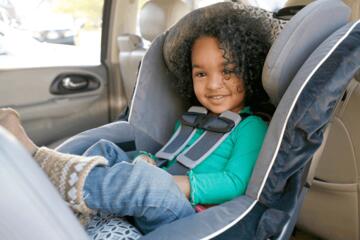
Check child-seat fit using the car’s manual and the seat manufacturer’s fit guide. Look for top-tether anchors, seatbelt geometry, and whether the seat cushion allows a secure installation without excessive slack. If you plan to use a booster, confirm that the headrest height and seatbelt routing support proper belt positioning; a booster that “fits” loosely can still route the belt incorrectly.
As a side observation, I’ve seen buyers assume a “rear camera” means good visibility, then discover the camera image is delayed or distorted after a repair. A quick check of the camera feed at different speeds and in daylight can reveal issues that photos never show.
Use A Scan Tool Before Buying
Ask for a pre-purchase inspection that includes a diagnostic scan for stored and pending trouble codes. A basic OBD-II reader can show some codes, but a shop scan tool often reveals more detail like freeze-frame data and module-specific faults. If the seller won’t allow scanning, treat that as a major limitation on your ability to verify condition.
Focus on codes related to airbags, seatbelt pretensioners, ABS/traction control, stability control, and steering angle sensors. These systems affect family safety and can be expensive to repair. Also check for “pending” codes that may not illuminate the dashboard yet; they can indicate intermittent sensor failures.
On the tool side, many independent shops use scanners such as Autel or Launch models, and some can read manufacturer-specific modules. If you’re doing it yourself, note that cheap Bluetooth dongles and phone apps vary in coverage; version numbers and supported vehicle coverage matter, and the app screen can look reassuring while missing the module you care about.
Inspect Wear Items With Numbers
Measure tire tread depth and check tire age codes on the sidewall. Tires older than about six years often show more cracking even with decent tread, and family cars with frequent highway use can wear unevenly if alignment is off. Inspect brake rotor thickness if the shop can measure it, and look for brake dust patterns that suggest sticking calipers.
Check the battery date, since batteries commonly last around 3–5 years depending on climate and driving patterns. For cooling systems, inspect for dried coolant residue near hoses and the radiator end tanks. If the car has a history of overheating or coolant loss, ask for documentation; a “no leaks” claim without evidence is weak.
For suspension, look for uneven tire wear, torn boots on CV axles, and play in ball joints or wheel bearings. A short test drive may not reveal a failing wheel bearing, but a slow roll over a parking-lot speed bump and a gentle turn can expose a growl.
Test Drive Like A Family User
Drive the car with your real constraints: seat position for a child-seat driver, visibility checks for crosswalks, and comfort over bumps. Perform a few controlled stops to evaluate brake feel and steering return to center. If the car has adaptive cruise, test it on a safe road segment and confirm it engages smoothly without repeated disengagement.
Try a hill start if your route includes grades, since transmission behavior under load matters for reliability and drivability. Listen for clunks during gear changes, and watch for shuddering that can indicate driveline or mount issues. If the car has a dual-clutch or continuously variable transmission, pay attention to low-speed creep and smoothness; some behavior is normal, but harshness that worsens with temperature is a red flag.
As an aside from common buyer feedback, people often focus on acceleration and ignore steering effort changes after the first few minutes. A steering rack that feels fine cold but heavy warm can point to fluid or assist issues.
Case Examples
Scenario: Missing Records
A buyer considers a 2016–2018 family sedan with moderate mileage and a low asking price. The seller provides partial service invoices but no documentation for coolant service and no proof of transmission fluid service where the manufacturer recommends it. The pre-purchase scan shows a stored code related to an oxygen sensor and a “pending” code for an EVAP leak. The buyer negotiates a lower price after the inspection, then schedules repairs before finalizing the purchase, since EVAP issues can affect emissions readiness and may mask other faults.
The lesson is not that the car is “bad,” but that missing records change the risk profile. The buyer’s decision becomes a math problem: repair cost plus uncertainty versus the price difference.
Scenario: Safety Feature Glitches
A family SUV looks clean and passes a quick test drive, but the scan reveals a calibration-related fault for the forward-collision system. The windshield was replaced recently, and the seller says it “should be fine.” During the test drive, automatic emergency braking triggers a warning message intermittently, and lane-keeping disengages more often than expected. After a shop confirms the sensor calibration status and estimates the cost and time for recalibration, the buyer either waits for the fix or walks away depending on the seller’s willingness to cover it.
This scenario shows how safety systems depend on calibration and sensor alignment, not just the absence of dashboard lights during a short drive.
Comparison Checklist For Buyers
| Check | What To Look For | Why It Matters | Decision Signal |
|---|---|---|---|
| VIN And Recalls | Open recalls and remedy status | Safety repairs may be pending parts | Walk or negotiate if unresolved |
| Diagnostic Scan | Stored/pending codes by module | Hidden faults affect safety and cost | Repair plan before purchase |
| Tires And Alignment | Tread depth, age code, even wear | Uneven wear hints at alignment or suspension | Budget for tires and possible repairs |
| Brake And Cooling | Rotor condition, brake feel, coolant residue | Heat cycles drive failures in family use | Reject if overheating history appears |
| Child-Seat Fit | Tether anchors, belt routing, headrest clearance | Installation quality affects safety outcomes | Test fit with your seat before purchase |
Common Mistakes
Skipping a diagnostic scan is the most common mistake because it leaves you blind to stored faults. Dashboard lights can stay off while modules log pending codes, and some safety systems require calibration even when the car “drives normally.”
Another mistake is relying on seller-provided maintenance summaries without invoices. A spreadsheet of oil changes can be inaccurate, and it rarely includes brake fluid service dates or coolant service details. Ask for receipts with dates and mileage, then compare them to typical service intervals for that model year.
Buyers also underestimate child-seat fit. A seat that installs easily in a showroom can behave differently with a different driver’s seating position, a different recline angle, or a booster’s belt routing. Bring the seat you own, or at least confirm fit with the exact seat model number.
Finally, people sometimes ignore tire age and assume tread depth equals safety. Sidewall cracking, uneven wear, and old tires can reduce grip in wet weather, and family driving often includes school-run rain and early morning glare.
FAQ
What documents should I ask for?
Request maintenance receipts showing dates and mileage, the vehicle history report if available, and any recall repair paperwork. For private sales, confirm the title status and ask for proof of ownership transfer readiness.
How do I check child-seat compatibility?
Use your car’s owner’s manual for tether anchor locations and seatbelt routing notes, then match them to your child-seat model’s manual. Test the installation in the exact seating position you will use most often.
What scan results should worry me?
Stored or pending codes tied to airbags, ABS/traction control, stability control, steering angle sensors, or forward-collision components deserve extra scrutiny. Codes related to EVAP readiness can also matter if your area uses emissions testing.
How can I judge tire and brake wear quickly?
Check tire tread depth and the DOT date code on the sidewall, then inspect for uneven wear patterns. During the test drive, evaluate brake feel for vibration or pulling, and ask a shop to measure rotor thickness if you’re close to buying.
Should I buy from a dealer or private seller?
Dealer purchases may include warranties or return policies depending on the contract, while private sales often provide fewer protections. Regardless of seller type, a pre-purchase inspection and diagnostic scan reduce uncertainty.
Author's Insight
I don’t have personal clinical experience, so this guidance relies on common automotive inspection practice and the way safety systems and diagnostics work in real vehicles. Safety features depend on sensors, wiring integrity, and calibration, which is why a scan tool and recall check often reveal issues a short test drive misses. Maintenance records matter because they track heat cycles and fluid services that affect reliability in family use. If you want a practical next step, schedule a pre-purchase inspection with diagnostic scanning and bring your child seat to verify fit before you negotiate price.
Key Takeaways
Start with VIN-based recall checks and a diagnostic scan that reads multiple modules, not just generic OBD codes. Inspect wear items with measurable cues like tire age codes and brake feel, then confirm cooling condition for signs of leaks or overheating history. Test drive with maneuvers that match your routine, and verify child-seat fit using the seat you plan to install. If records or scanning are missing, treat the purchase as higher uncertainty and adjust your price or decision accordingly.