Why Costs Rise On Performance
Performance cars tend to spend more money per mile because they trade durability margins for acceleration, braking, and handling. Higher output engines usually run hotter, use more aggressive calibration, and rely on tighter tolerances. Brakes and tires wear faster because they convert more kinetic energy into heat during repeated hard stops and spirited driving. Cooling and lubrication systems also work harder, and small failures can cascade into expensive repairs.
Even when a car is driven gently, the design choices remain. A turbocharger with a high boost target, a dual-clutch transmission with frequent clutch engagement, or a limited-slip differential with higher friction loads can raise maintenance frequency. The parts themselves often cost more, and labor time rises when access is tight under aerodynamic bodywork or in cramped engine bays. I’ve seen owners underestimate labor hours because the job looks “simple” on paper, then the shop spends time removing intake ducts, undertrays, or heat shields.
Main Problems And Pain Points
One common misunderstanding is treating maintenance cost as a single number rather than a chain of dependencies. Tire wear depends on alignment, driving style, compound choice, and inflation habits. Brake wear depends on pad material, rotor metallurgy, brake fluid type, and how often heat cycles occur. Engine wear depends on oil quality, oil change intervals, coolant condition, and how the car is warmed up before load.
Performance cars also concentrate wear into fewer components. A high-performance brake package may use larger rotors and multi-piston calipers, which increases rotor replacement cost and pad change frequency. A performance cooling system may include additional radiators, oil coolers, and thermostats, so a single leak can trigger multiple checks. Many owners focus on the headline part and miss the supporting items like hoses, clamps, seals, and fasteners that are replaced during service.
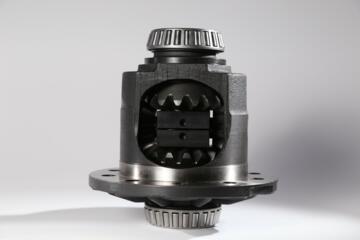
Transmission and drivetrain maintenance can surprise people because the symptoms show up late. Dual-clutch and high-torque automatic systems often require fluid changes on shorter schedules than older designs, and the fluid’s friction characteristics matter. Limited-slip differentials can require different friction modifiers, and the wrong additive can cause chatter or accelerated wear. When a shop quotes a “drivetrain service,” it may include inspection steps, scan-tool checks, and sometimes filter or pan work that adds labor time.
Another pain point is the gap between the owner’s schedule and the car’s actual duty cycle. Short trips, cold starts, and stop-and-go traffic can degrade oil faster through fuel dilution and moisture contamination. Track-style driving can overheat brake fluid and stress cooling systems beyond normal street cycles. The same car can produce very different maintenance outcomes depending on whether it sees repeated high-load events.
Solutions And Advice
Use The Right Service Schedule
Start with the manufacturer’s maintenance schedule and then adjust based on how the car is used. For many performance models, oil change intervals are shorter than for mainstream vehicles, and transmission fluid service may be time- or mileage-based with specific requirements. If the schedule lists a range, choose the shorter end for frequent spirited driving, repeated hard braking, or lots of short trips. A practical method is to create a calendar that includes “inspection-only” items, not just fluid changes, so you catch leaks and wear before they become parts replacements.
When you book service, ask what the shop checks during each visit. For example, a brake service should include pad thickness measurement, rotor condition assessment, and brake fluid testing or at least a fluid age review. For engine service, ask whether they inspect coolant level and pressure-related components, and whether they verify oil spec compliance. Shops sometimes record the oil brand and viscosity; that paper trail helps if warranty questions arise later.
Budget For Tires And Brakes
Tires and brakes are the two line items that most often drive “why is this so expensive?” conversations. Performance tires use softer compounds and wider contact patches, which increases wear rate. Brake pads and rotors can also wear faster because repeated deceleration converts more energy into heat. A realistic budgeting approach is to treat tires as a consumable with a range, then plan brake service around measured thickness and rotor wear rather than a fixed mileage.
As a rough planning tool, many performance owners see tire replacement more often than they expect, especially with aggressive alignment settings or frequent high-speed driving. Brake pad life can vary widely based on driving style and whether the car uses regenerative braking effectively. If you want numbers that match your use, request the shop’s typical pad and rotor wear observations for similar cars, then compare them to your own driving habits.
One small detail that matters: tire pressures. Underinflation increases sidewall flex and heat, which accelerates wear and can worsen steering response. I’ve noticed owners who check pressures only monthly; for performance tires, weekly checks during hot weather often prevent the “mystery wear” pattern that leads to uneven replacement.
Protect Cooling And Oil Health
Cooling and lubrication systems determine whether performance hardware survives repeated heat cycles. Use the correct coolant type and keep an eye on coolant level and signs of seepage around hoses, radiators, and oil coolers. Oil health depends on oil spec compliance, correct viscosity, and the interval you actually follow. If the car sees frequent short trips, consider shortening oil intervals because fuel dilution and moisture can build up even without obvious warning lights.
Ask the shop to inspect for oil leaks around the turbocharger area, valve cover, oil filter housing, and any oil cooler lines. Turbo systems can be sensitive to oil starvation or contamination, and a small leak can become a larger repair when it damages nearby components. For mild frustration, many owners discover the hard way that “it’s just a seep” can still require gasket replacement and cleaning labor.
Plan For Labor And Access
Performance cars often require more labor because parts are packaged tightly. Heat shields, aerodynamic undertrays, and intake ducting can add time to routine jobs like spark plugs, air filter replacement, or brake service. Before authorizing work, ask for an estimate that includes labor hours and parts list, not just a lump sum. If the shop uses a diagnostic scan tool, ask what codes or live data they checked, since some repairs start with a system-level fault rather than a single failed part.
For example, a “check engine” light on a performance turbo car might relate to boost control, vacuum leaks, or sensor drift. Replacing parts without confirming the root cause can multiply costs. A careful shop will document test results and explain why a component is the likely failure point.
Case Examples For Budgeting
Scenario A: Daily Driver With Short Trips
A commuter buys a turbo performance sedan and drives 6–8 miles per trip, with winter temperatures and frequent idling. The owner follows the standard schedule but notices oil changes feel “early” compared with the mileage. After a few services, the shop reports elevated moisture and fuel dilution indicators during oil analysis (if performed) or notes that the oil appears darker sooner. The owner shortens oil intervals and adds a monthly tire pressure check. Over the next year, brake wear becomes more predictable because the owner avoids repeated hard stops and keeps alignment in spec.
Scenario B: Weekend Spirited Driving
An owner uses a performance coupe for weekend drives with frequent hard braking from highway speeds. The car’s brake pads wear faster than expected, and the rotors show heat spotting after repeated sessions. The shop measures pad thickness and checks rotor runout, then recommends a brake fluid service based on fluid age and heat exposure. The owner switches to a brake fluid spec that matches the car’s requirements and keeps a log of service dates. Tire wear improves after the owner confirms alignment and balances, and the next tire replacement happens closer to the expected range.
Comparison Table And Checklist
| Cost Driver | What Usually Causes It | What To Ask The Shop | How To Reduce Surprises |
|---|---|---|---|
| Tires | Softer compounds, wider contact patch, heat from underinflation or misalignment | Tread depth by position, alignment readings, balance condition, recommended pressure range | Check pressures weekly during hot weather; schedule alignment after uneven wear |
| Brakes | More energy converted to heat, frequent hard stops, brake fluid aging | Pad thickness, rotor condition, brake fluid age/testing method, caliper slide inspection | Replace based on measurements; avoid long heat-soak drives after repeated braking |
| Oil And Cooling | Higher heat load, turbo stress, short-trip moisture/fuel dilution, coolant degradation | Oil spec compliance, leak inspection points, coolant type and service history | Shorten intervals for short trips; monitor coolant level and seepage |
| Drivetrain | Fluid friction characteristics, clutch wear, differential friction modifier needs | Fluid type, service interval basis, scan-tool results, inspection of wear items | Follow the car’s fluid spec; document service dates and part numbers |
Step-by-step checklist before you buy or schedule service:
- Write down your driving pattern: daily miles, trip length, and frequency of hard braking.
- Find the maintenance schedule for your exact model year and note oil, brake fluid, and transmission service intervals.
- Ask for a parts-and-labor estimate for the next two scheduled services, not just the next one.
- Request tire and brake wear expectations based on measured tread depth and pad thickness, not guesses.
- Confirm the shop’s diagnostic process for warning lights, including what scan tool and software version they use (for example, a tool might show software version 10.3 on the report).
Common Mistakes That Inflate Bills
Skipping fluid services is the most expensive mistake because performance components depend on fluid chemistry. Using the wrong oil spec or extending oil intervals beyond the manufacturer’s guidance can increase wear in turbo bearings and valve train components. Using the wrong brake fluid type can reduce boiling resistance during repeated braking, which can lead to fade and damage.
Another mistake is replacing parts based on mileage rather than measurement. Brake pads and rotors wear unevenly when alignment is off or when caliper slides stick. Tires wear in patterns that point to suspension issues, and replacing tires without addressing the cause can repeat the cost cycle. A shop that measures tread depth across the tire face and checks for uneven wear provides more decision support than one that quotes a single “tire life remaining” number.
Owners also underestimate labor time. A “routine” job can require removing undertrays, heat shields, or intake components, and the estimate changes when fasteners seize. If you authorize work without a clear labor breakdown, you may pay for extra hours that could have been avoided by planning the service when parts are already accessible.
Finally, some owners rely on generic aftermarket parts without matching the car’s requirements. Performance cars often specify exact brake pad compounds, coolant types, and fluid friction characteristics. When those requirements are ignored, the car may feel fine at first and then develop noise, vibration, or accelerated wear later. A mild annoyance for many owners is hearing “we used a compatible part,” then learning compatibility means “it fits,” not “it matches the spec.”
FAQ
How much more do performance cars cost?
Costs vary by model year, tire choice, and driving style. Tires and brakes usually drive the biggest differences, and labor time can rise due to packaging. The most reliable estimate comes from your car’s maintenance schedule plus quotes for the next two services.
Do I need shorter oil changes?
Many performance cars specify shorter oil intervals or specific oil specs. Short trips and frequent high-load driving increase oil contamination and heat stress, which can justify using the shorter end of any interval range. Follow the manufacturer’s oil grade and approval requirements.
Why do brake jobs get expensive?
Performance brake systems can use larger rotors, multi-piston calipers, and brake fluid that ages faster under heat. Rotor replacement may be needed sooner if heat spotting or thickness variation develops. Fluid service and caliper inspection also add labor.
What maintenance items are often overlooked?
Alignment checks, brake fluid age, cooling system condition, and drivetrain fluid service intervals get overlooked when owners focus only on oil changes. Uneven tire wear and brake vibration often reveal suspension or caliper issues that should be inspected early.
Can I reduce costs without losing performance?
You can reduce cost by matching consumables to your use, keeping tire pressures correct, and following measurement-based replacement for tires and brakes. Avoiding unnecessary hard stops and keeping cooling and oil in spec reduces wear without changing the car’s core performance.
Author's Insight
Performance-car maintenance costs rise because heat, friction, and packaging constraints affect multiple systems at once. Tires, brakes, oil, and cooling each respond to duty cycle, so the same model can produce different bills across owners. Evidence-based planning starts with the manufacturer’s schedule, then adds measurement-based decisions like tread depth, pad thickness, and fluid condition. A careful budget also includes labor access time, since undertrays and heat shields often turn “simple” jobs into longer ones.
When you review quotes, ask for a parts list and labor breakdown, and request the shop’s diagnostic steps for warning lights. I’ve found that a written report with scan results and measured wear points reduces the chance of paying for guesswork, which is where costs often drift upward.
Key Takeaways
- Performance cars cost more mainly because tires, brakes, and heat management wear faster under higher loads.
- Maintenance cost depends on duty cycle, not just mileage; short trips and hard braking change fluid and wear behavior.
- Use the manufacturer schedule, then choose the shorter interval end for frequent spirited driving or short trips.
- Budget with measurement-based replacement for tires and brakes, and request labor breakdowns for tight-access jobs.
- Track service dates and part specs, especially for oil, brake fluid, and drivetrain fluids, since chemistry matters.