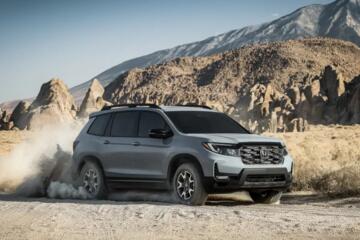
SUV Model Pricing Basics
Insurance costs for SUVs differ by model because insurers price a specific vehicle’s expected losses, not just the body style. A compact SUV and a midsize SUV can share similar safety ratings, yet still land in different premium bands due to repair labor time, parts pricing, and claim frequency. Insurers also treat trims as separate risk profiles when equipment changes crash outcomes or repair complexity.
When you request a quote, the insurer typically maps your exact year, make, model, and trim to internal loss data. That mapping often includes collision claim rates, average claim severity, theft and vandalism rates, and how frequently the vehicle is involved in certain crash types. A version with a panoramic roof, advanced driver assistance sensors, or larger wheels can shift the cost even if the vehicle’s overall class stays the same. I’ve seen quotes swing after a buyer changes from a base trim to a mid trim, even when the mileage and driver profile stay constant—usually because the insurer’s repair-cost assumptions change.
In practice, you can compare two SUVs only if you compare the same coverage limits, deductibles, and driver assumptions. If you change deductibles or liability limits during comparison, the premium difference may reflect your choices rather than the model’s risk.
What People Get Wrong
Many shoppers assume SUV insurance pricing depends mainly on horsepower or “how safe it looks.” Insurers usually weight different factors: how often claims happen for that exact model and how expensive those claims are to settle. A model with lower claim frequency can still cost more if average repair severity is higher.
Repair cost is a major driver because modern SUVs often use expensive materials and sensors. A bumper cover may look similar across trims, but the presence of radar, cameras, adaptive cruise components, or different lighting assemblies can change parts cost and calibration time. If a model’s headlights use advanced LED modules, replacement and labor can rise quickly. Some insurers also price in the likelihood of total loss based on vehicle value and repairability.
Another common mistake is ignoring theft exposure. Insurers use historical theft and recovery patterns by model and sometimes by region. Two SUVs with similar MSRP can differ sharply if one model is targeted more often or if parts are harder to recover. Theft risk also interacts with how the vehicle is equipped with immobilizers, tracking features, and alarm systems.
Supporting technologies matter because they affect both claim outcomes and repair workflows. Advanced driver assistance systems can reduce certain crash types, but they also add sensors that require calibration after repairs. That calibration step can extend shop time and increase claim severity even when the vehicle’s crash performance is strong.
How To Compare Quotes
Match Coverage And Deductibles
Start by holding coverage terms constant across models. Use the same liability limits, the same comprehensive and collision deductibles, and the same coverage selections such as rental reimbursement or roadside assistance. If you compare a $500 collision deductible on one SUV to a $1,000 deductible on another, the premium difference will reflect your deductible choice, not the model’s risk.
For a realistic comparison, request quotes with identical limits and deductibles and keep the driver profile unchanged. If you’re using an online quote tool, verify that it captured the exact trim and equipment; some tools default to a base configuration when the selection is unclear. I once saw a quote change after correcting the trim name from “Sport” to “Sport S,” which matched the insurer’s internal repair-cost profile.
Outcome expectation: you should see premiums converge when coverage terms match and the only change is the vehicle model. If the premiums still differ widely, the model-level loss data is likely doing the work.
Check Repair And Parts Costs
Model-to-model differences often come from repair economics. Look for evidence that a model’s parts are costly or that repairs require specialized calibration. You can use public sources such as insurer repair guides, collision repair shop estimates, or vehicle service manual notes when available, though these sources vary in detail.
Practical method: compare trims that differ in equipment. If one trim adds adaptive headlights, a larger infotainment screen, or a different sensor package, ask the insurer whether those features change the collision or comprehensive rating. Many insurers rate by trim because the expected repair cost changes with the equipment list.
Outcome expectation: a trim with additional sensors and lighting often costs more to insure than a simpler trim, even when both share the same platform. The gap can be modest or large depending on how frequently claims occur for that exact configuration.
Account For Theft And Region
Insurance pricing uses location because theft and vandalism patterns vary by area. If you move between ZIP codes, premiums can change even for the same SUV model. When comparing models, keep the garaging address the same and confirm the insurer uses the correct ZIP code.
Practical method: ask the insurer whether the model’s rating includes theft exposure and whether it changes with security features. Some vehicles have factory immobilizers and alarm systems; others may rely more on aftermarket add-ons. If you add an approved anti-theft device, ask how the insurer treats it and whether it affects the quote.
Outcome expectation: theft-related differences show up more clearly in comprehensive coverage than in collision coverage. If comprehensive is the main driver of the premium gap, theft exposure and recovery costs are likely part of the explanation.
Use VIN-Level Accuracy When Possible
Quotes based on year/make/model/trim can still miss details that affect repair cost. If you’re buying a specific vehicle, request a quote using the VIN when the insurer supports it. VIN-based rating reduces ambiguity about options such as wheel size, roof type, and sensor packages.
Practical method: when the dealer provides the window sticker or option list, cross-check it against the insurer’s trim selection. If the insurer asks for “equipment” or “vehicle use,” answer consistently with how the car will be driven. A mismatch in annual mileage or garaging can distort the comparison.
Outcome expectation: VIN-level quotes usually tighten the range between “estimated” and “final” premiums. That matters when you’re comparing two SUVs that are close in price but differ in equipment.
Case Examples For Real Life
Scenario A: Two buyers compare a 2024 compact SUV in base and mid trims. Both have similar safety features, but the mid trim adds adaptive cruise sensors and a different headlight assembly. The buyer keeps the same $1,000 collision deductible and the same liability limits. The quote difference shows up mostly in collision, which aligns with the insurer’s higher expected repair severity for sensor and lighting components. After the buyer confirms the exact trim name and wheel size, the insurer’s estimate stabilizes and the gap narrows.
Scenario B: A buyer in a high-theft ZIP code compares two midsize SUVs with similar MSRP. Comprehensive coverage differs more than collision coverage. The insurer explains that the models have different theft and recovery histories and that the rating uses the garaging address. The buyer then asks about factory immobilizer and alarm features and confirms the vehicle’s security equipment matches the listing. The comprehensive premium adjusts, while collision remains close to the original estimate.
These scenarios show how model-level pricing often reflects claim severity and theft exposure rather than a simple “SUV = higher insurance” rule.
Model Checklist For Quotes
| Comparison Item | What To Match | Why It Changes Premium | Quick Check |
|---|---|---|---|
| Coverage Limits | Same liability limits | Liability pricing shifts with exposure assumptions | Confirm the exact limit numbers |
| Deductibles | Same collision and comp deductibles | Deductibles directly affect claim payout | Verify both deductibles, not just one |
| Trim And Options | Exact trim, wheel size, roof type | Repair parts and calibration differ by equipment | Use VIN if available |
| Garaging ZIP | Same address or ZIP | Theft and claim frequency vary by area | Confirm the insurer’s garaging field |
| Vehicle Use | Same annual mileage and commute | More driving increases exposure | Check the mileage number |
Step-by-step checklist you can use before you compare two SUVs:
- Write down the exact coverage limits and both deductibles from each quote.
- Confirm the insurer selected the same year, make, model, and trim for both vehicles.
- Verify wheel size and major options on the listing or window sticker.
- Keep garaging address and annual mileage identical in the quote inputs.
- Compare comprehensive and collision separately to see which coverage drives the gap.
- Ask the insurer which rating factor changed when the premium moved.
Common Mistakes That Skew Results
One frequent error is comparing “cheapest premium” without comparing coverage. A lower premium can come from lower liability limits or higher deductibles, which changes your out-of-pocket risk. Another mistake is leaving the trim ambiguous, which can cause the insurer to rate a different equipment set than the one you plan to buy.
Shoppers also misread how discounts work. A discount tied to a driver profile or bundling can mask a model’s higher repair severity. If you change insurers between comparisons, you also change underwriting rules and rating models, so the premium difference may reflect the insurer rather than the SUV.
Some people enter annual mileage estimates loosely. A difference of a few thousand miles can shift exposure assumptions, and the quote tool may treat that as a meaningful change. I’ve seen online forms default to a generic mileage range; on a test quote I ran in 2026, the tool labeled it as “estimated” and the premium moved after I corrected it.
Finally, buyers sometimes assume safety ratings translate directly into lower premiums. Safety ratings can influence claim outcomes, but insurers still price by model-level loss data, repair costs, and theft exposure. A vehicle can score well on crash tests and still cost more to insure if repairs are expensive or claims are frequent for that model.
FAQ
Why does the same SUV cost more in one ZIP code?
Insurers price location-based exposure, including theft and claim frequency. A different ZIP code changes the expected loss pattern even when the vehicle model stays the same.
Do SUV trims change insurance prices?
Yes. Trims can change equipment like headlights, sensor packages, wheel size, and roof type, which affects repair parts cost and calibration time used in rating.
Is comprehensive coverage more sensitive to model differences?
Often. Comprehensive pricing reflects theft, vandalism, and weather-related losses, which vary by model and region more than collision does.
How can I compare two SUVs fairly?
Use identical coverage limits and deductibles, keep the same garaging address and annual mileage inputs, and confirm the insurer selected the exact trim or VIN.
Will adding anti-theft devices lower my premium?
Sometimes, but the insurer must recognize the device and its installation details. Ask whether the device is eligible and whether it changes the quote for comprehensive coverage.
Author's Insight
Insurance pricing for SUVs is model-specific because insurers rely on loss experience tied to exact configurations, not just vehicle class. Repair economics, theft exposure, and calibration requirements for advanced driver assistance systems frequently explain why two SUVs with similar safety features can still price differently. Quote tools can misclassify trim or options, so VIN-level accuracy reduces guesswork when you compare models. If you want a reliable comparison, keep coverage terms constant and compare comprehensive and collision separately to identify what drives the premium gap.
Key Takeaways
- Model-level insurance differences usually come from claim frequency, claim severity, repair costs, and theft exposure.
- Trims matter because equipment changes parts pricing and repair workflows, including sensor calibration.
- Fair comparisons require matching coverage limits, deductibles, garaging, and annual mileage.
- Separate comprehensive and collision when you analyze a premium gap; it often reveals whether theft or repair severity is driving the cost.
- Confirm trim and options using the window sticker or VIN to avoid rating the wrong configuration.