Why SUVs Hold Value
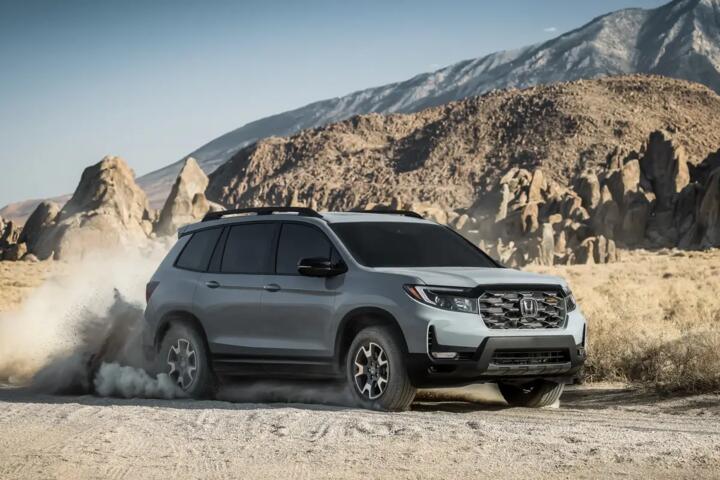
A fact: SUVs often depreciate slower than sedans because buyers keep paying for higher seating positions and cargo space. In the U.S., S&P Global Mobility data has repeatedly shown that compact SUVs and crossovers tend to retain more value than many passenger-car segments, though the gap varies by model year and incentives. Another measurable point is mileage: 12,000 miles per year is a common baseline used in resale projections, and going far above it usually compresses offers.
Resale value tracks demand, not just build quality. When fuel prices rise, shoppers still look for SUVs with efficient engines, and when families need car seats, the back seat and door openings matter more than buyers realize. For example, a 2021–2024 compact SUV with a 2.0-liter turbo or a 2.5-liter four-cylinder often competes well in used listings because it fits both commuting and weekend errands.
Skip the “one-size-fits-all” assumption. They add one more variable: trim and drivetrain. A base 2WD model can lose value faster than a similarly aged AWD version, especially in regions with snow, where buyers search for traction and winter tires. That pattern shows up in auction results and dealer trade-in behavior, even when the sticker price difference looked small at purchase time.
Ownership costs also shape resale. Tires for many SUVs are wider and cost more, and brake jobs can be pricier on heavier vehicles. Fuel economy matters too: a typical compact SUV might average 22–28 mpg combined depending on engine and transmission, while a larger three-row can land closer to 18–23 mpg combined. Those numbers affect how long owners keep the vehicle and how quickly they move to the next one.
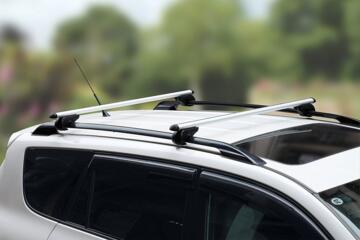
Resale value stays strong when the used buyer pool stays large. That pool includes commuters, families, and people who tow small loads. Towing capacity is a real differentiator: many midsize SUVs rate around 5,000–7,500 lb when properly equipped, while smaller crossovers often sit around 1,500–3,500 lb. Even if you tow rarely, the rating influences how the market values the vehicle.
What Buyers Get Wrong
People often chase the newest styling and ignore the parts of ownership that drive depreciation. They focus on monthly payment, then get surprised by trade-in offers after 3–5 years. Incentives also distort expectations: a heavily discounted SUV can still hold value, but the resale math changes if the buyer pool shifts toward a different trim or drivetrain.
Skip the assumption that “SUV” means one resale story. They add one more variable: wheel size. A model with 20-inch wheels may look better, but it can wear tires faster and cost more per replacement than the same SUV on 17- or 18-inch wheels. That difference shows up in maintenance logs and in the condition grading at trade-in time.
Another common mistake is underestimating repair frequency and cost. SUVs often share components with other vehicles, yet the higher curb weight can increase brake wear and stress on suspension bushings. If a vehicle sees potholes, curb hits, or frequent rough-road driving, alignment and tire wear become recurring expenses. Buyers who skip records end up with fewer negotiation points later.
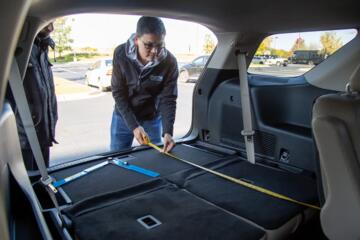
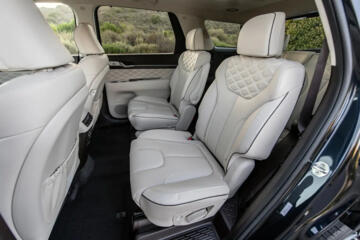
Real-world situation: a family buys a three-row SUV for school drop-offs and road trips. After 4 years, the third-row is rarely used, but the vehicle still carries the higher fuel consumption and tire costs. The market may still want it, yet the buyer pool narrows if the vehicle has high mileage, worn seats, or missing service history.
Consequences show up in the offer sheet. A clean, documented 35,000-mile SUV can trade for meaningfully more than a similar one with 45,000 miles and uneven tire tread. Even a difference of 10,000 miles can swing value by several hundred to a few thousand dollars depending on the model and region. That gap grows when the vehicle also needs tires, brakes, or a suspension refresh.
How To Protect Resale
Pick The Right Trim Mix
Do: choose trims that match the used market’s demand, not just the features you want today. Why it works: resale buyers often search by drivetrain, seating configuration, and tow package availability. In practice, a compact SUV with AWD and a tow rating around 3,500 lb tends to attract more repeat buyers than a similarly equipped 2WD model in snowy areas. Tools: check local listings for the same model year and compare how long each trim sits before sale.
Use a simple filter: look for trims that appear frequently in dealer inventory. They sell faster, and faster sales usually mean less discounting. If you’re buying a 2.0-liter turbo model, confirm the transmission type and service intervals in the owner’s manual, then keep receipts. A 2.0-liter turbo can be a strong resale engine, but neglecting oil changes shows up later.
Keep Tires And Brakes Documented
Do: maintain tire tread and brake condition on schedule. Why it works: SUVs are heavier, and tire and brake wear is visible to inspectors. In practice, replacing tires at 4/32-inch tread instead of waiting for 2/32-inch can reduce uneven wear and improve grading. Numbers: many states require 2/32-inch minimum tread, and below that the vehicle often fails safety checks.
Skip the “they’ll last” mindset. It rarely works when the tread is uneven or the sidewalls show curb damage. Keep invoices for tire rotations and alignments; a folder with dates and mileage helps during negotiation. A dealer trade-in appraiser can’t guess your maintenance habits, but they can see the paperwork.
Service History Beats Hype
Do: follow the maintenance schedule and keep a complete record. Why it works: resale buyers treat documented service as risk reduction, especially for turbo engines and transmissions. In practice, a 2.5-liter four-cylinder naturally aspirated SUV may tolerate more variation, but a turbocharged 2.0-liter or 1.5-liter still benefits from strict oil-change timing. Tools: use a spreadsheet or a service app, and store PDFs of work orders.
Resale buyers also care about recall completion. Check the VIN on the manufacturer’s recall portal and keep proof of repairs. If you’re shopping, ask for the last transmission service if the schedule calls for it, and verify the fluid type. This is where “it shifts fine” becomes a weak argument.
Match Fuel Economy To Your Routes
Do: buy the drivetrain that fits your driving pattern. Why it works: fuel economy affects operating costs and how long owners keep the SUV. In practice, a 3.0-liter V6 SUV rated around 19–22 mpg combined will cost more to run than a 2.0-liter turbo rated around 24–28 mpg combined. If your commute is short and cold, real-world mpg drops for every engine, but the gap between efficient and inefficient models remains.
Use a fuel-cost reality check. If you drive 15,000 miles yearly and pay $3.50 per gallon, a 6 mpg difference can mean roughly $2,000 per year in fuel. That cost difference influences when owners trade and how aggressive they are on price. It also affects how the used market prices high-mileage examples.
Don’t Ignore Towing And Payload Limits
Do: respect the towing rating and payload capacity listed on the door jamb and owner’s manual. Why it works: overloading can accelerate wear on brakes, tires, and cooling systems. In practice, a midsize SUV rated around 6,000 lb towing capacity still needs correct hitch setup and a properly matched trailer brake controller. Tools: weigh the loaded vehicle at a truck stop scale and compare to the GVWR.
Skip the “it handled it once” logic. Repeated heat cycles from towing can shorten component life, and buyers notice when cooling fans, transmission fluid condition, or brake rotors look tired. If you tow, keep service receipts for transmission fluid, differential service if applicable, and brake inspections. That record matters more than a story.
Plan For EV Charging Reality
Do: confirm charging access before buying an electric SUV. Why it works: resale depends on whether the vehicle can charge reliably at home or work. In practice, many EVs rely on Level 2 charging for daily use, and public DC fast charging can be slower than advertised due to temperature and station sharing. Battery range estimates vary by model and conditions, but winter range drops of 20–40% are common in cold climates.
Charging limitations affect ownership costs and convenience. If you can only charge at 120V, your daily miles may require frequent public charging, which can reduce resale appeal. Tools: check your local utility rates, charger availability, and whether the vehicle supports the charging standard you’ll use most. If you’re buying used, verify the battery warranty status and service history.
Time Your Sale With Market Cycles
Do: sell or trade when the market is paying for your configuration. Why it works: SUV demand shifts with incentives, interest rates, and seasonal needs like snow tires. In practice, selling a winter-ready AWD SUV before the first heavy snow can bring stronger offers in many regions. Numbers: depreciation curves often flatten after the first 12–24 months, then slow further when the model year is no longer new but still current.
Skip the “wait forever” approach. If the vehicle needs tires or a major service, the market discount can erase the benefit of timing. Check local comps weekly using dealer listing sites and auction results, then negotiate based on the condition grade. A clean, ready-to-drive SUV usually costs less to sell than one that needs immediate work.
Mini Case Examples
Case 1: A regional service company bought a 2020 compact SUV with a 2.0-liter turbo and AWD for 18,000 miles per year. The issue was not mechanical failure; it was missing documentation because drivers handled maintenance through multiple shops. After 3 years, the company consolidated invoices and switched to one maintenance provider, then added tire rotation tracking in a shared spreadsheet. Result: at trade-in around 54,000 miles, the SUV sold for about $1,500 more than a comparable unit with similar mileage but incomplete records, based on internal dealer quotes.
Case 2: A family used a 2019 midsize SUV rated for roughly 6,000 lb towing. They towed a small camper twice per month and ignored brake inspections until the pedal felt different. The fix was a scheduled brake service at the first sign of rotor scoring, plus transmission fluid checks aligned with the owner’s manual. Result: after 5 years and about 60,000 miles, the replacement cost avoided a major brake job and the trade-in offer stayed closer to the “clean” condition tier, roughly $800–$1,200 higher than the same model with visible rotor wear.
Resale Checklist For SUVs
| Checklist Item | What To Do | Why It Moves Value | How To Verify |
|---|---|---|---|
| Service Records | Keep invoices and mileage stamps | Reduces perceived risk | Folder + VIN recall proof |
| Tire Condition | Rotate on schedule, replace early | Visible grading factor | Tread depth & alignment receipts |
| Brake Health | Inspect rotors and pads | Avoids “needs work” discounts | Work orders, photos if possible |
| Drivetrain Choice | Match AWD/engine to region | Affects buyer pool size | Compare local listings by trim |
| EV Charging Access | Confirm home Level 2 or reliable DC | Convenience drives retention | Utility rates + charger uptime |
Common Mistakes To Avoid
Skip the “cosmetic only” approach. It happens when owners fix scratches but ignore mechanical wear. The impact shows up as a lower condition grade and fewer negotiation points. Avoid it by doing a pre-sale inspection that includes tires, brakes, suspension play, and scan-tool codes.
Skip the “I’ll remember later” maintenance habit. It happens when receipts go missing after a move or a shop change. The impact is simple: buyers discount undocumented work, especially on turbo and hybrid systems. Avoid it by keeping a single folder, even if it’s just a dated photo of the odometer and the invoice.
Skip the wrong tire size. It happens when owners replace tires with a cheaper size that fits the wheel but not the spec. The impact can include faster wear and incorrect speedometer readings, which can trigger inspection issues. Avoid it by matching the tire size and load rating listed on the door jamb and by using the same brand family across axles when possible.
Skip the “towing without setup” routine. It happens when people buy a hitch but skip trailer brake controller calibration. The impact is extra heat and brake wear, plus more stress on the transmission. Avoid it by weighing the loaded trailer, verifying brake controller settings, and checking cooling system condition after towing seasons.
Skip the EV range guessing game. It happens when buyers focus on a single EPA range number and ignore temperature and speed. The impact is fewer miles per charge and more public charging, which can reduce resale appeal. Avoid it by checking real-world range for your climate and confirming charging speed at the station you’ll use most.
FAQ
Do SUVs Depreciate Slower Than Sedans?
Often, but not always. Compact SUVs and crossovers tend to hold value better than many sedans because the used buyer pool is broader and because SUVs fit family and cargo needs. Depreciation still depends on the specific model year, drivetrain, and condition. A high-mileage SUV with worn tires and incomplete service history can lose value faster than a cleaner sedan. Compare local listings for the same year and trim, then check auction results if you have access through a dealer or broker.
How Much Do Tires Affect Trade-In Offers?
Tires can swing a trade-in offer because they are a visible, near-term cost. Many dealers grade tread depth and look for uneven wear, sidewall damage, and mismatched tires. If you replace tires at around 4/32-inch tread instead of waiting for the legal minimum of 2/32-inch, you often avoid the “needs tires” discount. Keep rotation receipts and alignment paperwork. If you’re selling soon, replacing just one axle can still hurt grading if tread depths differ too much.
Does AWD Improve SUV Resale Value?
In many regions, AWD improves resale because it matches winter and rough-road demand. The effect varies by model and by how common AWD is for that trim. In snowy states, buyers often filter listings by AWD first, then compare mileage and condition. In warmer regions, the advantage can shrink, and 2WD examples may sell closer in price. Check local inventory: if AWD units sell faster or at a premium, that pattern is already priced into the market.
What Maintenance Records Matter Most?
For resale, the most useful records are those that show scheduled service was done on time. Oil-change receipts matter on turbo engines, and transmission service records matter on vehicles that have a scheduled fluid interval. Brake service invoices help when rotors show scoring or when the vehicle has squeal complaints. Recall completion proof also reduces buyer hesitation. Keep a single folder with dates and mileage, and include any scan-tool reports if a shop documented codes and fixes.
How Do EV Charging Issues Impact Resale?
Charging access affects how owners use the vehicle, and usage affects condition and resale demand. If a buyer can’t charge at home with Level 2, they may rely on public DC fast charging, which can be slower in cold weather and can vary by station availability. Range estimates also drop in winter, often by 20–40% depending on temperature and driving speed. When shopping used EV SUVs, verify battery warranty status, charging port condition, and whether the vehicle’s charging history shows consistent performance.
Author's Insight
Resale strength for SUVs comes from buyer behavior, not from a single spec sheet. Cargo space, seating access for child seats, and the ability to tow within the rated limits keep demand steady across cycles. Depreciation slows when owners maintain wear items—tires, brakes, and alignment—and when service records reduce perceived risk. For EV SUVs, charging access and battery warranty status often matter as much as the advertised range number.
Skip the “feature checklist only” mindset. It misses the parts that appraisers and used buyers inspect first, like tread depth, suspension play, and scan-tool readiness. A clean, documented SUV usually sells with less discounting than one that looks good but needs immediate work.
Key Takeaways
Choose the SUV configuration the used market wants: the right drivetrain, trim, and tow package for your region. Protect resale by staying current on tires, brakes, and scheduled service, and by keeping invoices in one place. Plan fuel or charging costs around your actual routes, since operating cost differences influence how long owners keep vehicles and how aggressively they price them later.
Next step: pull 10 local listings for your exact model year and trim, then compare mileage, tire condition, and whether service history is shown. If you’re buying used, schedule a pre-purchase inspection and scan the vehicle for stored codes. If you notice repeated drivetrain shudder, overheating, or charging faults, get a diagnostic before you negotiate price.
Limits: resale value predictions are never exact because incentives, interest rates, and regional demand change. Seek professional help if you’re dealing with safety-related issues like brake failure, overheating, or EV charging errors that trigger warning lights. A mechanic’s diagnostic report can prevent a costly mistake that resale can’t fix.