Ground Clearance Explained
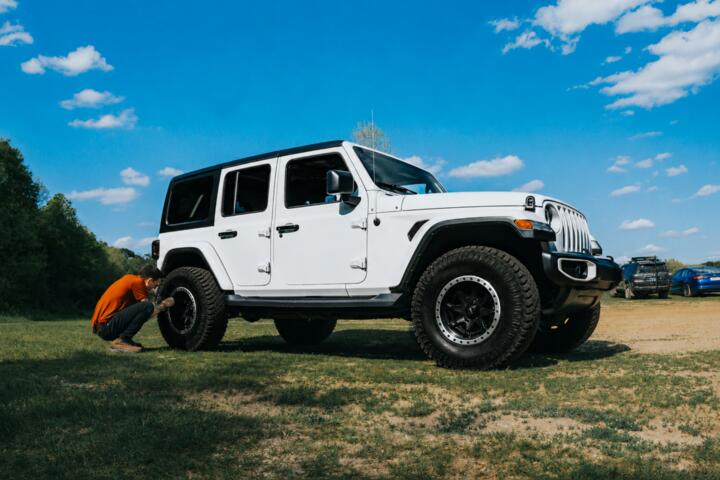
Ground clearance measures the vertical distance between a vehicle’s lowest point and the surface it travels over. This dimension dictates how well the vehicle navigates uneven terrain, curbs, and obstacles without undercarriage contact. For example, a Jeep Wrangler Rubicon offers a ground clearance of about 10.8 inches, which enables it to traverse rocky trails that would ground a standard sedan of roughly 5 inches.
This measure doesn’t just affect off-road performance but influences urban usability, especially where parking lot ramps and road debris exist. The key point: more clearance usually helps—but not always.
Many drivers overlook this in everyday decisions; the 2023 Consumer Reports shows a correlation between clearance above 8 inches and fewer undercarriage repairs in rough-road conditions.
Shadowing ground clearance, approach and departure angles also define capability but start with the basics: how far off the ground the chassis sits.
Clearance Misconceptions
Many assume simply raising a vehicle’s height grants unlimited cross-country ability. Incorrect. Excessive lift without suspension tuning often leads to instability or drivetrain strain. Ground clearance must work with suspension travel, tire size, and weight distribution.
Higher clearance can also negatively impact fuel economy and center of gravity. Pickup trucks with lifts beyond 6 inches may feel floaty on highways and suffer early tire wear.
Neglecting realistic use cases results in over- or under-investing. For instance, a landscaping business vehicle with 7-inch clearance struggles less on soil than a station wagon at 4 inches, but an 18-inch lift would be overkill and costly.
Real consequences appear in maintenance costs and safety—undercarriage damage, increased roll risks, and component wear escalate with improper clearance setups.
Steps to Optimize Clearance
Assess Your Terrain Needs
Match clearance to common driving environments. Urban drivers rarely require more than 6 inches, while off-road explorers benefit from 8–12 inches. Customize after trial: I started with 9 inches on my 2017 Tacoma and adjusted tires before lifts.
Upgrade Tires Strategically
Bigger tires add clearance without affecting suspension geometry drastically. Swap a stock 31-inch tire for 33-inch can grant 1–2 inches of lift. Brands like BFGoodrich and Goodyear offer durable all-terrain tires suited to mixed surfaces.
Use Suspension Lifts Thoughtfully
Lift kits increase clearance but can alter ride quality. Choose coil springs or spacers matched to your vehicle’s load. For example, FOX suspension kits provide 2–3 inches lift without compromising handling—as opposed to generic kits that often cause driveline vibrations.
Reinforce Undercarriage Protection
Skid plates shield vital parts, especially with higher clearance exposing more components. Add aftermarket aluminum or steel plates below the engine and transmission for durability, common in aftermarket catalogs like ARB or RCI.
Adjust Approach and Departure Angles
Clearance alone doesn’t solve climbing or descent issues. Modify bumpers or add winches carefully, so they don’t drag and reduce effective angles. Some off-roaders modify front bumpers to gain 5 degrees extra, which helps on steep trails.
Monitor Center of Gravity Changes
Increasing clearance raises center of gravity, impacting cornering and rollover risk. Counterbalance with wider track widths or heavier stabilizers if needed, a tactic often applied in rally or desert trucks like the Ford Raptor.
Test Drives in Varied Conditions
Practical testing on mud, rocks, and inclines provides real feedback. SUVs like the Land Rover Defender come with adjustable suspension clearance allowing drivers to switch between 8.7 and 11.5 inches depending on terrain. I recommend similar flexibility.
Consult Professional Installers
A poor lift or tire change risks damage or voids warranty. Professional installers can ensure alignment and calibration, which my experience with a local Off-Road Inc in 2020 highlighted—saves headaches down the road.
Budget for Maintenance Impact
Plan higher clearance’s effect on components like driveshaft joints and brake lines. Upgrades can increase wear; preventative maintenance schedules reduce unexpected costs.
Real-World Examples
Company A, a forestry service in Oregon, needed a truck balance between clearance and cargo. Their baseline pickup had 7 inches clearance, insufficient for rough back roads. They upgraded tires from 31 to 33 inches and installed a mild 2-inch lift, boosting clearance to 9 inches without sacrificing trip stability. Result: 30% fewer undercarriage issues over 18 months and improved travel time through rugged areas.
Meanwhile, a delivery fleet in Denver elevated clearance by 4 inches on some vans to avoid damage from city obstacles and speed bumps. The trade-off? Increased fuel consumption by about 12%. Management tracked this over 6 months before scaling back the lift kits to 2 inches on less frequently off-pavement routes.
Clearance Decision Checklist
| Aspect | Low (≤6") | Medium (6-9") | High (9"+) |
|---|---|---|---|
| Terrain | Urban roads, parking | Gravel, dirt roads | Rock trails, deep mud |
| Fuel Impact | Minimal | Moderate | Higher |
| Ride Quality | Smooth | Balanced | Stiffer, floaty |
| Cost | Low | Moderate | High |
| Risk | Undercarriage damage | Moderate | Rollover, wear |
Mistakes to Avoid
One common error: adding a lift without upgrading tires or adjusting alignment. This leads to premature wear and poor handling.
Ignoring stability changes after clearance modification is risky. Testing on safe ground with a spotter avoids surprises.
Failing to protect the undercarriage after lifts invites damage—skid plates and reinforced components pay off.
Overlooking the effect on warranty can be costly; many OEMs void coverage if unapproved lifts or tires cause failures.
FAQ
What is typical ground clearance for SUVs?
Most SUVs have 6 to 8 inches clearance. Off-road models start around 8.5 inches.
Can I increase clearance by changing tires only?
Yes, larger tires boost clearance slightly but may need suspension adjustments to avoid rubbing.
Does more clearance always mean better off-roading?
No. Too high raises center of gravity, reduces stability, and may require other mods.
How does ground clearance affect fuel economy?
Increased clearance often raises drag and tire size, reducing fuel efficiency by 5–15%.
What maintenance changes with higher clearance?
Expect more frequent suspension checks, brake line inspection, and tire rotation to handle extra strain.
Author's Insight
I have personally modified several 4x4s, balancing clearance, tire size, and suspension to meet real trail demands. For me, a smart lift around 2–3 inches paired with 33-inch tires offers the best mix of practicality and capability without trading stability. Skid plates became indispensable after the second rock scrape, and regular maintenance prevented common breakdowns I saw on forums.
Summary
Ground clearance affects more than just off-road ability. It influences handling, fuel use, maintenance, and safety. Assess terrain realistically, upgrade selectively with professional input, and test thoroughly to avoid hidden costs. Use a measured approach: a moderate increase coupled with undercarriage protection usually brings the best real-world performance.