EV Maintenance Basics
Electric vehicles operate on fundamentally different mechanics than gas-powered cars. For example, EVs rely on electric motors instead of internal combustion engines, which means fewer moving parts. The EPA estimates that, on average, EVs require 30% less maintenance than gas cars. Charging replaces fueling, but the battery's health becomes a key concern. Tesla’s Model 3, released in 2017, highlights how regenerative braking reduces wear on brakes, a detail that surprises many newcomers.
Battery management systems actively balance cell charge, a task absent in fuel vehicles. EVs come with less oil to change—none in the motor itself, though some parts still use lubricants. These practical differences reshape what owners must monitor and when to act.
Common Misunderstandings
Many owners assume electric vehicles never need mechanical attention, which leads to ignoring routine checks. Skipping tire rotations or neglecting coolant levels can degrade performance subtly. Unlike gas cars, EVs don’t have oil changes but have coolant loops for battery thermal management that need inspection every 50,000 miles or so, depending on manufacturer specs.
Ignoring these nuances doesn’t just void warranties, it reduces range and longevity. A common mistake is underestimating battery degradation caused by frequent fast charging or extreme temperatures, which manufacturers like Nissan warn about explicitly. Some users wait until warning lights appear, which is often too late.
Even software updates, which a Tesla owner might install over Wi-Fi, require regular attention. Updates might improve range estimates or alter charging curves.
Maintenance Steps That Matter
Battery Care
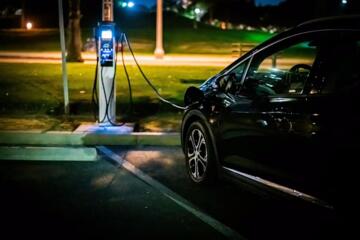
Monitor state-of-health reports via manufacturer apps or third-party tools like 'Leaf Spy Pro' for Nissan. Avoid regular use of DC fast chargers, which degrade cells faster than Level 2 chargers. Maintaining battery temperature between 20°C and 30°C maximizes chemistry stability. For instance, Chevrolet Volt specifies coolant replacement at 150,000 miles.
Brake System Checks
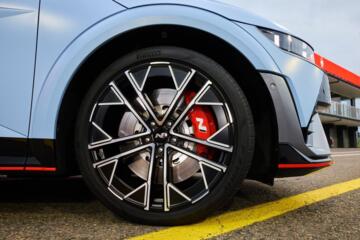
Regenerative braking in EVs extends brake pad life by 50-70% compared to gas cars but pads still need inspection every 20,000 miles. Caliper lubrication prevents seizure, especially in moist climates. Brake fluid should be replaced every 2 years to maintain responsiveness.
Software Updates
EV manufacturers roll out improvements remotely or at service centers. Tesla releases over-the-air updates 2-3 times yearly; ignoring these can cause missed enhancements or bug fixes. Owners should verify update status monthly or during regular charging cycles.
Cooling and Heating Fluids
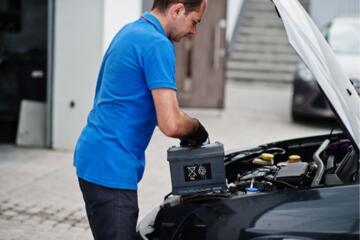
EV battery packs use a closed-loop coolant system. Examples include Audi e-tron’s maintenance interval at 80,000 miles. Routine checks prevent overheating that could reduce charge capacity. Use only coolant specified by the manufacturer to avoid chemical damage to pumps and seals.
Tire and Suspension Care
EVs weigh roughly 20-40% more than comparable gas cars due to battery packs, accelerating tire wear. Rotate tires every 6,000 to 8,000 miles, more often than many gas car schedules suggest. Suspension components bear more load and should be inspected annually, with replacement cycles about 50% shorter for shocks.
Charging Equipment Maintenance
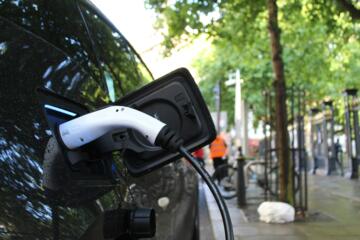
Check home chargers for frayed cables or loose connections quarterly. Public chargers vary widely in quality; inspections of the port and cable cleanliness improve contact reliability. EV owners often underestimate maintenance of plugs, which, left dirty or damaged, cause charging failures or faults.
Cabin Air Filters
Similar to traditional cars, cabin filters clean incoming air. Tesla recommends changes every 2 years or 25,000 miles, but pollutants in urban zones justify earlier replacement. Some models include HEPA filters requiring periodic replacement to maintain air quality.
Real-World Examples
A delivery firm switched 50 trucks from gas engines to EVs in 2021. After two years, they cut maintenance hours by 40% and spent 35% less on parts. The main adjustment was managing battery temp and training drivers on optimal charging habits. They noted brake replacements dropped from every 30,000 miles to nearly 70,000 miles thanks to regen braking.
Conversely, a rural taxi fleet using a 2015 Nissan Leaf experienced unexpected battery capacity loss after heavy use of DC fast chargers. Switching to Level 2 charging and adding thermal management monitoring reduced further degradation by half in the next 18 months.
Care Differences at a Glance
| Service | Electric Vehicle | Gas Car | Interval (miles) |
|---|---|---|---|
| Oil Changes | None | Every 5,000-7,000 | N/A / 5k-7k |
| Brake Pads | Inspect 20k; change ~50k-70k | Inspect 10k; change ~30k-50k | Varies |
| Battery / Fuel System | Battery health monitored, coolant replace 80k-150k | Fuel filters, injectors service every 30k-60k | Varies |
| Tire Rotation | 6k-8k recommended | 7k-10k typical | 6k-10k |
| Software Updates | Regular, via Wi-Fi or dealer | Rare or none | Monthly / N/A |
Typical Errors to Skip
Failing to check coolant levels, which can silently disable battery cooling systems, is surprisingly common. Many owners assume tire wear patterns remain identical, ignoring the additional weight EVs carry. Another oversight is delaying software updates, missing out on performance fixes that manufacturers push precisely to address such issues.
Ignoring minor noise or vibration changes due to suspension wear impacts handling sooner in an EV. Also, cleaning charging ports and connectors infrequently can cause reduced efficiency or error codes— oddly, this is often neglected.
FAQ
How often do EVs need brake service?
Brake pads last roughly twice as long on EVs because of regenerative braking; inspections every 20,000 miles help catch wear early.
Do electric cars require oil changes?
Electric motors need no oil changes, but some cooling system fluids require replacement according to manufacturer schedules.
What damages EV batteries faster?
Frequent DC fast charging and exposure to extreme temperatures degrade batteries faster; moderate charging and climate control preserve longevity.
Are software updates necessary for EVs?
Yes, software updates fix bugs, improve range estimates, and enhance charging efficiency, often provided over the air.
Should I use public fast chargers often?
Occasional use is fine, but daily reliance on fast charging can accelerate battery wear and capacity loss.
Author's Insight
From my experience working with various EV brands, I’ve seen firsthand how neglecting coolant maintenance leads to costly battery issues later. Owners often underestimate the value of regular software updates; they fix quirks that service manuals don’t highlight well. Tire care gets overlooked too, despite the extra EV weight. The balance between convenience and proper upkeep defines ownership satisfaction more than expected.
Final Thoughts
EV maintenance requires a shift from oil and engine tune-ups to battery health, software, and cooling system care. Regular brake inspections and tire rotations remain vital but on different intervals. Avoid assuming fewer parts need attention; the parts needing care have changed and demand their own schedule. Watch battery temperature, limit fast charging, and stay current on updates for lasting performance.