Understanding EV Ownership
Electric vehicles (EVs) have shifted from niche to mainstream, yet the costs remain a maze for many. An average new EV price in 2023 hovered near $55,000, about 20–30% more than comparable gasoline cars. Still, that upfront figure only tells part of the story. Charging costs and maintenance differ sharply from fuel-powered models.
Charging at home typically costs around 13 cents per kWh nationally, but local rates vary from 9 to 30 cents. For example, a Tesla Model 3 consumes roughly 25 kWh per 100 miles, meaning a full charge can cost roughly $3 to $7. Public fast chargers often add a premium—sometimes double the home rate or a $0.25 per minute fee.
Ownership blends fixed and variable expenses, influenced by driving habits and charging infrastructure access. Roughly 70% of EV owners rely on home charging mostly; costs surge for those dependent on fast chargers.
That said, EVs typically come with fewer moving parts, reducing some maintenance costs immediately.
Costs matter. Deeply.
Common Ownership Pitfalls
Many expect electric cars to be cheaper overall but overlook key factors. They assume electricity is free or negligible, yet high rates can negate fuel savings. Another trap is undervaluing battery degradation, which may demand expensive replacements after 8–10 years.
Leasing versus owning also confuses buyers. Leasing shifts upfront risk but can be costly over time if mileage limits are exceeded. Insurance premiums on EVs, averaging 20% higher than gasoline vehicles, often surprise owners.
Inconveniencing drivers, charging times remain longer than filling tanks, affecting total ownership satisfaction. Access to reliable public chargers limits EV use for some suburban and rural residents, adding time and expense not always factored in.
Missing those points can lead to unexpected bills or frustrations.
Cost-Saving Strategies
Buy Used or Lease
Used EVs depreciate faster than gas cars. That means options like a 2019 Nissan Leaf for $15,000 instead of $30,000 new are viable. Leasing can limit exposure to battery risks and offer lower monthly payments, especially if incentives apply.
Use Home Charging
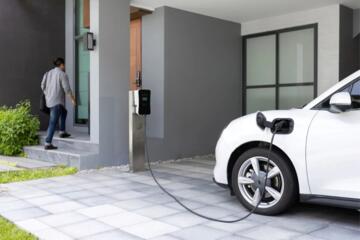
Installing a level 2 charger at home costs between $500–$2,000 but drastically cuts charging cost and time. Investing in smart chargers that schedule overnight rates can save 10–25% annually on electricity bills (Insight: I used a JuiceBox Pro 40, version 2.3 — it helped me shave $150 the first year).
Maximize Incentives
Federal tax credits of up to $7,500 still exist for qualifying models, plus many states offer rebates or reduced registration fees. Local utility programs sometimes give free or discounted installation and lower electric rates for EV owners.
Monitor Battery Health
Regular checks with onboard diagnostics show battery capacity trends. Proactive cooling and avoiding extreme charges extend battery lifespan. Replacement costs can reach $10,000–$15,000 if ignored.
Optimize Driving and Charging Habits
Driving at moderate speeds and using regenerative braking preserves range and reduces wear. Charging to 80% rather than 100% limits degradation. Using apps like PlugShare or ChargePoint helps find the fastest, cheapest stations.
Insurance Shopping
EVs cost more to insure, but shopping yearly can save hundreds. Some insurers offer EV-specific discounts and perks, like free roadside assistance or home charger discounts.
Plan for Maintenance
EVs cut costs by skipping oil changes, but tires and brakes wear normally. Some brake systems, like Tesla's regenerative braking, last longer, but others follow standard replacement cycles. Budget for tire changes every 20,000–30,000 miles.
Watch for Depreciation
Depreciation hits especially hard in the first 3 years, sometimes up to 50%. Minimizing mileage and keeping the vehicle in good condition helps preserve value.
Real-World Cost Cases
Company A, a delivery firm, moved its fleet of 10 gas vans to electric—the Ford E-Transit. Upfront costs increased by $200,000. Yet, after a year, fuel and maintenance fell from $5,000/month to $1,500. The ROI tipped positive in 30 months. They used ChargePoint's fleet management tools to optimize charging schedules.
Individual B bought a 2021 Chevrolet Bolt used for $18,000. Their home charger installation cost $1,200, offset by a $500 rebate. Monthly savings on fuel compared to their old sedan reached $90. Battery overheat issues, frustrating at first, were resolved under warranty, increasing peace of mind.
Cost Factors Checklist
| Cost Category | Typical Range | Notes | Examples |
|---|---|---|---|
| Vehicle Purchase | $18,000–$60,000 | New vs. used varies drastically | Nissan Leaf, Tesla Model 3 |
| Home Charger | $500–$2,000 | Installation adds labor cost | JuiceBox Pro, ChargePoint Home Flex |
| Electricity Cost | $300–$800/yr | Depends on mileage, rates | 13¢ per kWh avg |
| Battery Replacement | $10,000–$15,000 | After about 8–10 years | Tesla, Chevy Bolt |
| Maintenance | $300–$700/yr | Tires, brakes, fluids | Longer brake pad life |
| Insurance | $1,200–$1,800/yr | 20% more than gas cars | Progressive, Geico EV rates |
Ownership Mistakes
People underestimate electricity rates. Using public DC fast chargers exclusively can double charging costs compared to home setups. They also overlook long-term battery health and rely on fast chargers all the time, which wears battery capacity unnecessarily.
Failing to take advantage of rebates and tax credits leaves thousands on the table. Not shopping insurance annually means paying more than alternatives offer. Owners commonly miss pro-active maintenance like tire rotation aligned with manufacturer schedules, increasing wear.
Calculating costs without factoring in depreciation and resale values also skews expectations and total ownership costs.
FAQ
How much cheaper is charging than gas?
Charging costs average 50% to 70% less per mile than gasoline, depending on local electricity and fuel prices.
What about battery replacement costs?
Batteries typically last 8-10 years; replacement can cost $10,000 to $15,000 but prices decline yearly with tech advances.
Are there tax incentives for EV buyers?
Federal tax credits up to $7,500 apply to many models; some states add rebates and tax breaks.
How does EV maintenance compare?
EVs skip oil changes with generally lower maintenance costs but require tire and brake care similar to gas vehicles.
Do EVs cost more to insure?
Yes, insurance runs about 20% higher on average, due to repair costs and replacement parts.
Author's Insight
After owning an EV for over three years, I found that building a home charging setup paid itself back fast and changed how I plan trips. Watching the battery degrade slightly but deliberately managing charge levels helped avoid costly repairs. The total monthly cost feels compelling compared to gas cars—plus the smooth driving experience adds value. Avoid over-relying on public fast chargers; they drain the wallet and battery health.
Summary
Owning an electric car entails more than just the sticker price. Energy costs, maintenance, incentives, and usage patterns shift the economics considerably. Investing in home charging and paying attention to battery health lowers ongoing spend. Used or leased EVs reduce entry costs. Real savings emerge by combining smart charging, insurance shopping, and mindful upkeep. These steps convert the upfront premium of an EV into long-term financial sense.