Door Design Affects Daily Use
Door type changes how often you fight clearance, step over thresholds, and manage weather. Sliding doors move along the body, while hinged doors swing outward on hinges. That motion matters in garages, narrow streets, and parking lots where a door swing can hit a pillar.
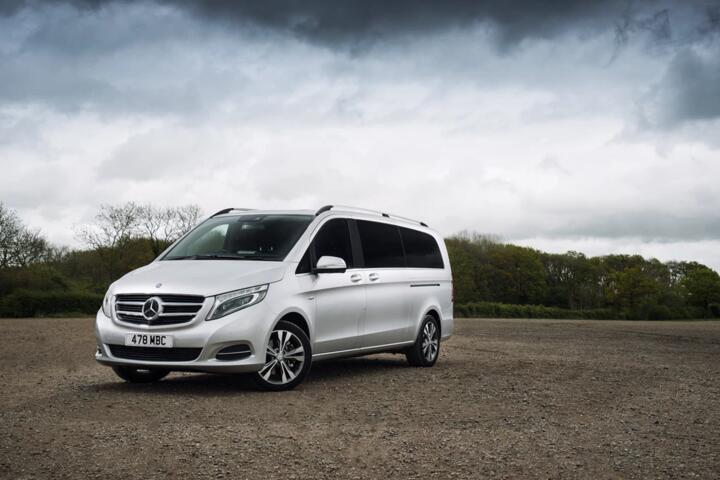
In many minivans and vans, sliding doors are common because they help with second-row access. A typical hinged rear door needs roughly 70–90 degrees of swing clearance, which is hard to find in tight spaces. Sliding doors trade that swing space for track space along the side.
Door design also affects service work. Hinges and latches are simpler, but sliding doors add tracks, rollers, and a cable or motor system on power versions. In the U.S., the Insurance Institute for Highway Safety (IIHS) reports that side-impact protection is a major focus in crash testing, and door structure plays into that overall design.
Vehicle type matters more than many buyers realize. A family minivan used for school drop-offs behaves differently than a pickup used for job sites. A van with a sliding side door is also a different loading problem than a sedan trunk-and-rear-seat layout.
Common Mistakes and their Cost
People often assume sliding doors are always easier, then discover the trade-offs after the first winter. The track collects road grime, salt, and ice. If the door is used daily, the rollers and seals see constant exposure.
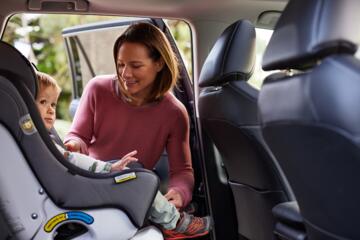
Another mistake is ignoring how the door opening changes child-seat installation. A hinged rear door can open wide, giving more direct access to the seat belt path. Sliding doors open along the side, which can make it harder to reach the latch area when the seat is rear-facing.
Consequences show up in two places: time and money. A stuck sliding door can turn a 3-minute routine into a 20-minute delay while you clear ice or troubleshoot the latch. Repair bills can also be higher because track components and power mechanisms are more complex.
Real-world situations are predictable. In a garage with a low ceiling, a hinged door may hit the garage frame when fully opened. In a parking lot with a tight neighbor, a hinged door can scrape paint or fail to open far enough to load groceries. Sliding doors reduce that swing risk, but they still need room for the door to travel.
What to Do When Choosing
Check clearance at home
Measure the space where you park, not just the space where you wish you parked. If your driveway is narrow, a hinged door’s swing arc can be the limiting factor. Sliding doors need side clearance along the body, plus room behind the door to travel fully.
Use a tape measure and mark the door opening path. For a hinged rear door, plan for a swing of about 70–90 degrees. For a sliding door, confirm you have enough side space to clear the door when it moves, especially if you park close to a curb.
In practice, I’ve seen shoppers solve this with a simple chalk line on the garage floor, then test opening both doors with the car stationary. It’s a small step, but it catches surprises like a wall-mounted bike rack.
Test child-seat access
Try installing a child seat in the exact position you plan to use. Rear-facing seats often require more hand access to the belt path and tether points. Hinged doors usually give a wider “reach window,” while sliding doors can restrict arm angle.
Bring the seat you own, or at least the same model type. If you use LATCH/ISOFIX, check whether the lower anchors are easy to see with the door open. Also check whether the door opening height forces you to lift the child over a higher threshold.
On some minivans, the second-row floor and seat base sit higher than a sedan, which changes how you handle toddlers. That height difference matters more than the door type when you’re doing repeated buckle-ups.
Inspect track and seals
For sliding doors, inspect the track area and the condition of the rollers. Look for dried salt residue, bent track edges, and uneven roller wear. If the door hesitates or makes grinding noises, the issue may be mechanical rather than electrical.
During a test drive, open and close the door several times at low speed and listen. A smooth motion is quiet and consistent; a rough motion often shows up as a jerky start or a delayed latch. If the vehicle has power sliding doors, test the manual override too.
In my notes from shop inspections, a common pattern is neglected track cleaning on used vans. Owners who wash the body but skip the track area often see faster wear on rollers and guide components.
Compare hinge wear patterns
Hinged doors rely on hinges, door check straps, and latch mechanisms. Wear tends to show up as looseness, squeaks, or misalignment that causes uneven gaps. Those issues are usually easier to diagnose because the moving parts are visible.
When you test, open the door and feel for play at the outer edge. Check that the door closes with consistent effort and that the latch engages without a second push. Misalignment can also affect weather sealing, which leads to wind noise and water leaks.
For vehicles like the Honda Odyssey or Toyota Sienna, hinged rear doors are less common than sliding doors, but some trims and competitors use hinged layouts. The point is the same: hinge systems are simpler, but they still need correct alignment.
Budget for repairs and parts
Sliding doors can cost more when something breaks because the system includes tracks, rollers, and sometimes a motor and control module. Hinged doors can still be expensive after crashes, but routine wear is often limited to hinges, strikers, and weather seals.
Ask for a maintenance history on used vehicles. Track cleaning is not a line item in most records, so you may need to judge by condition. If you see heavy corrosion in the track or missing trim pieces, plan for earlier-than-expected service.
Warranty coverage matters. Many manufacturers cover powertrain for longer periods, but door mechanisms may fall under bumper-to-bumper terms that expire sooner. If you’re shopping a used minivan, confirm the remaining warranty and what it covers for door systems.
Account for winter behavior
Cold weather changes sliding-door reliability. Ice can freeze the seal to the body or load the track with compacted snow. Hinged doors also freeze, but the hinge area is less likely to trap debris in a long channel.
Test the door after a cold soak if possible, or at least simulate it by checking how the seals look. Look for dried ice marks on the track and for torn rubber seals. If the door requires repeated attempts to latch, treat that as a warning sign.
In regions with heavy salt, track maintenance becomes a routine. A quick rinse of the track area during washes can reduce corrosion, though it won’t fix a worn roller.
Evaluate noise and sealing
Door sealing affects cabin noise. A misaligned hinged door can create a whistle at highway speeds, while a sliding door with worn rollers can shift its alignment over time. Either issue shows up as wind noise near the B-pillar or along the side window.
Drive at 40–65 mph and listen with the windows up. If the noise changes when you press the door near the latch, the seal or latch alignment is likely off. That’s a bargaining point for used vehicles.
Also check the door’s fit around the side glass. A sliding door that sits slightly low can stress the weather strip and lead to water intrusion during car washes.
Consider power vs manual
Power sliding doors add motors, sensors, and wiring. Manual sliding doors reduce that complexity, but they still use tracks and rollers. If you want the simplest ownership path, manual often means fewer electrical failure points.
On power systems, test the speed and stopping behavior. A door that stops short or reverses unexpectedly may have sensor calibration issues. Those can be fixable, but they can also take time at a dealer.
For example, some minivans offer power sliding doors with a foot-activated feature. That feature depends on sensors and software, and it can be finicky when dirt covers the sensor area.
Mini Case: Fleet van Loading
A small service company ran a fleet of vans for field work. The problem was loading tools and passengers in tight parking near job sites, where hinged rear doors repeatedly hit curbs and walls. They switched from hinged rear doors to sliding side doors on a new batch of vans.
After the change, loading time dropped by an estimated 10–15% per stop because the side door opened without needing swing clearance. Over a month of roughly 20 daily stops, that translated into about 2–3 hours saved per vehicle. The company also reported fewer door-edge paint repairs, though they still replaced damaged side mirrors after impacts.
Maintenance shifted instead of disappearing. Track cleaning became part of the wash routine, and they budgeted for roller wear at higher mileage. On one unit, a sliding door began to hesitate around 60,000 miles, and the repair involved track and roller components rather than a simple latch adjustment.
Mini Case: Family Vehicle
A family with two kids compared a minivan with power sliding doors to one with hinged rear doors. Their main issue was school drop-offs in a crowded curb lane, where a hinged door swing risked scraping the neighboring car. They chose sliding doors for the easier side access.
In the first winter, they noticed the sliding door needed extra attention after snowfalls. The seal area collected slush, and the door occasionally required a second try to latch. After they added a routine track rinse during washes, the hesitation became less frequent.
They also found a child-seat fit difference. With a rear-facing seat, the hinged door gave better arm access for tightening the belt and checking the tether. The sliding door still worked, but the installation took longer the first time, then stayed stable once set.
Resale value wasn’t dramatically different between the two vehicles in their local market. The bigger factor was condition: the van with cleaner track components and intact weather seals looked better and sold faster.
Sliding vs Hinged Checklist
| Check | Sliding door | Hinged door | Why it matters |
|---|---|---|---|
| Parking clearance | Side travel space | Swing arc clearance | Avoid door hits and limited opening |
| Child-seat access | Reach may be tighter | Wider opening window | Faster, safer installation checks |
| Track condition | Look for corrosion and wear | Check hinges and gaps | Prevents sticking and wind noise |
| Cold-weather behavior | Seal/track ice risk | Hinge seal ice risk | Reduces “second try” latching |
| Noise at speed | Listen for side wind | Listen for whistle near latch | Signals seal alignment issues |
| Warranty scope | Confirm door mechanism coverage | Confirm latch/hinge coverage | Avoid surprises after bumper-to-bumper ends |
Common Mistakes and Fixes
Skip the track inspection. It hides wear until it becomes a stuck door. Check the track area for corrosion and listen for roller grinding.
Ignore door alignment at highway speed. Wind noise often starts as a small seal gap. Drive 40–65 mph and watch for noise that changes when you press the door near the latch.
Assume power doors are always better. They add sensors and motors, and dirt can trigger odd behavior. Test the manual release and check whether the door stops smoothly every time.
Overlook warranty terms. Door mechanisms may fall under shorter coverage than the powertrain. Ask the dealer to list what’s covered for the sliding system or hinge system.
Forget child-seat fit. A rear-facing seat can be harder to tighten with a sliding door open. Install the seat in the vehicle before purchase, even if it takes 20–30 minutes.
Underestimate winter use. Sliding doors can freeze in the track, which leads to repeated latch attempts. Plan a track rinse routine and keep an eye on seal condition.
FAQ
Do sliding doors cost more to repair?
Often, yes. Sliding doors add tracks, rollers, and sometimes a motor and control module on power versions. Hinged doors also have latches and weather seals, but the moving parts are simpler and more visible. Repair costs depend on the failure mode: a worn roller or damaged track can be labor-intensive, while a hinge replacement is usually more straightforward. For used vehicles, check for hesitation, grinding, or delayed latching, and confirm remaining warranty coverage for the door mechanism.
Are hinged doors safer in crashes?
Crash safety depends on the vehicle’s structure and crash-test results, not only door type. Door design affects side-impact intrusion paths and how the door latches hold under load. Many vehicles with sliding doors still earn strong safety ratings because the body structure is engineered as a system. When comparing two specific models, compare their side-impact ratings and structural performance from credible test programs. Also inspect used vehicles for prior side damage, because repaired door frames can affect latch alignment.
Which door type works better for child seats?
Hinged doors often make rear-facing seat installation easier because the opening angle gives more direct access to the belt path and tether points. Sliding doors can still work well, but the reach angle can be awkward, especially when you’re tightening a tether or checking the install tightness. The best approach is to install your exact seat in the vehicle you’re buying. If you use ISOFIX/LATCH, verify anchor locations are visible with the door open and that you can route the belt without twisting.
Do sliding doors freeze more in winter?
They can. Sliding doors have a track that collects snow, salt, and slush, and ice can bind rollers or freeze the seal to the body. Hinged doors can freeze too, but the hinge area is less likely to trap debris in a long channel. If you live where temperatures drop below freezing for weeks, test the door after a cold soak if possible. Look for torn rubber seals and heavy corrosion in the track, and plan a track rinse during washes.
Can I tow and carry the same with either door?
Towing capacity and payload limits are determined by the vehicle’s chassis, brakes, cooling system, and axle ratings, not by door type. A sliding door does not change the legal tow rating. What changes is packaging: a van or minivan with sliding doors may have different cargo floor access, and the door opening can affect how you load bulky items. If you tow, confirm the exact tow rating for the trim and drivetrain you’re buying, then check that the cargo configuration doesn’t interfere with hitch access.
Author's Insight
Door type is a mechanical trade: sliding doors reduce swing-clearance problems but add track wear points. Hinged doors keep the moving parts simpler, yet they demand more space to open and can scrape in tight parking. In service work, the most common sliding-door complaints tend to involve rollers, track debris, and latch alignment rather than “mystery” electrical failures. If you’re shopping a used minivan or van, spend time opening and closing the door repeatedly, then check the track area for corrosion and the seals for damage.
For a practical test, I’d bring a phone with a stopwatch and record how long the door takes to fully close and latch. A consistent cycle time is a better sign than a vague “it feels fine.”
Key Takeaways
Choose sliding doors when tight parking and frequent side access matter more than track maintenance. Choose hinged doors when you want simpler mechanics and easier rear-seat access for child seats. Skip the purchase if the sliding door hesitates, grinds, or shows heavy track corrosion, because those issues usually lead to repeat visits.
Next steps: measure your driveway clearance, install your child seat (or at least test the belt/tether reach), and drive at 40–65 mph to listen for wind noise. If the vehicle is under warranty, read the door-mechanism coverage terms before relying on it. If you notice repeated door failures or water intrusion, have a qualified technician inspect the latch alignment, seals, and track components before the problem spreads.