Fuel Economy Shifts by Size
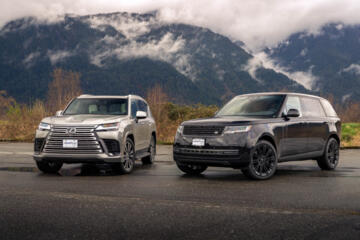
Fuel economy drops as SUV size increases, even when the badge and infotainment stay familiar. The main drivers are curb weight, frontal area, and drivetrain gearing, not marketing trim names.
EPA testing uses standardized cycles, so numbers like 25 mpg combined for some compact SUVs and 20 mpg combined for many midsize models are starting points, not guarantees. Real-world results often diverge because highway speed, tire pressure, and traffic patterns change the average load on the engine.
In the U.S., the EPA estimates fuel economy in miles per gallon (mpg) for gasoline and miles per gallon equivalent (MPGe) for electric models. Those ratings come from controlled procedures, then get published as city, highway, and combined figures.
Skip the assumption that “bigger SUV” always means “worse by the same amount.” A 2,000 lb difference can matter more than a 50 hp difference, especially on highway grades.
For example, a compact SUV with a 2.0L turbo might land around the mid-20s mpg combined, while a midsize SUV with a 3.5L V6 often sits closer to the high-teens or low-20s combined. The exact spread varies by transmission, drivetrain (FWD vs AWD), and tire size.
Fuel economy also changes with wheel and tire choices. A move from 18-inch to 20-inch wheels can increase rolling resistance, and that can show up as a few mpg in mixed driving.
Why Buyers Get MPG Wrong
People often compare SUVs using only combined mpg, then ignore how each model behaves at 65–75 mph. Highway cruising is where aerodynamics and gearing dominate, and that’s where many families spend most of their time.
Another common mistake is treating AWD as a small footnote. AWD adds weight and drivetrain losses, and it can reduce mpg by a few mpg compared with the same engine in FWD form.
Skip the “one tank test” conclusion. A single tank can be skewed by cold starts, short trips, or a long mountain run, and the odometer doesn’t tell you which factor won.
Consequences show up in monthly budgets. If a compact SUV averages 26 mpg and a midsize averages 20 mpg, the 30% drop can translate to roughly $60–$120 more per 1,000 miles depending on fuel price.
Winter use makes the gap wider. Cold engines need enrichment, cabin heat draws energy, and tire pressure drops, all of which can reduce mpg for both gasoline and hybrid SUVs.
Towing is where posted mpg stops being relevant. A midsize SUV rated for 5,000 lb towing can still see dramatic mpg drops when pulling a trailer at highway speeds, because the engine works against aerodynamic drag and rolling resistance.
How to Compare SUVs
Start with combined mpg
Use the combined mpg rating as a baseline, then check the highway mpg number. Combined mixes city and highway, but highway mpg is the better proxy for commuting and road trips.
Look for the same drivetrain type. A compact SUV with AWD and a midsize SUV with FWD can look closer on paper than they will in your driveway.
In practice, compare two vehicles with similar tire sizes and wheel diameters. A 20-inch tire package often costs a few mpg, and it rarely shows up in the brochure the way buyers expect.
For a quick reality check, compare EPA highway mpg to your typical route speed. If your commute averages 75 mph, expect lower mpg than a model that posts strong highway numbers at lower average speeds.
Weight and aerodynamics win
Compare curb weight and frontal area when the specs are available. Heavier SUVs need more energy per mile, and larger frontal area increases aerodynamic drag at speed.
Skip the horsepower-only comparison. A 300 hp SUV can still be efficient if it uses a small displacement engine at low load, but weight and drag set the ceiling.
In practice, a midsize SUV with a 3.5L V6 and a compact SUV with a 2.0L turbo can land in different mpg bands because the V6 often carries more mass and higher accessory loads.
Use a spreadsheet. I keep a simple sheet with curb weight, highway mpg, and my expected annual miles; it makes the tradeoffs visible before the test drive.
Check engine and gearing
Engine size matters, but the transmission strategy matters more. A 2.0L turbo with a 9-speed automatic can keep the engine in a lower rpm band, while a larger engine with different shift logic may spend more time at higher load.
Look for how the model is rated with AWD. Many manufacturers list different mpg for FWD and AWD, and that difference often reflects drivetrain losses.
In practice, a 2.5L four-cylinder hybrid can outperform a 3.0L non-hybrid in stop-and-go driving, but the advantage can shrink on long highway runs.
If you’re shopping hybrids, check whether the battery is sized for sustained assist. Some systems help most in city cycles, then rely on the engine more on steady highway grades.
Use tire and pressure data
Tires are a quiet MPG lever. Rolling resistance depends on tire compound, width, and tread design, and the factory tire size often sets the baseline.
Skip the “same wheel size” assumption. Two tires with the same 20-inch diameter can have different rolling resistance ratings, and that can shift mpg over time.
In practice, keep tire pressure at the door-jamb spec. A drop of a few psi can increase rolling resistance and reduce fuel economy, especially on highway trips.
Tools help here. A tire gauge from Harbor Freight or a digital gauge from any major auto parts store is enough to catch slow leaks before they cost mpg.
Model your driving mix
Fuel economy depends on how much time you spend at low speed versus highway. Short trips reduce mpg because the engine and catalytic converter never reach full operating temperature.
Use your last 30 days of route data if you have it. If you drive 60% highway at 70 mph, the highway mpg rating should weigh more than city mpg.
In practice, a family doing 10-mile errands with frequent cold starts can see a bigger gap than the same family doing 10-mile errands after a longer warm-up.
For a simple estimate, take your combined mpg rating and apply a correction based on your speed. If you average 75 mph, many drivers see a noticeable drop from combined numbers.
Account for towing and payload
Check towing capacity and the vehicle’s payload limit. Towing increases aerodynamic drag and rolling resistance, and payload affects how hard the engine works at the same speed.
Skip the “towing rating equals towing efficiency” idea. A vehicle can tow 5,000 lb and still burn far more fuel than its unladen mpg suggests.
In practice, towing at 65 mph often costs less than towing at 75 mph, because drag rises quickly with speed. That’s why highway mpg ratings matter when you plan to pull a boat or camper.
Before buying, confirm the hitch type and wiring. A factory tow package can include cooling upgrades, and that can matter for sustained climbs.
Plan for maintenance costs
Fuel economy comparisons should include maintenance intervals and wear items. Larger SUVs often run bigger brakes and wider tires, which can raise replacement costs.
Look at scheduled maintenance for spark plugs, air filters, and transmission service. A 3.5L V6 may have different service intervals than a 2.0L turbo, and the labor time can differ.
In practice, AWD systems add components like transfer cases and differentials that can require service. The frequency depends on the manufacturer’s schedule, not on how often you “feel” the car working.
For ownership math, use your expected annual miles. If you drive 15,000 miles and fuel economy drops by 6 mpg, the fuel cost difference can outweigh a small maintenance variation.
Don’t ignore resale and insurance
Resale value and insurance costs can change with size and powertrain. A heavier SUV with higher repair costs can carry higher premiums, even if the fuel economy is similar.
Skip the “same class means same cost” assumption. Insurance pricing often depends on theft rates, crash repair costs, and local claim history.
In practice, a midsize SUV with a 3.5L V6 and larger wheels can cost more to insure than a compact SUV with a smaller engine, even when both are “family” models.
Check insurer quotes before locking in the trim. A 10–20% premium difference can erase a few mpg of savings quickly.
Mini Case Studies
A small logistics company ran a fleet comparison between a compact SUV and a midsize SUV for mixed deliveries. The compact averaged 24 mpg combined over 18,000 miles, while the midsize averaged 19 mpg combined over the same route mix, including winter starts. At $3.50/gal, the midsize burned about 257 extra gallons, or roughly $900 more per year. They also saw higher tire wear on the midsize due to heavier curb weight and more frequent loaded stops.
Skip the “same driver, same route” comfort. Drivers change throttle habits, and route traffic changes average speed, so they tracked fuel at the pump and used consistent fill-to-fill methods.
A second case involved a family towing a small utility trailer. They used a midsize SUV with a 3.5L V6 and a towing package, then compared it to a compact SUV on the same weekend trips. The midsize averaged about 12 mpg while towing at highway speeds, while the compact averaged about 14 mpg under similar conditions. Fuel cost difference was smaller than expected because the midsize carried more gear per trip, reducing the number of trips by roughly 1–2 per month.
They also learned that tire pressure checks before departure mattered. A few psi low on the trailer tires and the SUV tires showed up as worse mpg on the return leg.
Size vs MPG Checklist
| SUV size | Typical engine choices | What to compare | Fuel-cost risk |
|---|---|---|---|
| Compact | 2.0L turbo 4-cyl, 2.5L hybrid 4-cyl | Highway mpg, AWD vs FWD, tire size | Cold starts and short trips |
| Midsize | 2.5L turbo 4-cyl, 3.5L V6 | Combined vs highway gap, transmission type | Higher mass and towing use |
| Full-size | 3.5L V6, 6.2L V8 (varies) | Realistic highway mpg, brake and tire costs | Speed and load sensitivity |
Use this checklist before you compare trims. It keeps the conversation on measurable differences.
Common Mistakes and Fixes
Comparing only combined mpg
Why it happens: combined mpg averages city and highway, then hides how the engine behaves at steady speed. Impact: you buy a vehicle that feels fine in town but costs more on the highway. Avoid it: compare highway mpg and note your typical speed. If your commute averages 70 mph, weight highway numbers more than city numbers.
Skip the “it’s close enough” logic. A 3–4 mpg gap at highway speeds can add up fast over 12,000–15,000 miles.
Ignoring AWD mpg differences
Why it happens: buyers focus on traction and winter confidence, then treat drivetrain losses as minor. Impact: the AWD version can be several mpg lower, and the gap grows in cold weather. Avoid it: compare the exact drivetrain configuration, not the engine alone. If you need AWD, price in the mpg drop and check tire size too.
In my notes from a dealer lot audit on 2024 model-year SUVs, AWD trims often carried the same engine but different mpg labels. That difference wasn’t marketing; it was drivetrain math.
Overlooking tire and wheel packages
Why it happens: wheel upgrades look like a style choice, not a fuel-economy choice. Impact: rolling resistance increases, and the vehicle can lose mpg after the first tire replacement. Avoid it: match the tire size and tread type to the factory spec when possible. If you plan to change tires, check rolling resistance ratings where available.
Also check spare tire type. A full-size spare can add weight, and a compact spare can change handling and tire wear patterns.
Assuming towing won’t change mpg
Why it happens: towing capacity is listed as a maximum, so buyers expect similar mpg to unladen driving. Impact: fuel economy can drop sharply at highway speeds, and the engine may run at higher rpm. Avoid it: estimate mpg under load using your planned speeds and trailer weight. If you tow often, prioritize cooling and transmission behavior, not just peak towing numbers.
Keep a log for 2–3 trips. You’ll learn your real mpg range faster than guessing from a single outing.
Buying for MPG, then paying more elsewhere
Why it happens: fuel economy is easy to compare, while insurance and repair costs are harder to estimate. Impact: a slightly better mpg model can cost more per year in premiums or tires. Avoid it: get insurance quotes for the exact trim and wheel package. Check brake and tire replacement costs based on the tire size and rotor size.
Resale value also matters. Heavier SUVs can depreciate faster when repair costs are high, even if they sell well initially.
FAQ
How much worse is mpg in an AWD SUV?
AWD can reduce fuel economy by a few mpg compared with the same engine in FWD form, but the size of the drop varies by model year, transmission, and tire package. The most reliable way to estimate it is to compare the EPA highway and combined ratings for the exact drivetrain configurations you’re considering. Winter use can widen the gap because the system may engage more often and tires run colder. If you drive mostly flat roads and rarely need AWD, the FWD version often wins on fuel cost.
Do hybrids beat gas SUVs on highways?
Hybrid SUVs often do well in stop-and-go driving because the system can recover energy and keep the engine in efficient zones. On highways, the advantage can shrink because the vehicle relies more on the engine for sustained speed and aerodynamic drag. Compare the EPA highway mpg for the hybrid and the non-hybrid with the same size and drivetrain. If your trips are 60–80 miles at 70–75 mph, the highway numbers matter more than city ratings. Battery capacity and how the system manages charge during long climbs also affect real results.
How does towing change fuel economy?
Towing increases fuel use because it adds rolling resistance from the trailer tires and aerodynamic drag from the trailer shape. The biggest swing usually comes from speed: towing at 75 mph typically costs more than towing at 65 mph. Also consider trailer weight relative to the SUV’s payload and the engine’s ability to maintain speed on grades. If a vehicle is rated to tow 5,000 lb, that rating doesn’t mean it will match its unladen mpg. For planning, estimate a wide range and track your first few trips with consistent fill-to-fill measurements.
What tire size hurts mpg the most?
Larger wheels often correlate with wider tires and different tread compounds, which can raise rolling resistance. The effect depends on the specific tire model and pressure maintenance, not just the wheel diameter. If you’re comparing SUVs, check the factory tire size and whether the mpg rating assumes that exact package. Aftermarket wheel swaps can change mpg by more than buyers expect, especially if the new tires are stickier or heavier. Keeping tire pressure at the door-jamb spec helps protect the mpg you paid for.
How do I estimate annual fuel cost by size?
Start with your expected annual miles and the EPA combined mpg for the exact trim and drivetrain. Convert miles to gallons by dividing miles by mpg, then multiply by your local fuel price per gallon. If your driving is mostly highway, use highway mpg instead of combined. For a more realistic estimate, adjust for cold starts and seasonal changes; short trips can reduce mpg more than the EPA city rating suggests. If you tow or carry heavy loads, budget a separate fuel line item for those months.
Author's Insight
SUV fuel economy comparisons work best when you treat size as a proxy for mass and aerodynamics, then verify with highway mpg. The EPA cycle gives a consistent baseline, but real outcomes track your speed, tire pressure, and how often the vehicle runs cold. Maintenance and tire costs also scale with size, so a “slightly worse mpg” SUV can still win if its tires last longer and insurance is lower. For planning, I’d build a simple spreadsheet with highway mpg, annual miles, and a towing or winter correction factor, then compare trims using the same drivetrain.
Key Takeaways
Fuel economy generally declines as SUV size grows because curb weight and drag increase. Compare highway mpg and drivetrain-specific ratings, then factor in tire size, AWD, and your real speed range.
Next step: pick 2–3 SUVs with the same drivetrain type, then estimate annual fuel cost using your miles and a conservative mpg adjustment for winter or short trips. If you tow, track your first three trips with fill-to-fill measurements and update your estimate.
Limits: posted mpg can’t predict every route, and towing or payload use can erase the gap between models. If you’re seeing unusually low mpg, check tire pressure, alignment, and whether the vehicle is stuck in a high-load mode.
Seek professional help if you suspect a mechanical issue. Misfires, clogged filters, or transmission problems can drive fuel economy down beyond what size alone explains.