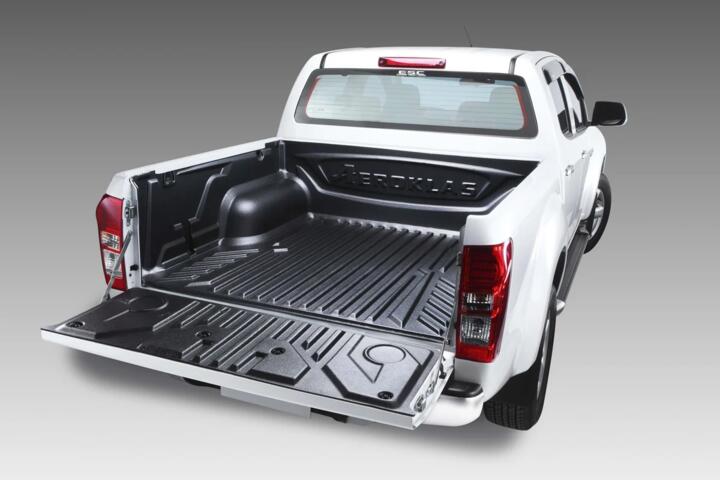
Bed Liners: What They Do
A truck bed liner is a protective layer inside the cargo box that reduces damage from impacts, dragging loads, and moisture. The liner’s job is not only cosmetic; it changes how the bed handles abrasion and corrosion over time. For example, a gravel run can grind paint off the floor and lower sidewalls, while a liner adds a tougher surface that resists that wear.
Most liners also affect how loads behave. A textured surface can improve traction for items like toolboxes or plywood sheets, while a smooth surface can make sliding easier. That difference matters when you haul equipment that you strap down and when you frequently move heavy items in and out.
Bed liners come in three common types: spray-on (often polyurethane), drop-in mats or shells, and roll-on coatings. Spray-on liners typically bond to the metal and fill small surface irregularities. Drop-in liners sit in the bed and rely on fit and fasteners or friction. Roll-on coatings behave more like a paint system, usually requiring surface prep and curing time.
Some liners also include additives aimed at UV resistance or chemical resistance. Real-world performance depends on the chemistry, thickness, and the quality of prep and installation, not just the marketing name on the label.
Main Problems And Pain Points
People often buy a liner to “stop rust,” then treat it like a permanent fix for a bed that already has corrosion. Rust can start under damaged paint or around seams, and a liner cannot reverse metal loss. If the bed has bubbling paint, flaking seams, or active rust, the correct starting point is repair and proper surface preparation before any coating goes down.
Another common misunderstanding involves thickness. A thicker liner can resist dents and abrasion better, but it can also change how the tailgate closes, how drain channels work, and how accessories mount. Some owners notice that certain drop-in liners interfere with bed rail caps or with the fit of tonneau covers, which can lead to water intrusion at the edges.
Installation quality drives outcomes for spray-on and roll-on products. Spray systems depend on surface cleanliness, temperature, humidity, and the operator’s technique. Roll-on coatings depend on correct mixing ratios and cure conditions; rushing cure time can leave a surface that scuffs easily.
Supporting technologies matter too. Adhesion relies on surface profile and chemistry compatibility. Drainage depends on whether the liner blocks factory weep holes or creates low spots that trap water. Even the truck’s existing undercoating can affect how well a coating bonds, and that interaction is rarely obvious until you remove a liner later.
Noise and heat are also frequent complaints. A liner can reduce rattles from loose items, but it can also transmit sound differently depending on the material and the bed’s resonance. Heat retention varies by color, thickness, and whether the liner is textured; owners sometimes report hotter bed surfaces in summer, which can affect gloves, plastic bins, and certain adhesives.
Solutions And Advice
Choose The Right Liner Type
Start by matching the liner type to your use pattern. Spray-on liners tend to work well for mixed hauling where you want coverage on the floor and sidewalls, plus a bonded feel. Drop-in liners fit faster for many owners, but they can leave gaps at edges if the bed geometry is unusual or if the liner is not the exact model fit. Roll-on coatings can be a middle path when you want a coating-like finish, but they demand careful prep and patience during cure.
If you haul corrosive materials, check the product’s chemical resistance notes and test with a small area first. Many liners handle water and road grime well, but resistance to oils, de-icers, and solvents varies by formulation. A mild aside: some owners discover that a “universal” cleaner they used on the bed before coating was not compatible, and the finish never bonded right.
For thickness expectations, look for manufacturer guidance and measured coverage rather than vague “heavy duty” claims. In practice, spray-on thickness is often discussed in mils or inches by installers, and the best references include a stated target thickness range and how it’s measured.
Inspect Prep, Fit, And Drainage
For spray-on and roll-on systems, surface prep is the difference between a liner that lasts and one that peels. Remove loose paint, rust scale, and contaminants, then follow the product’s specified cleaning and abrasion steps. Many systems require a particular surface profile; sanding too lightly can reduce adhesion, while aggressive grinding can leave sharp edges that promote coating failure.
For drop-in liners, verify fit around bed corners, wheel wells, and the tailgate latch area. Check whether the liner covers factory drain paths and whether it blocks the bed’s ability to shed water. A practical method is to run a controlled water test with a hose after installation and watch where water collects. I’ve seen liners that looked perfect dry but trapped water along a seam after a 10-minute rinse.
Also check accessory points. Bed rail caps, tie-down cleats, and bed-mounted sensors (on some trucks) can be affected by liner thickness or by fasteners that penetrate the bed. If your truck has a factory bed light or wiring harness routed along the side, confirm clearance before drilling or trimming.
Plan For Curing And Maintenance
After installation, curing time affects durability. Spray-on and roll-on products often reach handling strength before full chemical cure, and early heavy use can mar the surface. Follow the stated cure window in the product instructions; a common frustration is when owners wash the bed too soon and the surface stays tacky or picks up dirt.
Maintenance should match the liner type. Textured surfaces trap grit, so use a method that removes sand without gouging. Avoid harsh solvents unless the liner’s chemical resistance chart says they’re safe. For routine cleaning, mild soap and water usually work, but the key is rinsing thoroughly so residue does not build up in texture.
For scratches, keep expectations realistic. Small scuffs may be cosmetic, while deep gouges can expose the underlying bed. Some spray-on systems offer touch-up kits, but touch-up performance depends on surface prep and the ability to match texture.
Check Warranty And Installation Records
Warranty terms vary by brand and by installer. Some warranties require professional installation or documented prep steps, and coverage can exclude damage from improper cleaning chemicals or from impacts beyond the liner’s rating. Ask for the warranty document and the installation invoice that lists the product name and batch or lot number when available.
For spray-on liners, installers sometimes record environmental conditions and application thickness targets. If you’re comparing quotes, request those details rather than relying on “we do it all the time.” A small aside: one shop’s quote included a thickness target of 60–70 mils, while another quote listed only “thick coat,” and the difference showed up later when the finish wore unevenly.
Also confirm whether the warranty covers corrosion under the liner. Many warranties focus on the liner material itself, not the truck metal, and that distinction affects how you interpret rust protection claims.
Case Examples
DIY Drop-In With Water Trapping
A truck owner installed a drop-in liner during a weekend and noticed no issues during the first week. After a few heavy rains, they found dampness along the front corners near the bed’s seam, and the tailgate area showed early surface rust. The liner had fit well visually, but it blocked a factory drainage path and created a low spot where water pooled. The fix involved removing the liner, cleaning the seam, addressing early corrosion, and trimming the liner only where the manufacturer’s instructions allowed.
Spray-On After Rust Repair
A fleet manager replaced a worn liner on a work truck that had bubbling paint on the floor. The installer removed the compromised paint and rust scale, treated the metal, then applied the spray-on liner per the product’s prep steps. The truck later showed fewer scuffs from pallet jacks and fewer paint chips from dragging loads. The improvement came from correcting the underlying corrosion first; the liner alone did not stop rust that was already active.
Comparison Table And Checklist
Use this checklist to compare liner options without relying on vague claims.
| Option | Protection Pattern | Common Trade-Off | What To Verify |
|---|---|---|---|
| Spray-On | Floor and sidewalls with bonded coverage | Prep and application quality drive adhesion | Target thickness, cure time, warranty scope for corrosion |
| Drop-In | Mat or shell coverage with edge fit | Gaps can trap water or interfere with accessories | Exact model fit, drainage paths, tailgate and tie-down clearance |
| Roll-On | Coating-like layer over prepped surfaces | Cure and surface profile affect wear resistance | Mix ratio, recommended prep, cure schedule, touch-up plan |
Step-by-step checklist for buying and evaluating a liner:
- Inspect the bed for active rust, seam corrosion, and flaking paint; plan repairs before liner installation.
- Measure your bed’s key constraints: tie-down locations, bed rail caps, and any tonneau cover mounting points.
- Ask for product documentation that states thickness targets, cure time, and chemical resistance limits.
- Confirm warranty terms in writing, including whether corrosion under the liner is covered.
- After installation, run a water test and check for pooling along seams and around drain areas.
- During the first weeks, avoid dragging sharp objects across the surface until full cure is complete.
Common Mistakes
One frequent mistake is coating over contamination. Oil film, silicone residue from previous products, and road grime reduce adhesion and can cause peeling or soft spots. Another mistake is skipping seam attention; liners that cover the floor but ignore side seams can still leave corrosion starting points.
Owners also underestimate the effect on accessories. A liner that raises the bed floor can change how certain bed extenders sit, how tie-down anchors align, or how a tonneau cover seals. If you use a cargo management system, check compatibility before installation.
Cleaning mistakes show up later. Using aggressive solvents or abrasive pads can roughen the surface and accelerate wear, especially on textured finishes. Some owners also pressure-wash too aggressively right after installation; high pressure can drive water into seams before the liner fully cures.
Finally, people sometimes judge durability too early. A liner may look fine on day one but still be vulnerable during early cure. A mild frustration: the “ready to use” date on a receipt can differ from the product’s full cure schedule, and those differences matter when you haul heavy loads immediately.
FAQ
Do Bed Liners Prevent Rust
They reduce exposure to moisture and abrasion, but they do not reverse existing corrosion. If rust is active or seams are already compromised, repair and proper prep come first, then the liner reduces further damage.
Are Spray-On Liners Always Better
Spray-on liners often provide bonded coverage on the floor and sidewalls, but performance depends on surface prep, application thickness, and cure conditions. Drop-in liners can work well when fit and drainage are correct.
Will A Liner Affect Tie-Downs
It can. Thickness and texture can change how tie-down hardware sits, and some liners require trimming around anchor points. Check compatibility with your truck’s specific tie-down locations before installation.
How Long Until I Can Haul Heavy Loads
Follow the product’s stated cure schedule. Many liners reach handling strength sooner than full cure, and hauling heavy or dragging loads before full cure can increase scuffing or surface damage.
Can I Install A Bed Liner Over Existing Paint
Sometimes, but only when the existing surface is sound and compatible with the liner system. Flaking paint, rust scale, and contamination usually require removal; otherwise adhesion and long-term durability suffer.
Author's Insight
Bed liners are a materials-and-prep problem as much as a shopping decision. Spray-on and roll-on systems depend on adhesion to the substrate, so surface condition and cure conditions drive long-term wear. Drop-in liners depend on geometry and drainage, so fit checks and water testing matter. For decision support, I focus on documented thickness targets, cure time, warranty scope for corrosion, and compatibility with tie-downs and tonneau covers, because those details predict real outcomes better than generic “protection” claims.
Key Takeaways
- Bed liners reduce abrasion and moisture exposure, but they do not fix active rust without repair and prep.
- Choose liner type based on your hauling pattern and how you manage drainage and accessories.
- Verify thickness targets, cure time, warranty scope, and chemical resistance limits in writing.
- Test fit and drainage after installation, then avoid heavy dragging until full cure is complete.